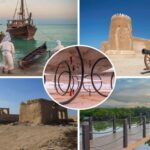
REVIEW · ZEKREET
Doha: West Coast Tour, Richard Serra Sculptures, RockDunes
Book on GetYourGuide →Operated by Arabian Tourismo · Bookable on GetYourGuide
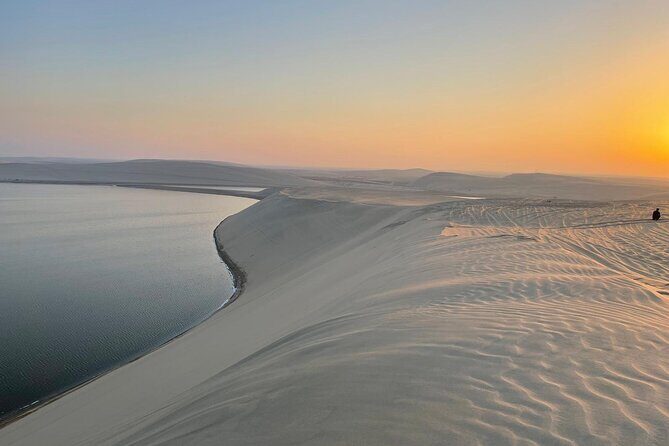
Desert art, then big sky. This Doha-side tour turns a regular afternoon drive into a mix of desert fort views and world-famous steel sculpture in the dunes. You get limestone formations, time around the famous umbrella-shaped rock, and a stop in the Brouq Nature Reserve where the desert itself feels like part of the artwork.
I especially liked two things: the way the Zekreet Fort sits high above the dunes with long sightlines, and the feeling that the guide actually makes the places click (you hear it in stories tied to guides like Saleem and Abdullah). One heads-up: there can be rare departure problems when there are no applicants, so if your schedule is tight, keep your plans flexible.
In This Review
- Key things you will notice on this tour
- From Doha to Zekreet Peninsula: you’re trading traffic for open space
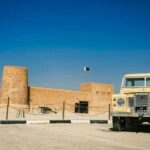
- Zekreet Fort: the best reason to go beyond the photo spots
- Brouq Nature Reserve and Richard Serra: steel plates in a land of distance
- The umbrella-shaped rock: the Qatar icon you’ll want to see twice
- Wildlife reserve time, limestone scenery, and the camel racing track stop
- Price and value: why $38 can be a smart use of a free afternoon
- What to bring and how to handle the desert heat
- Guides make the day: clear explanations and story-driven stops
- Who should book this West Coast tour from Doha?
- Should you book the Doha West Coast Tour with Richard Serra Sculptures?
- FAQ
- What is the price of the Doha West Coast Tour?
- What does the tour include?
- Are meals included?
- What should I wear and bring?
- Which languages are available on the tour?
- Is there a flexible payment or cancellation option?
Key things you will notice on this tour
- Zekreet Fort views: a real vantage point over dune country, not just a quick photo stop
- Richard Serra sculpture in Brouq Nature Reserve: four tall steel plates aligned to the land, set in a wide natural setting
- Umbrella-shaped rock: a classic Qatar photo subject with great angles in different light
- West Coast road time: you get the feel of Qatar’s west beyond the city, with limestone scenery and wildlife reserve stops
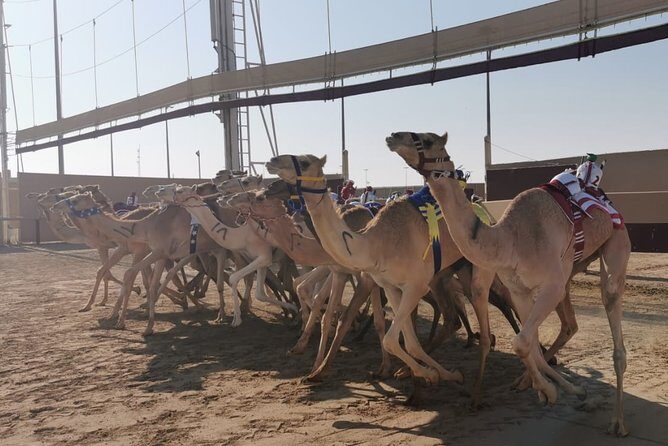
- Camel racing track: a fun, local-culture pause that breaks up the desert stops
From Doha to Zekreet Peninsula: you’re trading traffic for open space
Leaving Doha for the west coast is like switching from city rhythm to desert rhythm. The drive itself matters here because the scenery changes from developed areas to limestone country and open dune fields. You’re not just going to look at one thing. You’re going to move through a whole stretch of terrain.
This is the kind of outing that works well when you want a break from malls and museums but still want structure. You’ll have stops built around clear visual targets: fort, sculpture, rock formations, and reserve areas. And since the tour is guided in Arabic and English, you should have an easier time following what you’re seeing and why it’s there.
One practical tip: plan to be outside more than you expect. Even if you’re only walking short stretches, the light, wind, and heat can add up.
You can also read our reviews of more tours and experiences in Zekreet.
Zekreet Fort: the best reason to go beyond the photo spots
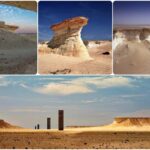
The Zekreet Fort stop is where the tour earns its keep. You’re not just looking at sand from street level. From the fort area, you get a higher viewpoint over the dunes and the feel of how exposed this part of Qatar is. It’s the sort of scene that makes you understand why forts and watchpoints mattered.
What I like about a fort stop in a desert environment is that it gives you scale. The land around you looks wide, flat, and relentless, and suddenly history feels less abstract. Even if you don’t know the background, you can read the setting: open lines of sight, harsh weather exposure, and the importance of vantage points.
Photo-wise, fort viewpoints are forgiving because you can shoot wide angles without needing long walks. If you’re coming with a camera, this is usually the place to pause, scan for the best angles, and then return later if the light shifts.
Brouq Nature Reserve and Richard Serra: steel plates in a land of distance
Then the tour shifts into modern art territory: the Richard Serra sculpture in the Brouq Nature Reserve. This isn’t a small installation you can casually pass by. It’s described as a work spanning over a kilometer, made up of four steel plates, each more than 14 meters tall. That scale is exactly why it works in the desert.
Here’s the key detail that makes this stop more interesting than it sounds: the artist examined the topography of the land to help ensure the plates are properly aligned. In practical terms, that means your brain starts doing something different. Instead of seeing a sculpture and then a background, you start noticing how the forms relate to the ground, the lines, and the space around them.
The result is modern, but it doesn’t feel trendy or gimmicky. In this kind of open setting, the sculpture reads as a landmark. You can take photos from different angles and still feel like you’re standing in the middle of a composed scene.
What might challenge some people: desert art stops can feel slow if you’re rushing or if you expect an indoor, guided gallery vibe. You’re out in the open. Wear the right clothes, take your time, and let the views do the talking.
The umbrella-shaped rock: the Qatar icon you’ll want to see twice
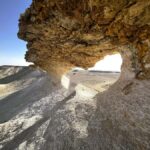
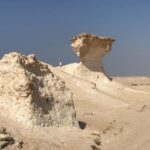
If you’ve ever seen Qatar desert photos online, there’s a good chance you’ve seen the umbrella-shaped rock. This tour includes a stop to see it up close, along with limestone formations that give you the context for why the area looks the way it does.
The umbrella-shaped rock is popular for one simple reason: it makes sense as a subject. The shape is bold. The contrast between the lighter top and the darker rock beneath creates strong silhouettes and edges, especially when the sun angle changes during your visit. Even without fancy gear, you’ll get photos that look intentional.
I also like that this stop isn’t just about one rock. You’ll have time around nearby limestone formations. That means you can experiment. Wide shots for the whole setting. Close shots to highlight texture and the way erosion has shaped the surface.
If you’re a photographer, come ready to change positions. The rock is photogenic from several directions, so you’ll get more variety than you might assume from a single quick glance.
Wildlife reserve time, limestone scenery, and the camel racing track stop
The tour includes exploration in the wildlife reserve areas near the Zekreet Peninsula. That’s valuable because it reminds you this isn’t just desert-as-a-backdrop. There’s a living system out there, and your job is to be a respectful visitor.
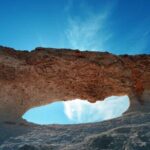
You’ll also spend time seeing limestone rocks and the broader west-coast scenery, which gives the outing a sense of “place.” In a country where Doha can feel concentrated, this is how you experience Qatar as space and material: limestone, dunes, wind, and sky.
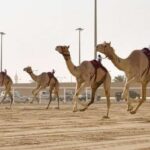
Then there’s a fun curveball included in the tour: a visit to the camel racing track. You may not get a long cultural lecture here, but the stop helps connect the landscape you’re seeing with local tradition. It’s the kind of pause that breaks up the quiet feel of the dunes.
One practical note: wildlife reserve areas are best enjoyed slowly. Keep your eyes open, avoid stepping where you shouldn’t, and don’t expect guarantees. Sometimes you’ll spot movement, sometimes you won’t. That’s part of being out in nature.

Price and value: why $38 can be a smart use of a free afternoon
At $38 per person, this tour lands in a value-friendly range for what you get: guided stops across multiple highlights, including the Richard Serra sculpture site and the famous umbrella-shaped rock. You’re paying for logistics and interpretation, not just transport.
Here’s the real value angle: the most expensive part of experiences like this is time. You’re taking an afternoon and turning it into several major visual targets that would be harder to string together on your own. The guide also helps you make sense of what you’re looking at, especially at the art stop where the “why” matters.
What to watch: meals are not included. Plan to eat before you go or after you return, and bring water for the day. Desert tours can feel shorter than they are, and then the heat catches up.
For most visitors, the best value comes if you:
- want more than one highlight (not just one rock and done)
- like photography and wide views
- are curious about modern art placed in a natural setting
If you’re the type who hates guided time and prefers to wander independently, you might find this structured pace less satisfying.
What to bring and how to handle the desert heat
Even though the stops are spaced out, you’ll still be outside. The tour guidance is clear on what helps: wear comfortable walking shoes and weather-appropriate clothing. Bring water, especially on hot days, and keep hydration front and center.
For photography, bring your camera. This kind of scenery rewards people who are ready for changing light. If you shoot during late afternoon, you may get richer shadows around the rock formations and stronger contrast on the steel plates.
Also consider how you’ll handle wind. The desert is dramatic, and that usually means it can be dusty. Sunglasses help. A light layer can help if the breeze picks up.
And a small mindset adjustment helps too: don’t treat the day as a checklist. Treat it as a sequence of viewpoints. When you slow down, you’ll get better photos and better memories.
Guides make the day: clear explanations and story-driven stops
A big part of why this tour is rated so well is the guide experience. Reviews point to guides like Saleem, Abdullah, Yasir, Mohammad, and Mr Akhter, and the common theme is that they keep things engaging and explain what you’re seeing in a way that feels easy to follow.
That matters on two stops in particular. First, at Zekreet Fort, where the setting is visually obvious but the meaning might not be. Second, at the Richard Serra sculpture, where the details about alignment and the way the plates relate to the land are exactly what makes the visit click.
You don’t need a background in art to enjoy it. But you will enjoy it more when someone helps you notice how the sculpture is positioned and how the space around it shapes what you see.
If you get a guide who talks with clarity and flexibility, the tour feels like a thoughtful road trip, not a rushed bus ride.
Who should book this West Coast tour from Doha?
This is a strong match if you want a desert day that still feels curated. It’s especially good for:
- first-time visitors who want to see more of Qatar than Doha city life
- photography lovers who care about iconic rocks and big-scale art
- people who enjoy a mix of history (Zekreet Fort) and modern installations (Richard Serra)
It’s also a good fit if you like guided structure but still want freedom at key stops to take photos and explore at your own pace.
If you’re the kind of traveler who dislikes walking at all, keep in mind that the day includes outdoor exploring and reserve areas. Short walks are involved, so comfortable shoes matter.
Should you book the Doha West Coast Tour with Richard Serra Sculptures?
I think you should book it if you want a meaningful afternoon that hits major highlights: Zekreet Fort, the Richard Serra sculpture experience in Brouq Nature Reserve, and the umbrella-shaped rock. The price is reasonable for a guided day with multiple destination stops, and the best version of this tour is the one where the guide helps you understand what you’re looking at.
Just don’t ignore the desert basics. Bring water, wear solid footwear, and plan to be outside. Also, if your schedule is extremely tight, note that there’s at least one real-world example of a cancellation when there were no applicants, so keep your plans flexible.
If you’re ready for open space, iconic shapes, and modern art in a huge natural setting, this is a tour that fits your time well.
FAQ
What is the price of the Doha West Coast Tour?
The price is $38 per person.
What does the tour include?
It includes a guided tour of Zekreet and the Zekreet Peninsula, visits to the umbrella-shaped rock and limestone formations, wildlife reserve exploration, the Richard Serra sculpture stop, and a visit to the camel racing track.
Are meals included?
No. Meals are not included, and personal expenses are also not included.
What should I wear and bring?
Wear comfortable walking shoes and weather-appropriate clothing. Bring water, especially on hot days, and bring a camera if you want to capture the scenery and sculpture.
Which languages are available on the tour?
The tour is available in Arabic and English.
Is there a flexible payment or cancellation option?
Yes. You can reserve and pay later (book your spot and pay nothing today). Cancellation is possible up to 24 hours in advance for a full refund.