REVIEW · DOHA
Walking Tour: Discover Souq Waqif, An Almost Free Walking Tour
Book on Viator →Operated by Shalowzan Trading · Bookable on Viator
Souq Waqif tells Doha’s story fast. This walk pairs traditional Souq lanes with a stop at the animal pens, plus a guide who explains what you’re seeing as you go. I like that it feels hands-on from the first minutes, not like a lecture taped to a group photo, and it’s built for your first day in town.
I also like the way the route connects old-school market life to Msheireb Downtown Doha and its public art and planning choices. One consideration: this is a good-weather activity, so you’ll want to plan around heat or rain if your dates are flexible.
In This Review
- Key highlights worth knowing before you go
- Why Souq Waqif makes a perfect first-doha walking tour
- Meeting at the Doha Bus stop and how the 2-hour flow works
- Souq Waqif: spice lanes, falcon market sights, and souvenir shopping
- The spice market stop
- The falcon market area
- Falcon + souvenir lanes: how to browse without getting lost
- The horse and camel pen: up close without the museum vibe
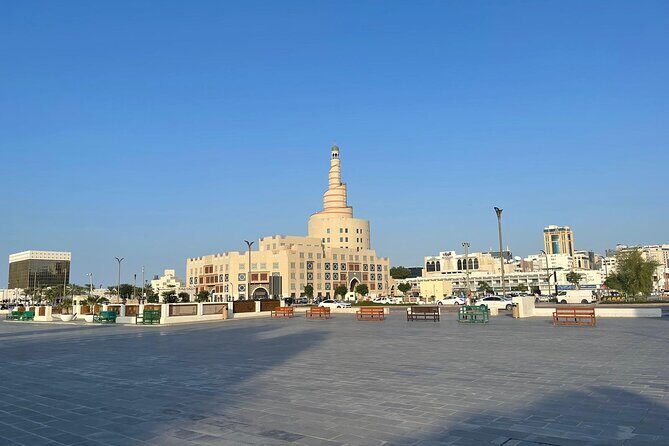
- Traditional Qatari architecture: what to watch for as you walk
- Msheireb Downtown Doha: the shift from souq lanes to modern planning
- The guides make it worth your time: Hussain and Hassan energy
- Price and value: how free still adds up to real quality
- What to bring (and what to skip) so the walk stays pleasant
- Who this Souq Waqif walk fits best
- Should you book this almost-free Souq Waqif walking tour?
- FAQ
- How much does the Souq Waqif walking tour cost?
- How long is the tour?
- Where does the tour start?
- Is the ticket digital or paper?
- What’s included and what’s not included?
- How big is the group?
- What happens if the weather is bad?
- What’s the cancellation window?
Key highlights worth knowing before you go
- Free price with bottled water included, so your cash goes to souvenirs and food you choose
- Souq Waqif market stops that focus on what people actually buy and talk about
- Falcon market area where you’ll see Arab hunting hawks up close
- Spice market + souvenir lanes that make it easy to understand everyday Qatar
- Horse and camel pen time to see Arabian horses and camels without rushing past
- Msheireb Downtown Doha stretch for contrast: modern streets, public art, and design
Why Souq Waqif makes a perfect first-doha walking tour
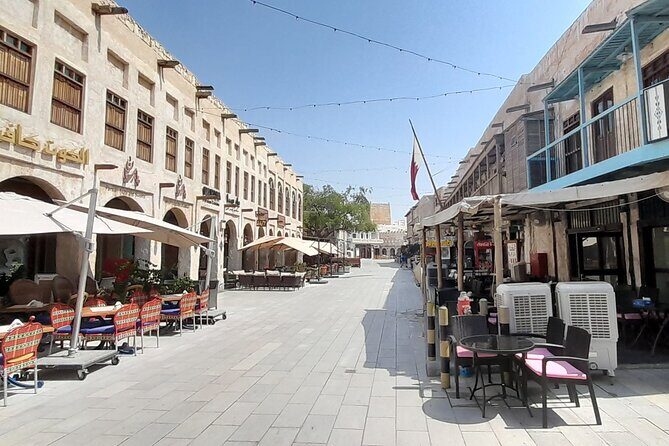
If Doha is new to you, Souq Waqif is the fast track to the city’s everyday texture. You get tight lanes, traditional Qatari architecture, and a market layout that makes you slow down naturally. It’s the kind of place where you can read the culture without needing a museum ticket.
This particular walk is interesting because it doesn’t treat the souq like a backdrop. You’re guided through the places that matter in the market: the stalls you’d notice even on your own, plus the spots that help explain what’s going on. And then it deliberately pivots from the souq to the newer Msheireb area, so you finish the walk with a clearer sense of how Doha builds today while keeping the older style visible.
You can also read our reviews of more walking tours in Doha


Meeting at the Doha Bus stop and how the 2-hour flow works
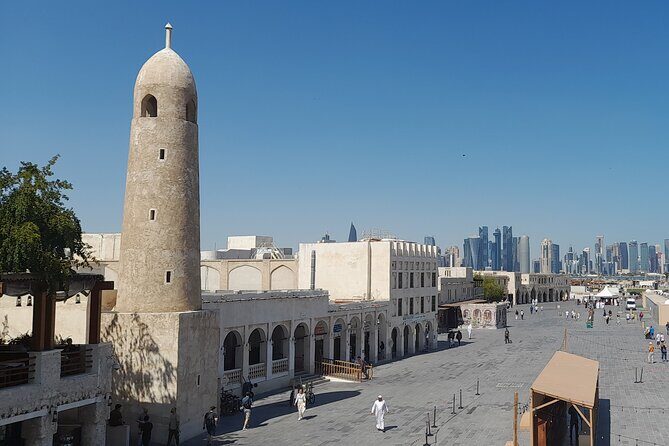
The tour starts at Doha Bus (Souq Waqif Tickets Office), marked at 7GQM+6MR. It ends back at the same point, which is a big help when you’re trying to build the rest of your day.
Plan for about 2 hours of walking at a normal pace. This isn’t described as strenuous, and most people can join. Still, it’s a walking tour: wear shoes that can handle uneven ground and lots of turning corners. You’ll also be on your feet when you pause for explanations and when the group gathers near the animal areas.
Because the ticket is on your phone (mobile ticket), you won’t need to hunt down paper passes. Just have the booking confirmation ready on your device.
Souq Waqif: spice lanes, falcon market sights, and souvenir shopping
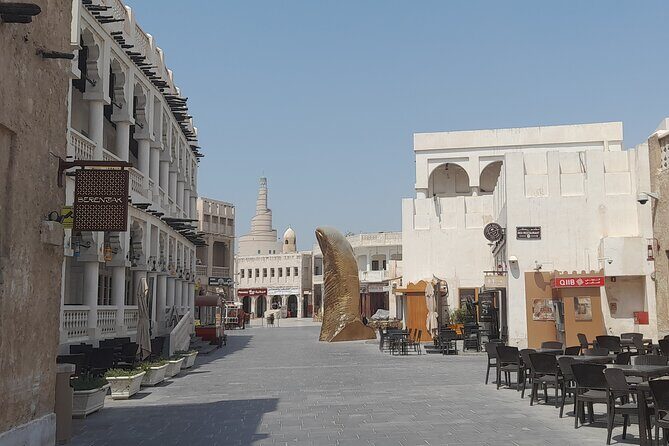
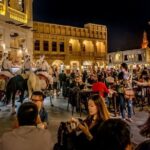
Souq Waqif is where the tour begins, and it’s the most time you’ll spend in one place. Expect a guided stroll through key market zones where you can pick out smells, sounds, and product types quickly. The focus here is on understanding the layout and the meaning behind the busy stall life.
The spice market stop
The spice market is one of those straightforward wins: you don’t need special language skills to notice the difference between herbs, blends, and whole spices. Your guide helps you connect the aromas to what people buy and use, so it feels practical, not just photo time.
If you’re thinking you might skip shopping, don’t. Even if you only browse, you’ll learn a lot about what’s commonly traded and how sellers describe their goods.
The falcon market area
Another standout is the falcon market portion. You’ll get close enough to see Arab hunting hawks referenced during the walk. The guide also connects what you’re looking at to Qatar’s cultural context, which is the difference between seeing animals and actually understanding why they’re part of the market world.
Tip: if you’re the kind of person who gets nervous around animals, keep a little buffer space. Stand where the group can see, and let the guide manage the flow.






Falcon + souvenir lanes: how to browse without getting lost
Souq Waqif can be easy to wander through on your own, but you’ll miss the “what matters here” clues. During the walk, you’ll pass through souvenir shops, and the explanations turn random browsing into targeted looking.
If you want a simple souvenir strategy, I’d do it this way: wait until the walk identifies what’s special, then choose one or two items from the right categories. Otherwise, it’s easy to end up with clutter and nothing you truly wanted.
The horse and camel pen: up close without the museum vibe
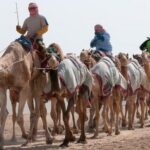
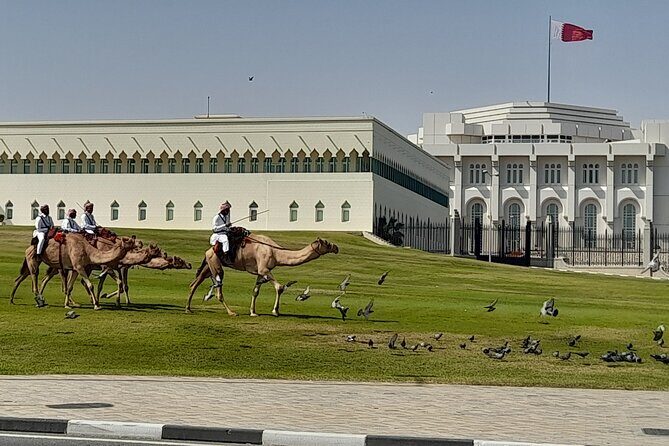
One of the strongest reasons people love this tour is that it goes beyond stalls and takes you to the horse and camel pen area. You’ll see camels and Arabian horses described during the walk, and the group pauses long enough to really notice the animals and how caretakers and market life interact.
This is a major value point because animal encounters can easily feel staged or rushed on some tours. Here, the route is organized around the market logic first, then the animal section, so it feels like part of the same local routine rather than an add-on.
A practical note: keep your phone secure and your hands free. You’ll likely want photos, but don’t let that slow you down at the animal viewing points. Follow the guide’s cues on where to stand and when to move.
Traditional Qatari architecture: what to watch for as you walk
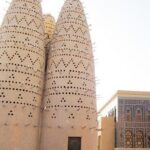
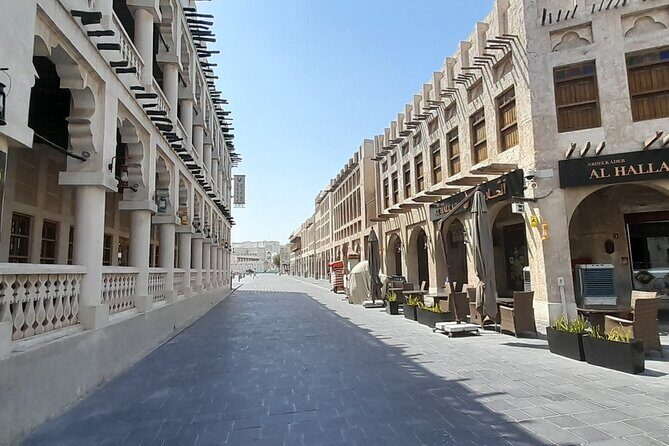
You don’t need a design degree to enjoy the architecture here. Souq Waqif is described as featuring traditional Qatari design, and you’ll see it in the way the market spaces feel enclosed, shaped, and functional.
As you walk, I’d focus on three simple things:
- How lanes guide foot traffic like a maze, so you naturally explore
- How the buildings create shade and enclosure as you move between sections
- How market fronts still look connected to the daily work of the souq, not like theme-styled storefronts
This tour helps because your guide points out what to notice rather than leaving you to guess. It’s one of the reasons people rate it so highly as an intro to Doha.
Msheireb Downtown Doha: the shift from souq lanes to modern planning
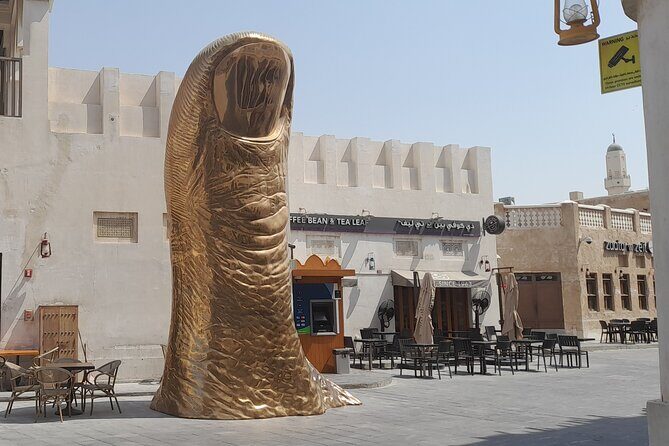
After the Souq Waqif portion, the tour continues into Msheireb Downtown Doha, where the vibe changes. The guide leads you through an area with public art installations and newer urban design choices, and the contrast is the point.
Why this part matters: Doha is not only old market streets or only shiny new developments. Msheireb helps you see how the city blends. You’ll notice that streets, public spaces, and design details are handled with intention. Even if you don’t know the terminology, you’ll feel it in how the walk flows, where people gather, and how the space is made for strolling.
This section is also a nice break from shopping intensity. You’re still outdoors, still walking, but the focus becomes observation.
The guides make it worth your time: Hussain and Hassan energy
The biggest praise in the feedback centers on the guide. Names like Hussain and Hassan show up, and the consistent theme is that they act more like a host than a script reader. You’ll get explanations that connect the market pieces to wider context, including historical references and practical local tips.
What that means for you: you don’t just walk from point A to point B. You learn how to interpret what you’re seeing so you can keep exploring after the tour ends. That’s especially helpful if Souq Waqif is your first stop in Doha, or if you want to avoid the common mistake of treating the souq like a generic tourist bazaar.
If you want the most from the guide, ask one smart question early, then one follow-up as you move. For example: which stall areas are worth a closer look for you based on what you like (spices, souvenirs, animal-related sights). That keeps the walk tailored to your interests.
Price and value: how free still adds up to real quality
This tour is listed at $0.00, and that alone is hard to ignore. But the better value story is what’s included: bottled water. Food isn’t included, and tips aren’t included either, which is normal.
So how does a free tour avoid feeling like a gimmick? In this case, it doesn’t try to sell you a bunch of extras. It gives you structured time in the right places, with a guide who genuinely communicates. You’re paying with nothing upfront, then spending time and attention. If your goal is to get your bearings in Doha and understand what Souq Waqif is about, that can be a bargain even when you compare it to paid walking tours elsewhere.
One more value angle: the group size is small, with a maximum of 15 people. Smaller groups usually mean easier questions and less waiting around.
What to bring (and what to skip) so the walk stays pleasant
Here’s how I’d pack for this kind of tour in Doha style:
- Comfortable walking shoes
- A hat and water
- Your phone charged for the mobile ticket
- Cash or a card if you want to buy spices or souvenirs later
Since food products aren’t included, you’ll need to plan your own meals. The walk may steer you toward places to eat or things to try, but you should assume you’ll be buying your own food.
Also think about weather. The experience notes it needs good weather. If your itinerary is tight, check conditions and be ready to adjust.
Who this Souq Waqif walk fits best
This is a strong match if:
- It’s your first day in Doha and you want a practical introduction fast
- You like markets, not just viewpoints
- You’re interested in local sights like the spice market and falcon market areas
- You want an animal-spotting stop without a stressful schedule
- You prefer a smaller group setting
It may be less ideal if you dislike walking around in crowded market areas or you have limited mobility. The tour says most people can participate, but you still need to be comfortable moving for about two hours.
Should you book this almost-free Souq Waqif walking tour?
If you’re deciding between doing Souq Waqif alone and taking a guided walk, I’d book this one—especially because it’s free and because it adds two things that can be hard to “figure out” on your own: the animal pen time and the structured shift into Msheireb Downtown.
My deciding checklist:
- You want context, not just wandering.
- You like markets and want your first Doha day to feel organized.
- You’re okay walking for about two hours.
- You can go on a day with good weather.
If those boxes work for you, go ahead and reserve it. You’ll come away with better sense of what to look for next time you’re in the area.
FAQ
How much does the Souq Waqif walking tour cost?
It’s listed at $0.00. The tour includes bottled water, and tips are not included.
How long is the tour?
The duration is about 2 hours.
Where does the tour start?
The meeting point is Doha Bus (Souq Waqif Tickets Office), at 7GQM+6MR in Doha, Qatar.
Is the ticket digital or paper?
You’ll use a mobile ticket.
What’s included and what’s not included?
Included: bottled water. Not included: food products and tips.
How big is the group?
The tour has a maximum of 15 travelers.
What happens if the weather is bad?
The experience requires good weather. If it’s canceled due to poor weather, you’ll be offered a different date or a full refund.
What’s the cancellation window?
You can cancel up to 24 hours in advance for a full refund. If you cancel less than 24 hours before the start time, the amount paid is not refunded.
You Might Also Enjoy



More Walking Tours in Doha

More Tours in Doha



More Tour Reviews in Doha
- Qatar Gold Dune Safari, Dune Bashing,Camel Ride,Sand Boarding,Inland Sea Desert
★ 5.0 · 2,807 reviews