REVIEW · DOHA
From Doha: North of Qatar Guided Tour with Transfers
Book on GetYourGuide →Operated by Arabian Tourism · Bookable on GetYourGuide
North Qatar feels like another country. This guided loop north from Doha turns a simple drive into a UNESCO-anchored history stop plus real time outdoors—harbor views at Al Khor, mangrove calm on Purple Island, and old village atmosphere at Jumail.
I love the mix of coastal heritage and nature walking. One minute you’re looking at fort walls tied to Qatar’s archaeological past, and the next you’re strolling mangroves and photographing a landscape locals use for daily life.
Only catch: you’ll trade some slow pacing for getting in multiple stops, and the day can feel warm under the sun. Also, museum fees at Al Zubara Fort aren’t included, so budget a little extra if you want to go inside fully.
In This Review
- Key points to know before you go
- A North Qatar Reset From Doha
- Al Khor Harbor and the Calm Coast Contrast
- Purple Island (Jazirat bin Ghanim): Mangroves + an Archaeology Twist
- Al Zubara Fort: Qatar’s First UNESCO Site (and the Museum Choice)
- Jumail Abandoned Village: The Feeling of an Old Settlement
- Al Dhakhira Stop: Fisher and Pearl Hunter Traditions at Water Level
- Timing, Comfort, and What This 4-Hour Format Really Means
- Price and Value: Is $40 for North Qatar Fair?
- Who This Tour Fits Best
- Should You Book This North Qatar Tour?
- FAQ
- What’s the duration of the North Qatar tour from Doha?
- Is hotel pickup and drop-off included?
- What’s included in the price?
- Are museum entry fees included for Al Zubara Fort?
- Is the tour guide language English?
- Are pets allowed and is smoking permitted in the vehicle?
Key points to know before you go
- Door-to-door transfers make this easy if you don’t want to self-drive north
- Al Zubara Fort is a major UNESCO site and the tour includes a guided visit plus free time
- Purple Island (Jazirat bin Ghanim) is known for mangroves and a rare archaeological story tied to the second millennium BC
- Jumail abandoned village gives you a quiet, time-worn feel that’s different from Doha
- Guides like Rehan, Hassan, Adil, and Abood often make the road and stops feel story-connected, not rushed
A North Qatar Reset From Doha
This tour is basically a “change your scenery” plan with structure. You leave Doha and head north in an air-conditioned vehicle, with enough stops to feel like you saw real Qatar beyond malls and office towers.
What I like most is that the route doesn’t just throw famous names at you. You’re shown how coastal Qatar worked: trading, fishing, pearling-era livelihoods, and the forts and settlements that guarded them. And you do it with a live English guide who keeps the facts tied to what you can see right now.
You can also read our reviews of more guided tours in Doha

Al Khor Harbor and the Calm Coast Contrast
Your first meaningful stop north is Al Khor, a coastal city known for its harbor and relaxed beachfront feel. You’ll get time for photos and sightseeing at an easy pace, without pressure to sprint through.
Here’s what this stop does for you: it sets the scene for everything else. Al Khor helps you understand why North Qatar mattered—shipping routes, local work by the water, and a shoreline rhythm that still exists even if Doha feels faster and newer.
Practical note: wear comfortable shoes and bring sunscreen. Even when you’re only out for a short stretch, the sun on the coast can feel stronger than you expect.
Purple Island (Jazirat bin Ghanim): Mangroves + an Archaeology Twist
Purple Island is the “slow down” part of the day, and it’s one of the most memorable. You’ll have time for a guided visit and a walk through the mangrove landscape, with photo stops along the way.
Two things matter here. First, the mangroves are a real nature break from the fort-and-stone side of the tour. Second, Purple Island isn’t just pretty vegetation—it’s also tied to an archaeological site associated with the second millennium BC. That mix of nature and deep time makes the island feel more than a scenic detour.
If you’re someone who likes animals and plant life (even if you don’t have a biology degree), this stop is worth your focus. One of the most common guide moves on Purple Island is pointing out what you can notice right then—tree forms, the water edge, and the way the mangroves shape the shoreline.
Al Zubara Fort: Qatar’s First UNESCO Site (and the Museum Choice)
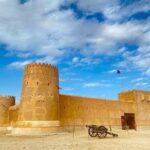
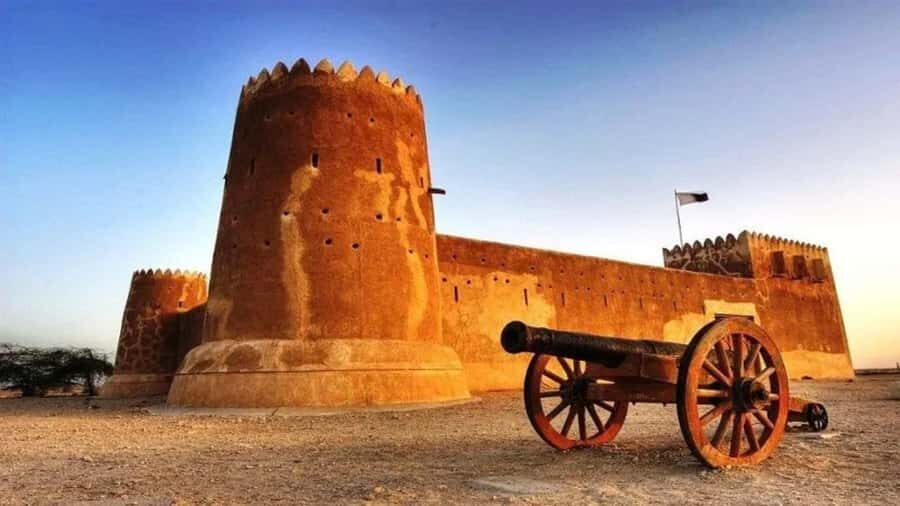
Then you hit the big one: Al Zubara Fort, widely recognized as Qatar’s first UNESCO site. You’ll get a guided visit, photo time, and some free time to explore at your own speed.
Think of this fortress as Qatar’s story told in stone and layout. The site includes the fort area turned into a museum-style setting, which makes it easier to understand what you’re seeing instead of just reading plaques. And the tour includes a “skip the line” style setup with a separate entrance, so you spend less time waiting and more time walking.
What I’d watch for: the difference between simply looking at walls and understanding the strategic point of the fort. A good guide (and many guides here have earned repeat praise, like Rehan, Hassan, and Adil) will connect the fort’s purpose to the trading and pearling economy of the region.
Also, remember: museum fees aren’t included. If you care about the inside exhibits, you’ll want to budget for that extra step.
Jumail Abandoned Village: The Feeling of an Old Settlement
Next comes Jumail, an abandoned village once inhabited by the Alkubaisi tribe. This stop is shorter, but it lands differently than the fort.
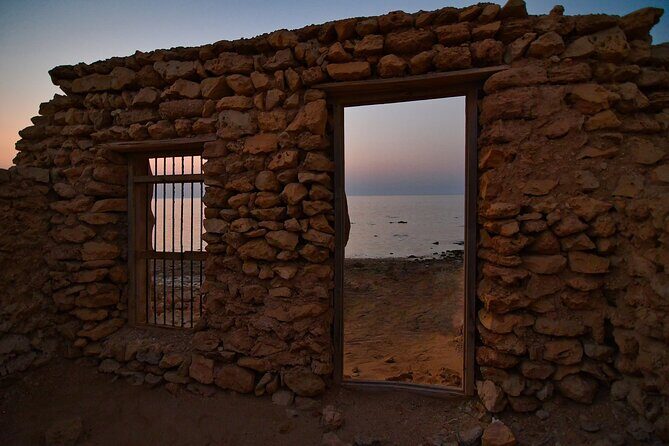
Instead of big structures, you’re absorbing the texture of a place that feels left behind. Even if you only have about half an hour, the atmosphere does the work. You’ll walk and take photos, with a guided explanation that helps you understand what you’re looking at and why it matters.
One useful way to think about Jumail: it’s your “human scale” contrast to UNESCO stonework. Forts explain defense and power. Jumail shows everyday life that moved with the sea—then faded, leaving patterns for you to notice.
If the light is right, you may catch dramatic shadow effects over the water and ruins. I’d plan to spend a few extra minutes near viewpoints rather than rushing for the perfect photo and then leaving.




Al Dhakhira Stop: Fisher and Pearl Hunter Traditions at Water Level
Between the island and the fort area, the tour also includes a stop at al Dhakhira, described as a former fisherman and pearl hunter village. The focus is practical: you’ll see cargo and fishing dhow boats.
This is valuable because it brings the story back down to the waterline. Forts and islands are part of the puzzle, but Dhakhira helps you picture how people actually worked: boats, trading movement, and daily labor tied to the coast.
If you like photography, this is often where your camera gets real use. Boats give you depth, motion, and strong shapes against the sky and sea.
Timing, Comfort, and What This 4-Hour Format Really Means
On paper, this is a 4-hour experience with hotel pickup and drop-off from Doha. In practice, the day feels like a “tight best-of” tour: enough time at each stop to see the main points, but still packed with driving between locations.
Why that matters: if you’re someone who hates being rushed, you’ll want to treat the short stops as previews. The tour is designed to keep you moving through distinct settings—harbor, island mangroves, UNESCO fort, abandoned village—rather than letting you linger all day.
Comfort is a real plus here. The vehicle is air-conditioned, and tea and water are included. Some people also mention extra nice touches in the car experience—like cold drinks on hand—so you can expect it to feel more comfortable than a barebones “transport-only” day.
What to pack (simple and effective):
- Sun protection: hat, sunscreen, sunglasses
- Light layers: mornings and coastal wind can make the temperature swing
- Comfortable walking shoes: you’ll do short walks at multiple stops
- A camera strap: you’ll be taking photos more than you think
Price and Value: Is $40 for North Qatar Fair?
At about $40 per person for a 4-hour guided outing with transfers, you’re paying for three things: transportation, a live English guide, and a curated route across several major sights.
If you tried to do this yourself, you’d still spend on driving time, petrol or rentals, and figuring out where to park and how to structure the day. The guide cost alone would likely be more than $40 in many cases, and the value gets even better if you want the historical context tied to what you’re seeing.
Two small “value cautions”:
- Museum fees at Al Zubara Fort aren’t included, so your total may rise if you want the full museum experience
- The tour is compact, so you won’t get all-day lingering at any single stop
But overall, for first-time North Qatar exploration from Doha, this price feels fair—especially if you like getting context fast without turning the day into logistics homework.
Who This Tour Fits Best
This tour is ideal if you:
- Want an easy way to see North Qatar without renting a car
- Like a mix of culture/history and nature walks
- Prefer guided storytelling that makes places easier to understand on the spot
- Are short on time but want more than one or two stops
It’s also a good fit for couples and solo visitors who want structure. And if you’re bringing family, you’ll just want to keep expectations realistic about the walking involved and the heat.
Should You Book This North Qatar Tour?
If your goal is a fast, high-impact look at North Qatar, I’d book it. You get a clean mix: Al Khor’s harbor calm, Purple Island’s mangrove atmosphere plus archaeology context, UNESCO-level Al Zubara Fort, and Jumail’s abandoned village mood. Add in door-to-door transfers and a live English guide, and the whole thing stays low-stress.
I’d skip it only if you want a slow, unhurried day with deep museum time at one site. This is a “see a lot, learn why it matters” format.
FAQ
What’s the duration of the North Qatar tour from Doha?
The tour lasts about 4 hours.
Is hotel pickup and drop-off included?
Yes. Pickup and drop-off are included from hotels or the airport.
What’s included in the price?
The tour includes transportation in an air-conditioned vehicle, a live English guide, and water and tea. Museum fees are not included.
Are museum entry fees included for Al Zubara Fort?
No. Museum fees are not included.
Is the tour guide language English?
Yes, the live tour guide speaks English.
Are pets allowed and is smoking permitted in the vehicle?
Pets are not allowed, and smoking in the vehicle is not allowed.
You Might Also Enjoy

More Guided Tours in Doha




More Tours in Doha



More Tour Reviews in Doha
- Qatar Gold Dune Safari, Dune Bashing,Camel Ride,Sand Boarding,Inland Sea Desert
★ 5.0 · 2,807 reviews