REVIEW · AL KHOR
Explore Qatar’s Past: North & West Full-Day Heritage Tour
Book on GetYourGuide →Operated by Doha Tourism · Bookable on GetYourGuide
Fortified history and desert art in one day.
This North & West Qatar heritage tour strings together Al Khor’s old pearl-fishing harbor, UNESCO Zubarah Fort, and the Zekreet Peninsula wildlife area into a single, well-paced circuit from Doha.
Two things I really like: you get a proper guided stop at Zubarah Fort (with tea and time to walk around), and you also build in open time for photos and exploring at the rock-and-desert sites—especially Zekreet and the Richard Serra Desert sculpture area.
One drawback to plan for: the day includes walking and off-road style driving with free-time breaks, so it’s not the best fit if you need a fully flat, low-step, slow-moving itinerary.
In This Review
- Quick hits on this North & West Qatar day trip
- Starting in Al Khor: Qatar’s pearl-fishing roots
- Al Thakira mangroves: a quiet break from the drive
- Zubarah Fort: UNESCO and the feeling of the old Gulf
- Traditional Qatari village details you can actually see
- Al Shamal viewpoints: clear-day drama toward Bahrain
- West Coast time: 18th-century charm in your hands
- Zekreet Fort and the umbrella-shaped rock photo stop
- Shahaniyah Camel Race Track: a cultural side trip
- Zekreet Peninsula: limestone formations and wildlife reserve time
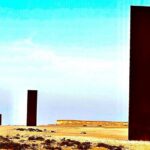
- Richard Serra Desert: big sculptures in an open setting
- The flow of the day: why timing matters on an 8-hour loop
- Price and value: is $63 per person a fair deal?
- Who this tour suits best (and who should choose another plan)
- What to wear and what to bring for a comfortable day
- Should you book this North & West Heritage Tour?
- FAQ
- How long is the North & West Heritage Tour?
- Where is pickup located?
- Is pickup available from hotels and the airport?
- What’s included in the tour price?
- Are meals included?
- Do I need to bring identification?
- Is this tour wheelchair-friendly or suitable for mobility impairments?
- What are the rules for clothing and what can’t I bring?
- What’s the cancellation policy?
Quick hits on this North & West Qatar day trip
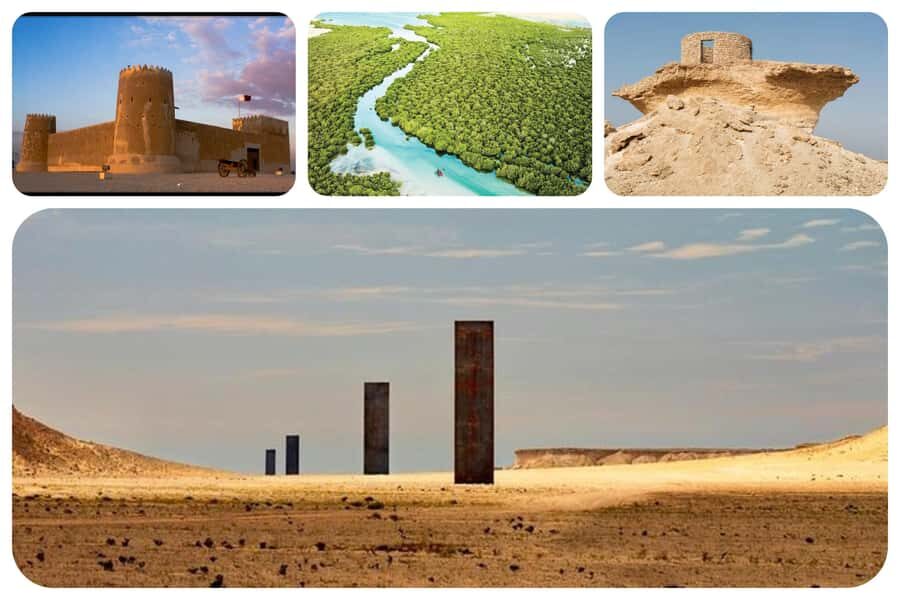
- Zubarah Fort (UNESCO): a guided visit plus time to take in the archaeological feel of old Gulf life.
- Al Thakira mangroves: a calm detour that slows the whole day down.
- Zekreet Peninsula wildlife reserve: limestone formations plus time to wander and watch what you can see.
- Zekreet Fort and the umbrella-shaped rock: a classic photo stop with dramatic rock shapes.
- Richard Serra Desert: large-scale sculptures set into the sand and rock.
- English-speaking guides, often with strong storytelling: guides like Abdullah, Adil, and Tariq are repeatedly praised for making stops click.
Starting in Al Khor: Qatar’s pearl-fishing roots
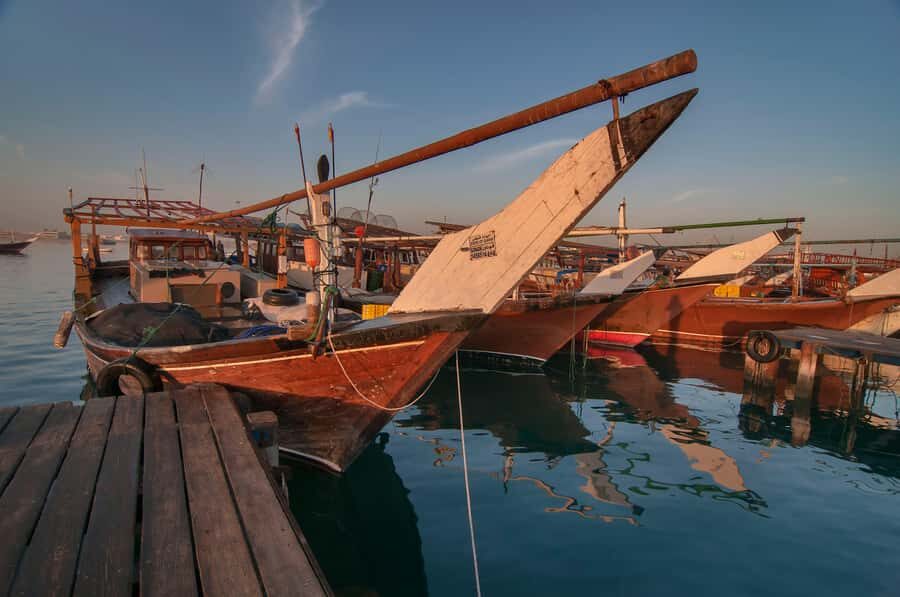
Your day begins with pickup from Doha in an air-conditioned vehicle, then you head north. The first real emotional switch happens at Al Khor’s harbor, where you’ll get scenic views and time for a walk. This is a place tied to Qatar’s pearl diving and fishing past, and even if you’re short on context, you can feel why people built their lives around the water here.
If you like learning from a guide while you’re still fresh (before the heat and the hours stack up), this opening stop is a good setup. It’s quick, but it gives your brain something to hold onto as the day moves from coast to desert.
You can also read our reviews of more historical tours in Al Khor
Al Thakira mangroves: a quiet break from the drive
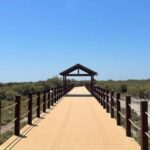
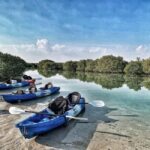
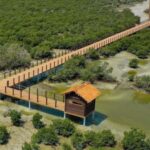
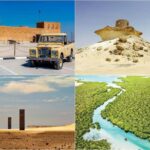
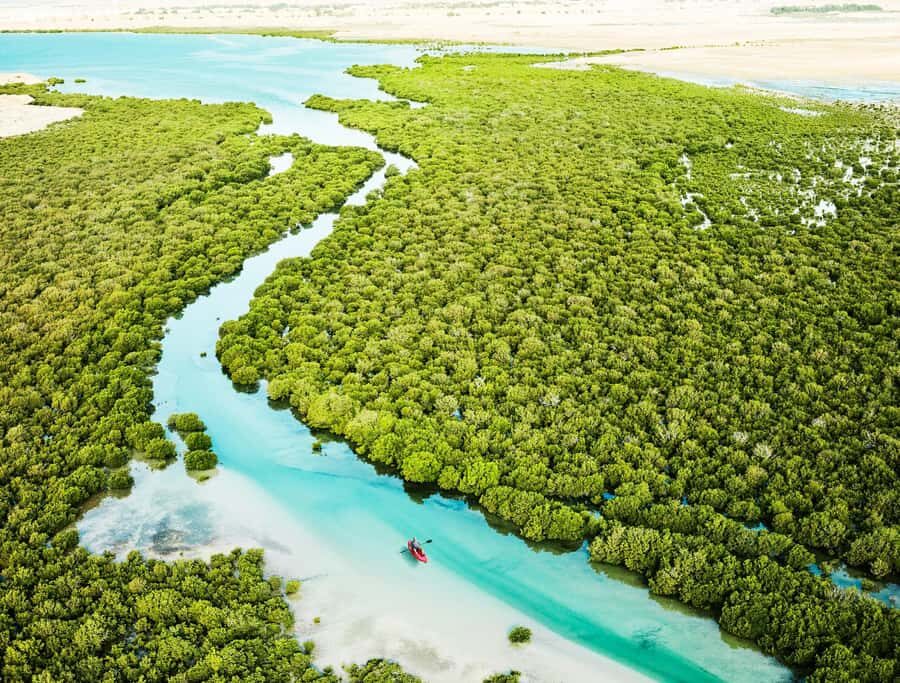
From there, you pass through Al Thakira, and the tour slows down for mangrove forests—a very different look from the flat coastal stretches and desert roads. The vibe is calmer, and the photos are easier because you’re not chasing the sun across dunes.
This stop is also one of the most practical parts of the day. A short walk and a scenic stretch of time helps you reset before the heritage-heavy visits to archaeological and fort sites later on.
Zubarah Fort: UNESCO and the feeling of the old Gulf
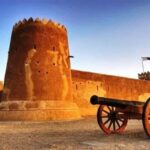
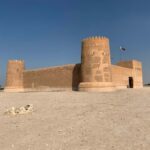
Then you hit the headline: Al Zubarah Fort, Qatar’s first UNESCO World Heritage Site. This is the stop where you’ll appreciate having an English-speaking guide, because the fort isn’t just a wall you look at from the outside. You’ll get a tea break, a guided tour component, and time to walk on your own.
What makes this fort special for your day is that it anchors everything else. By the time you leave, you’re less likely to see the coast-desert route as random geography. You’ll start connecting it to how people lived, traded, and defended settlements in the Gulf area.
Also, guides named Abdullah, Adil, and Tariq are repeatedly praised for storytelling and for finding the little details that make places feel lived-in. If you care about meaning, that kind of narration pays off here.
Traditional Qatari village details you can actually see
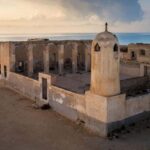
After the fort, the tour includes a traditional Qatari village scene built from limestone and mud. This isn’t a museum-style exhibit where everything is behind glass. It’s the kind of stop where the materials make the story physical.
For me, the value is in contrast. Fortifications tell you about security. A village scene tells you about daily life—how building materials, weather, and tradition shaped what people made and how they made it.
Al Shamal viewpoints: clear-day drama toward Bahrain
Next comes Al Shamal, where you get views that can stretch toward Bahrain on a clear day. Even if the horizon line isn’t perfectly visible, the point is the scale: you’re standing in a wide-open part of Qatar where the distances feel real.
This is a good segment if you like “breathing room” photos. It’s also a nice change from walking—more scenic looking, less museum energy.
A few more Al Khor tours and experiences worth a look
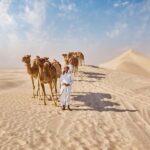
West Coast time: 18th-century charm in your hands
As the tour shifts to the West Coast, you’re guided into an area described as having 18th-century charm. What that usually means in places like this is that the visual rhythm changes—coastline feels different, settlements feel older, and the scenery starts to look built for people who traveled by sea.
This part of the day works well because it bridges heritage and nature. You’re not only seeing old structures; you’re also seeing why the coastline mattered and how the geography influenced life.
Zekreet Fort and the umbrella-shaped rock photo stop
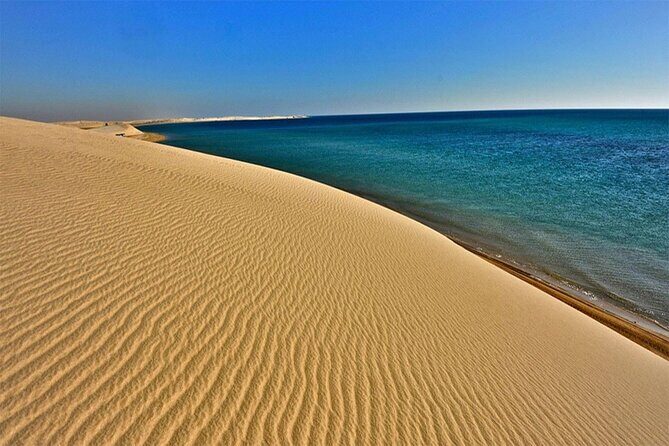
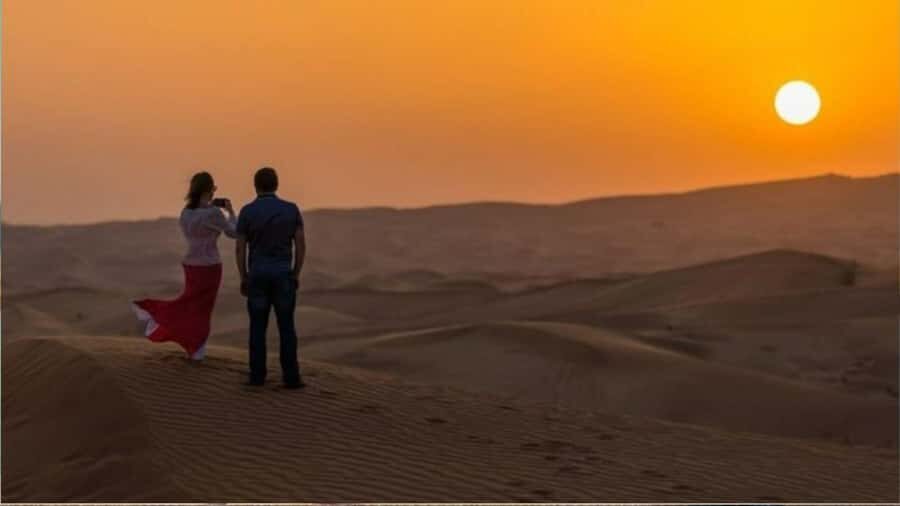
Now the day turns very “desert-painter” in the best way. You reach Zekreet Fort and the dramatic desert scenery where dunes meet striking rock forms. Time here includes a photo stop and sightseeing, plus time on the ground to walk and take it in.
One of the most famous moments is the umbrella-shaped rock—a photographer’s favorite—where rock geometry does the heavy lifting. You don’t need fancy skills. You just need the right angle, and there’s usually a moment where everything clicks.
Because this is also part of the area where you may get off-road style driving, plan to wear footwear you don’t mind getting a little dusty. You’ll be glad you did when you step out for quick walks.
Shahaniyah Camel Race Track: a cultural side trip
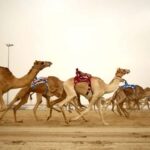
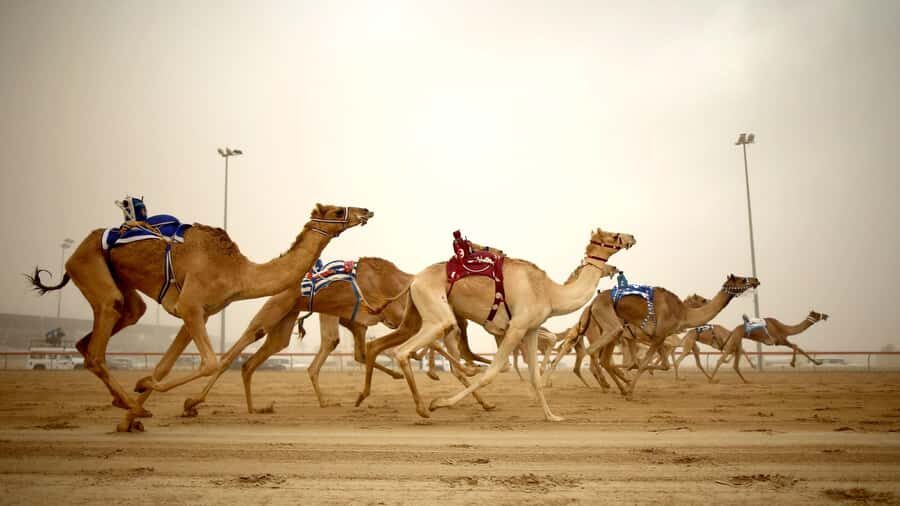
You also make a stop at the Shahaniyah Camel Race Track. This is brief but meaningful because it reminds you Qatar has living traditions tied to the desert. You get time for sightseeing and photos, and it adds variety to a day that could otherwise feel like only fort-and-sculpture.
If you’re the kind of person who likes a mix of history and culture (not just one theme), this is a smart waypoint.
Zekreet Peninsula: limestone formations and wildlife reserve time
Then you reach the heart of the western scenery: the Zekreet Peninsula and its wildlife reserve. This is where the day leans into open time. You’ll get photo moments, free time, and the chance for a more self-guided wander.
The limestone formations are the visual star. They create textures that are hard to fake in a photo. The wildlife reserve piece is the feeling star—expect that the area is set aside for real nature, not theme-park scenery.
If you’re a “slow photographer” who likes to wait for the light, this segment is a good fit because you’re not locked into constant driving. You can take your time and reposition.
Richard Serra Desert: big sculptures in an open setting
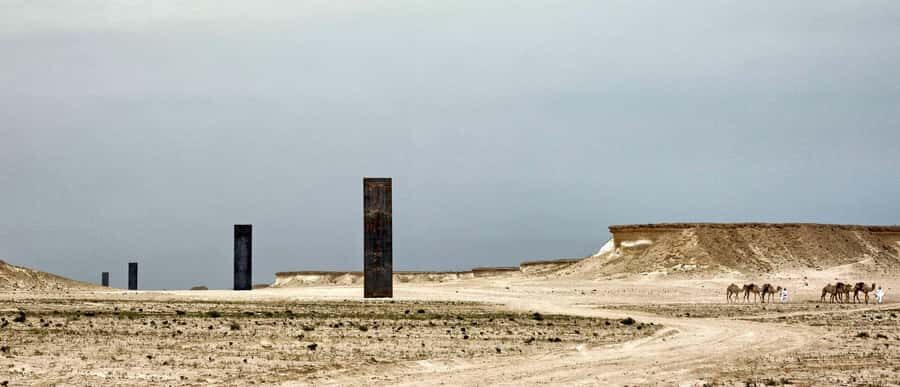
Next comes Richard Serra Desert, where you’ll have another photo stop and free time. This is also described with off-road adventure, which usually means you’re spending time getting to and moving around in a rugged setting rather than on smooth pavement.
The art works best here because you’re not in a white-box gallery. You’re in a wide open, wind-and-sand environment, and that context makes the metal shapes feel heavier and more grounded. If you like art that changes with the weather and angle, you’ll probably enjoy this stop more than you expect.
If you’re traveling with someone less into museums and more into “see it where it belongs,” this sculpture area is a good compromise.
The flow of the day: why timing matters on an 8-hour loop
This tour runs about 8 hours, and it uses that time in a practical way. You don’t just “rush from stop to stop.” You get a set of short, guided heritage moments and then a few stretches of self-guided walking and photography where you can actually process what you’re seeing.
The vehicle segments matter, too. Since pickup is from Doha, the driving time is built into the experience rather than tacked on. You’ll also have water and tea provided, which helps a lot when you’re moving between coastal and desert settings.
One small tip: bring your passport or ID card as required. It’s one less thing to worry about mid-day.
Price and value: is $63 per person a fair deal?
At $63 per person for a full day with pickup from Doha, an English-speaking guide, transportation, water and tea, and guided access components, the value is solid—especially if you want a lot of distance covered without organizing multiple tickets and logistics yourself.
What makes the pricing feel fair is the balance: you’re paying for transportation across northern and western Qatar plus guided heritage time at Al Zubarah Fort, and then you’re getting free time in photogenic desert areas like Zekreet and Richard Serra Desert. If you try to stitch this together solo, the driving and timing work alone can eat up your day fast.
Meals aren’t included, so plan to budget for lunch or a snack on your own. If you’re the type who needs regular food, pack something small or plan your timing carefully.
Who this tour suits best (and who should choose another plan)
This is a great fit for you if you:
- Want Qatar heritage plus desert scenery in one day without extra planning.
- Enjoy photography, because there are multiple built-in photo moments and two desert areas with free time.
- Learn better with a guide who tells the story in real-world context, which guides like Abdullah, Adil, and Tariq have been praised for.
It’s not a great fit if you:
- Need wheelchair access or have mobility limitations, because it’s not suitable for wheelchair users or people with mobility impairments.
- Prefer very short walking times at every stop. This day includes walks and uneven ground in desert and rock areas.
What to wear and what to bring for a comfortable day
For clothing, keep it respectful and weather-ready. Short skirts are not allowed, and you’ll be more comfortable in covered, breathable clothing that works for both sun and breezes.
Bring:
- Passport or ID card
- Sturdy shoes you don’t mind getting dusty
- Sunscreen and sunglasses (not listed, but smart for a day that moves between coast and desert)
Also, take advantage of the tea and water breaks. They’re part of how the day stays manageable.
Should you book this North & West Heritage Tour?
If you want a single day that connects Qatar’s pearl-fishing coast, UNESCO heritage, and western desert rock-and-art scenery, I think this is an easy yes. The itinerary is built for variety, and the guide support—often praised for warm storytelling and answering questions—can turn “nice stops” into a real understanding of why the places matter.
Book it especially if you’re staying in Doha and you don’t have the time to arrange separate half-day drives. Skip it if you can’t handle walking and off-road style segments, or if you need meals included.
If you tell me when you’re going (month matters for heat) and what kind of traveler you are—history-first, photos-first, or mix—I can suggest whether this is the right pace or if you’d be happier with a shorter or more focused option.
FAQ
How long is the North & West Heritage Tour?
The tour duration is 8 hours.
Where is pickup located?
Pickup starts in Doha.
Is pickup available from hotels and the airport?
Yes. Pickup is available through hotels and the airport.
What’s included in the tour price?
Included are pickup by air-conditioned car, an English-speaking tour guide, transportation, water, tea, and drop-off service.
Are meals included?
No, meals are not included.
Do I need to bring identification?
Yes. You should bring your passport or ID card.
Is this tour wheelchair-friendly or suitable for mobility impairments?
No. It is not suitable for people with mobility impairments or for wheelchair users.
What are the rules for clothing and what can’t I bring?
Short skirts are not allowed, and pets are not allowed.
What’s the cancellation policy?
You can cancel up to 24 hours in advance for a full refund.