REVIEW · AL KHOR
North Of Qatar Tour With Professional Guide From Doha
Book on GetYourGuide →Operated by OryxAdventure Tourism · Bookable on GetYourGuide
North Qatar turns a normal day trip into a story you can walk through. I love the way this tour strings together Al Zubara Fort and the coast in one smooth loop, and I also love the photo-and-walk rhythm at Al Khor’s Purple Island. One thing to consider: with a tight 4-hour schedule, each stop is more “visit and move” than “linger forever.”
You start out by heading north fast enough that the scenery shifts before you even finish getting your bearings. The vibe is equal parts sightseeing and short explanations, and the guide’s personality matters here—names like Hesham, Rehan, and Asim pop up in the guide style you’ll likely experience, with people praising entertaining delivery and friendly, clear explanations.
If you’re the type who likes long museum hours, you may feel a bit rushed. But if you want a high-value sampler of northern Qatar—fort archaeology, seaside views, a limestone-and-mud village, and then art in the desert—you’ll probably feel like you got your money’s worth.
In This Review
- Key Things I’d Highlight Before You Go
- Getting North from Doha in an Air-Conditioned 4×4
- Al Zubara Fort: Qatar’s UNESCO Start and a Real Sense of Place
- Al Khor Break: Harbor Views and Beach Air
- Purple Island of Al Khor: A Quick Walk That’s All About the Color
- Al Shamal and the Bahrain Sightline on Clear Days
- Al Zubara Area to Al Jumail Village: Limestone, Mud, and Atmosphere
- Olafur Eliasson in the Desert North of Al Zubarah
- Price and Value: Is $44 for Four Hours a Good Deal?
- Who This Tour Suits Best
- Small Logistics That Can Make or Break the Day
- Should You Book North Qatar with a Professional Guide?
- FAQ
- How long is the North of Qatar tour?
- What does the tour cost?
- Where does pickup happen?
- What’s included in the price?
- Are meals included?
- Do I need to bring anything?
- Is luggage allowed?
- Is the tour suitable for wheelchair users?
- What’s the cancellation policy?
Key Things I’d Highlight Before You Go
- UNESCO history at Al Zubara Fort with guided walking and photo moments
- Al Khor Purple Island as a short stop that’s perfect for scenic photos and stretching your legs
- Harbor and beaches of Al Khor for a different side of Qatar than Doha
- Al Jumail abandoned village for that atmospheric, old-world “how people lived” look
- Olafur Eliasson desert installation as a smart, thought-provoking final stop
- Air-conditioned 4×4 pickup and drop-off keeps the whole loop comfortable
Getting North from Doha in an Air-Conditioned 4×4
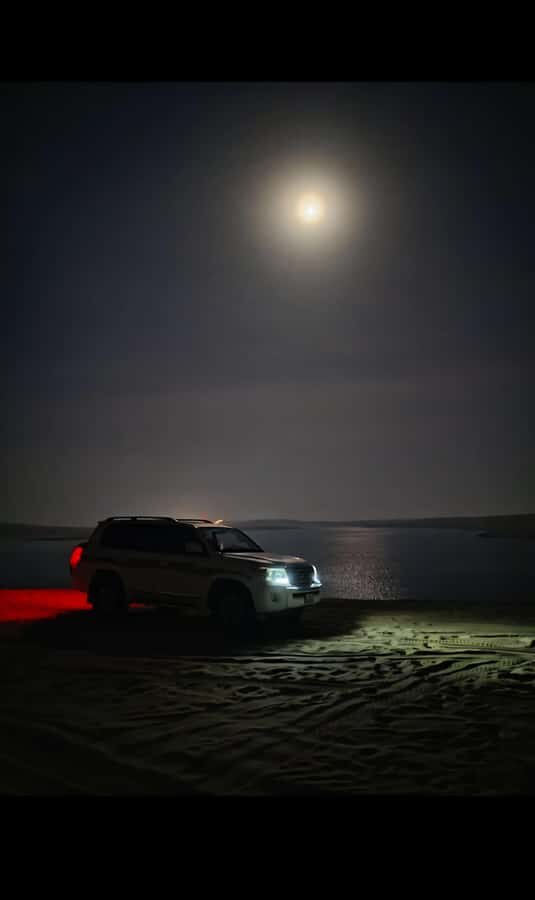
This tour is built for a quick northern sweep, and the ride style helps. You’ll be picked up in a 4×4 SUV with air-conditioning, plus bottled water and local tea in the mix. That matters in Qatar because even short drives can feel like a lot when you’re outside in the sun.
Timing is also part of the experience: you’re not stuck waiting around for a late start. The schedule moves you through the north in a logical order—fort, coast, Purple Island, village area, and then the desert art stop—so you spend your limited time seeing, not clock-watching.
One small practical note that will save you stress: bring comfortable shoes. You’ll do short guided walks at multiple stops, plus a few scenic walking segments where it’s easier to move than to stand still.
You can also read our reviews of more guided tours in Al Khor


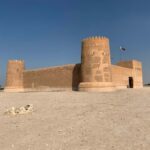
Al Zubara Fort: Qatar’s UNESCO Start and a Real Sense of Place
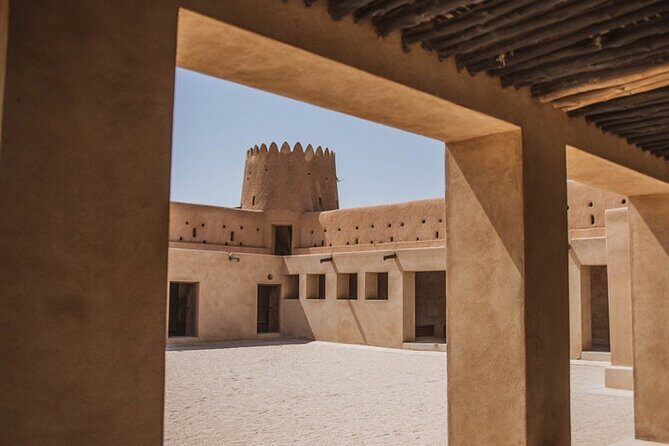
Al Zubara Fort is the anchor of the day. This is described as Qatar’s first UNESCO World Heritage site, and it shows: you’re not just viewing buildings from a distance. You get a guided look at the archaeological area, with time for photos and an actual walk-through feeling.
What I like about this stop is how it sets the tone for everything else. The fort gives you a foundation—northern Qatar wasn’t just “out there,” it was historically connected to trade, settlement, and coastal life. So when you later see the harbor at Al Khor and the abandoned village area, it clicks as one connected story instead of random photo points.
You’ll also notice that excavations are ongoing, which changes the energy of the visit. It’s not a polished, final-form monument—it’s a living research site. Even if you only have a short time here, that context makes the fort feel more alive and less like a static stop.
Practical tip: plan on taking your time with photos, but don’t overdo it. Fort photos are easy to lose track of because everything looks “historical.” Set a mental limit so you still enjoy the guided pieces.
Al Khor Break: Harbor Views and Beach Air
After the fort, the tour shifts toward the coast with a stop in Al Khor. This is where the day changes temperature and mood. Instead of archaeological textures, you’re meeting the open air—harbor views, a coastal horizon, and beaches that make northern Qatar feel different from the Doha skyline.
The time here is intentionally short, but it’s enough to do the essentials: a guided look, a break moment, and a chance to step away from heat trapped by inland streets. If you’re someone who likes to compare places—how the light changes near water, how the coastline frames the horizon—this stop does that well.
Keep your camera handy. Even if you’re not a “beach person,” the harbor scenes are the kind of photos that look good without requiring perfect timing. Just look for viewpoints where you can capture the waterline and the activity around the harbor.
Purple Island of Al Khor: A Quick Walk That’s All About the Color
Then you get the star stop for many people: the Purple Island area near Al Khor. This is built into the itinerary as a photo stop plus guided visit time and a walk with scenic views along the way.
What I like about this stop is that it’s not just a “stand here and snap one picture” situation. The route includes a walking segment, which makes the color-and-light effect feel more real. You’ll get a chance to enjoy the surroundings rather than treating it like a drive-by.
A quick reality check: color effects can be influenced by conditions. The best photos often come when you get good light and you’re positioned right, so don’t rush straight to the first view you see. Move a bit, check the angles, and then settle.
If you’re traveling with a friend who loves taking pictures but hates long walks, this is a good compromise. It’s walkable without turning into a hike.
Al Shamal and the Bahrain Sightline on Clear Days
As you continue north, Al Shamal enters the picture. One detail I find genuinely useful: you can see Bahrain on clear days. That’s the kind of note that can turn an ordinary stop into a “wait, that’s real” moment.
This is also a reminder to treat the desert-and-coast light seriously. In Qatar, the sky can shift fast. If it looks clear when you’re there, take that as your cue to get your photos before clouds roll in or visibility fades.
This stop also works as a mental bridge. After the structured fort and coastal sections, Al Shamal feels more like open northern space—big sky, long sightlines, and the sense that you’re truly out of the Doha bubble.

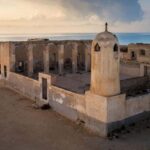
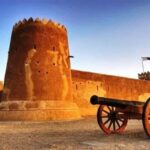
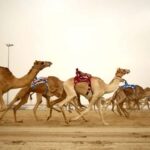
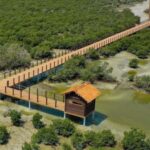
Al Zubara Area to Al Jumail Village: Limestone, Mud, and Atmosphere
Next comes Al Jumail Village, described as an abandoned village photo stop and walk. You’ll also hear about traditional Qatari houses made from limestone & mud—and it’s exactly the kind of detail that helps you see past the “ruin photo” mindset.
This is one of those stops where the guide’s explanations matter. When you understand what materials were used and why, the buildings stop looking random. You start imagining daily life—how people built with what was available, how settlements responded to climate, and how communities changed over time.
The downside? Since it’s primarily a photo stop with walking, it’s easy to end up focusing only on the visuals. If you want value here, slow down for a minute, listen to what the guide points out, and then take pictures. The order matters.
If you like atmospheric stops—places that feel quiet and a little haunting—this is the one. If you only care about big monuments, you might find it simpler. Either way, it’s an important contrast to the fort.
Olafur Eliasson in the Desert North of Al Zubarah
The day ends with a special curve: Olafur Eliasson’s site-specific installation in the desert, just north of Al Zubarah. It’s not presented as “another photo stop.” It’s framed as an experience about perception—how what you think you’re seeing shapes your relationship with reality.
I love this kind of final stop because it changes how you remember the trip. You don’t walk away only thinking about sights. You also think about how landscapes, art, and observation connect—even when you’re standing in open desert with no obvious city backdrop.
Because you’re already north, the desert setting makes the installation feel more grounded. It’s not competing with a crowded museum. It’s sitting where the light and the emptiness do part of the work for you.
Practical tip: dress for the desert conditions. Even if the tour is short, you’ll want comfortable layers and good shoes for uneven ground.
Price and Value: Is $44 for Four Hours a Good Deal?
At $44 per person for a 4-hour guided north Qatar outing, you’re paying for transport, an English-speaking guide, and the convenience of a smooth route that hits multiple northern highlights in one go.
Here’s the value angle I think matters most:
- You get pickup and drop-off in Doha (including hotel pickup within Doha city) without needing your own car.
- You get air-conditioned 4×4 transport, plus water and local tea, which keeps the whole day practical.
- You’re guided at several stops, including Al Zubara Fort and key scenic areas, where explanations make the difference between taking photos and actually understanding what you’re seeing.
The main “not included” item is meals. That’s not a dealbreaker, but it means you should plan around it—either eat beforehand in Doha or have a small snack ready if your timing makes you hungry.
Also keep expectations realistic: this isn’t a full-day exploration where you can go deep into every site. It’s a concentrated sampler, and it works best when you treat it like a curated highlight reel.
Who This Tour Suits Best
This is a great match if:
- You want a northern Qatar day trip without driving yourself
- You care about mixing archaeology + coastline + village life
- You like guided stops with explanations, not just free time
- You’re curious about the desert art connection at the end
It’s less ideal if:
- You need long viewing times at each stop
- You rely on wheelchair access (the tour isn’t suitable for wheelchair users)
If you’re traveling with teenagers or friends who want variety, this route also keeps momentum. You go from fort to coast to iconic color photos to a village atmosphere to desert art, all without a long gap.
Small Logistics That Can Make or Break the Day
To keep the day smooth, stick to what the tour asks for:
- Bring your passport or ID card
- Wear comfortable shoes
- Avoid luggage or large bags since they’re not allowed
- Use the WhatsApp-based pickup coordination your guide sends, especially if you’re in a hotel situation
It also helps to show up with a camera plan. You’ll have several photo moments—Purple Island, Al Zubara Fort, and the village area—and you’ll feel rushed if you’re constantly stopping to figure out settings.
One more thing: you’ll be in motion across multiple stops, so don’t overpack your schedule elsewhere that day. Give yourself an easy buffer in Doha before or after, so you don’t feel like the tour is squeezing your whole itinerary.
Should You Book North Qatar with a Professional Guide?
Yes—if you want the most efficient, guided way to see northern Qatar highlights in one morning/afternoon loop, this tour makes sense. You’re getting UNESCO context at Al Zubara Fort, scenic variety at Al Khor and the Purple Island, a village stop that connects to building traditions, and then an art installation experience in the desert.
Book it especially if you value guidance. This tour isn’t just about where you go—it’s about what you understand while you’re there. With an English-speaking guide approach that can feel lively and informative (names like Hesham, Rehan, and Asim show up in the guide reputation), it’s the difference between “pretty photos” and a trip that makes sense.
Skip it only if you know you’ll be unhappy with short visits at each stop or if you need wheelchair access.
FAQ
How long is the North of Qatar tour?
The tour lasts 4 hours.
What does the tour cost?
It costs $44 per person.
Where does pickup happen?
Pickup is available from locations within Doha city, including hotels. You can also arrange meeting points if you’re at an airport or port area, based on the provider’s instructions.
What’s included in the price?
Included are pickup by air-conditioned 4×4 transport, an English-speaking tour guide, transportation, unlimited water and local tea, and drop-off service.
Are meals included?
No, meals are not included.
Do I need to bring anything?
Bring your passport or ID card and wear comfortable shoes.
Is luggage allowed?
No. Luggage or large bags are not allowed.
Is the tour suitable for wheelchair users?
No, it is not suitable for wheelchair users.
What’s the cancellation policy?
You can cancel up to 24 hours in advance for a full refund.