REVIEW · DOHA
4-Hour Private Museum of Islamic Art in Qatar Tour
Book on Viator →Operated by Oman Day Tours · Bookable on Viator
Doha’s Islamic art museum feels like a monument. The Museum of Islamic Art rises like a cubistic pyramid from the Persian Gulf, and this private tour is a smart way to see it with less guesswork and more meaning. You get dedicated time in the galleries and private transportation, so your visit stays about the art and the setting, not logistics.
I like two things a lot: first, the tour keeps you on track with about 3 hours inside the museum, which is enough time to hit major highlights without rushing every room. Second, you’re guided to the museum’s star material—rare gold and silver coins and museum-quality glasswork—so you understand why these objects matter, not just what they look like.
One thing to consider: 4 hours is still a tight window for a museum this big, and you may want to plan extra time if you’re the slow-reading type. Also, the museum ticket can be a little confusing depending on how your booking is listed, so confirm whether the $14 ticket is included for your exact option (and remember tips aren’t included).
In This Review
- Key things you’ll notice on this Doha Islamic art tour
- A building you can’t ignore: the Museum of Islamic Art’s seaside look
- Price and logistics in plain terms: what your $135 buys
- Your time inside: how the galleries work when you have limited hours
- What you’ll see: coins, manuscripts, metalwork, ceramics, jewelry, and more
- The museum’s glasswork and patterns: where your eye starts to feel smarter
- Terrace views, coffee breaks, and photo-friendly sea air
- Who this private tour fits best in Doha
- Should you book this private Museum of Islamic Art tour?
- FAQ
- How long is the 4-Hour Private Museum of Islamic Art in Qatar Tour?
- Is pickup included?
- Is this a private tour?
- What does the $135 per person price include?
- Do I have to pay for the Museum of Islamic Art ticket separately?
- Is tipping included?
- Will I receive a mobile ticket?
- Can I get a full refund if I cancel?
- When will I get confirmation after booking?
Key things you’ll notice on this Doha Islamic art tour
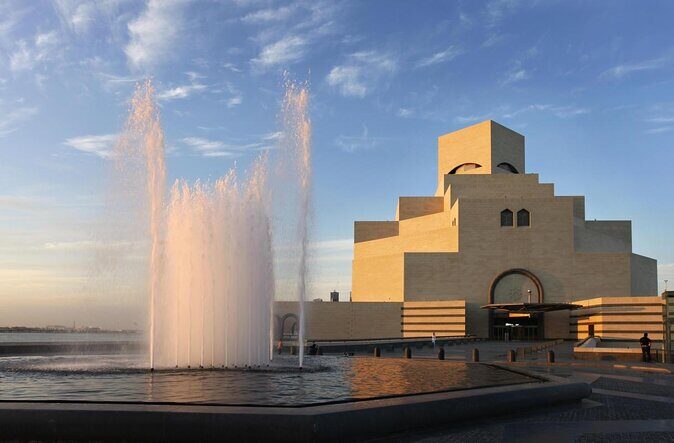
- I.M. Pei’s architecture makes the museum feel like an attraction even before you enter.
- Private pickup and transportation keep the day smooth and efficient.
- Rare coins and manuscript collections connect Islamic art to real daily life and centuries of craft.
- Glasswork is a headline act, from enameled color to carefully cut and molded pieces.
- Terrace views and skyline moments turn the visit into more than indoor galleries.
- A guide can add context fast; in the experience feedback, Ali is singled out for clear, unhurried storytelling about Doha.
A building you can’t ignore: the Museum of Islamic Art’s seaside look
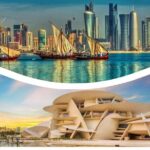
The Museum of Islamic Art in Doha isn’t just a place to view objects. It’s an object itself. The cubistic pyramid form sits against the creamy turquoise waters of the Persian Gulf, and you’ll feel that contrast the moment you arrive—sharp geometry next to the softness of the sea.
The exterior details also matter. People note arches, outdoor water features, and a sense that the grounds were designed for strolling, not just passing through. And inside, the lighting treatment plays a big role. When glass, metal, and jewelry are lit well, you don’t need to be an expert to notice the craftsmanship.
There’s also practical advice here. The museum is serious about respectful presentation, and you’ll want to dress appropriately before you go in. If you show up casually dressed, you may spend time adjusting rather than looking.
You can also read our reviews of more private tours in Doha



Price and logistics in plain terms: what your $135 buys
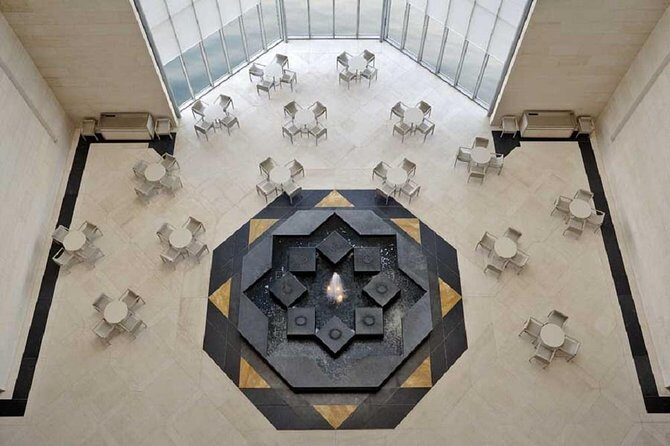
This private tour runs about 4 hours total, with about 3 hours inside the museum. The price is listed at $135 per person, and it includes taxes plus private transportation. That matters because it turns the day into a clean, door-to-door schedule, which is especially helpful in Doha when you’d rather not spend energy figuring out timing and routes.
One catch: the museum entry fee is listed two ways in the information you’re given. The tour summary notes the museum ticket at about $14 USD isn’t included, but the museum stop details also mention admission ticket included. So I strongly recommend you confirm in writing (or in the booking summary) exactly what your option includes. This avoids surprises at the entrance.
How I’d think about value: if you’re going in a small group or you want a guide to shape what you see, the private transport plus focused museum time can feel like paying for attention. If you’re traveling solo and you’re happy to take public transport, you might find cheaper ways to enter the museum—yet you wouldn’t get the same pacing and context.
And yes, it’s private. You won’t be mixed into a big crowd. Only your group participates.
Your time inside: how the galleries work when you have limited hours
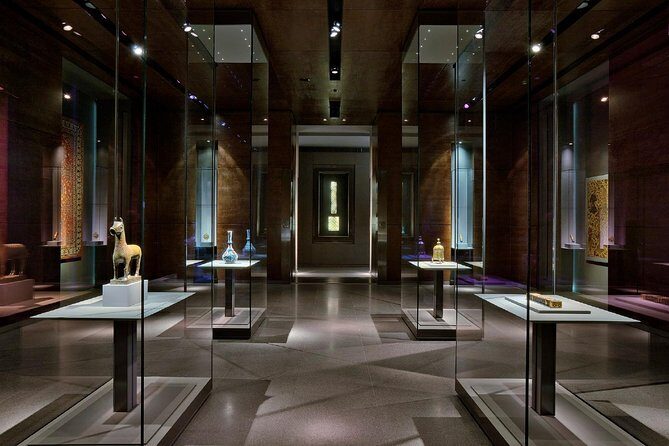
With a museum visit built around a fixed time window, the big question is where to spend your attention. This tour’s structure is helpful because it nudges you toward the museum’s strongest threads: early Islamic manuscripts, standout decorative arts, and the collection’s world-class glass.
Here’s the pace logic I’d use if I were planning: start broad for the first stretch so you get the museum’s “map.” Then slow down for the objects that match your interests. If you’re drawn to paper and writing, focus on manuscripts and Qur’an volumes. If you love materials and color, aim for glass, metalwork, ceramics, and textiles.
The feedback also suggests the museum is easy to move through. People who love detail mention they spent around 2 hours to see works closely. That tells me this 3-hour museum block gives you room to look properly without feeling like you have to sprint.
If you’re visiting with kids, you’ll likely appreciate the museum’s interactive displays and large visual presentation style mentioned in the feedback. That doesn’t replace close looking, but it helps keep attention during longer gallery time.
What you’ll see: coins, manuscripts, metalwork, ceramics, jewelry, and more
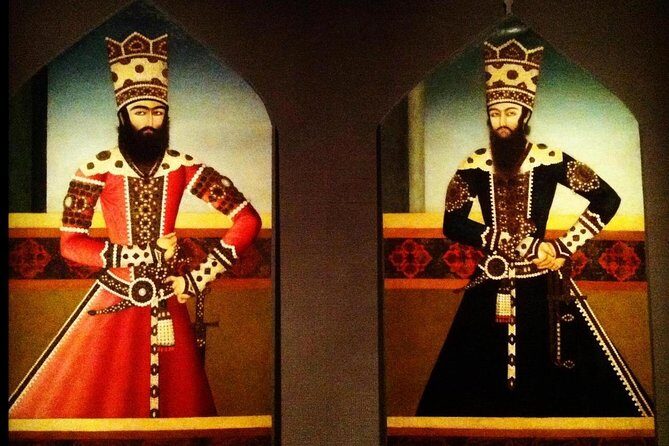
The Museum of Islamic Art collection is wide, and it can feel overwhelming—so it helps to know the big categories before you start.
You’ll encounter works across manuscripts, metalwork, ceramics, jewelry, woodwork, textiles, coins, fabric, and glass. The collection is described as being gathered since the late 1980s, and that long-building approach shows in how many different regions, periods, and crafts are represented.
The museum’s coin collection is one of the clearest “story anchors.” You get access to rare gold and silver coins, which give a window into Muslim societies from as early as the 7th century. It’s a smart highlight because coins connect art to economics and daily life. You’re not only looking at beauty; you’re looking at what people valued enough to mint and circulate.
Manuscripts are the other major pillar. There are over 800 manuscripts, including Qur’ans spanning from early periods to Ottoman works in the 19th century. That range is huge, and it’s where a guide can help you notice what changes over time—styles of script, ornament patterns, and how decoration evolves.
And then there are the “touchable” crafts: ceramics and glass you can admire for color and technique, textiles that show how pattern and structure matter, and woodwork or metal pieces that make you understand Islamic art as a design language, not just a single style.
Even if you don’t know what you’re looking at, the museum’s object mix makes it hard to be bored. The most common praise is that the displays are presented beautifully and organized enough to follow.
The museum’s glasswork and patterns: where your eye starts to feel smarter
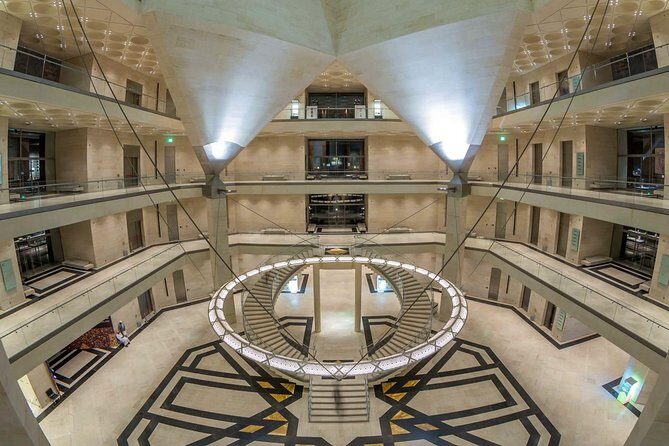
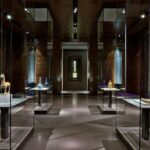
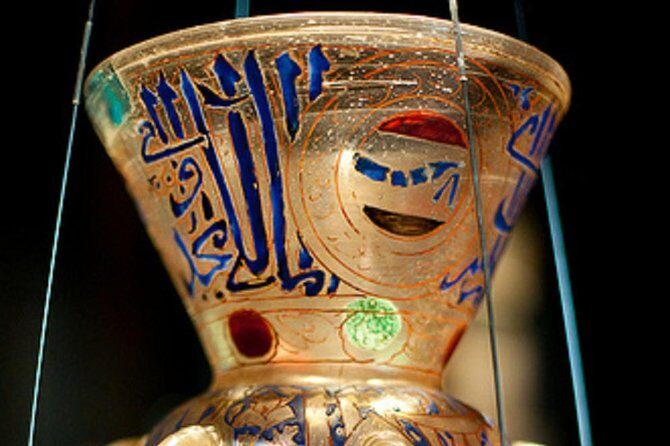
If you’re the kind of person who likes to slow down for craftsmanship, the museum’s glass is a highlight. The collection includes some of the highest-quality Islamic glasswork, from multicolored enameled pieces to simpler cut and molded glass forms that still show disciplined technique.
What makes this worth your time is how the objects teach you to look. Glass in museum lighting often turns into a color puzzle—edges, reflections, surface patterns. When you see these pieces grouped properly, you start spotting repeat design logic: geometry, balance, and pattern rhythm.
You’ll also encounter the broader “design science” side of Islamic art. One of the described strengths is that the museum connects art to knowledge areas like astronomy and mathematics, alongside calligraphy and decorative arts. This is where the museum can feel more intellectual than expected, and it can be a pleasant surprise if you only thought you’d see ornaments.
One balanced note: not everyone will connect with abstract pattern art. One comment criticizes the experience as bland or unusual. That’s your cue to ask yourself honestly what you want from your trip: do you want deep craft and material detail, or do you want a more narrative, modern feel? If you’re the second type, you might still enjoy the building and views, but you could wish for more guide-led storytelling at a pace you control.
You can also read our reviews of more museum experiences in Doha
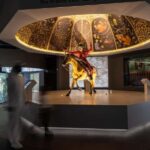
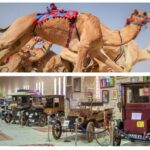

Terrace views, coffee breaks, and photo-friendly sea air
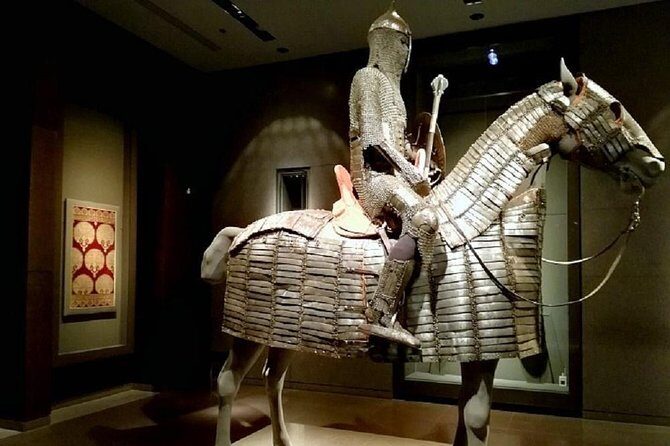
This is a Doha tour, so you shouldn’t spend the entire time indoors. The museum has terraces, and people repeatedly mention the views—including Instagram-style photo moments looking over the sea and skyline.
Even better, you’re not stuck hunting for a place to rest. Feedback mentions the top-floor restaurant was closed during one visit, but a coffee shop still worked for brunch, and the view from there was a big part of the enjoyment. So if you want to eat while keeping the museum atmosphere around you, plan to use the museum’s on-site café space rather than wandering far.
Practical tip: bring a light layer. The galleries can be climate-controlled, while the terrace air can feel different from the interior. And since you’re dealing with glass and reflective surfaces, it’s worth thinking about camera settings before you walk out onto the terrace.
Who this private tour fits best in Doha
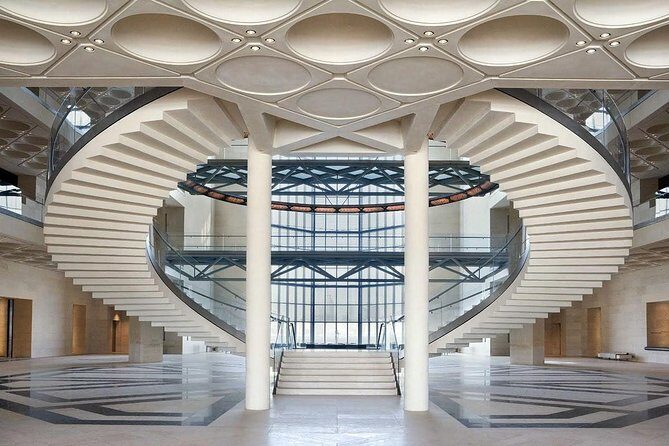
This tour is built for a specific kind of day: culture-first, comfortable pace, no major planning. It’s a good match if:
- You want a private guide style experience rather than joining a large group.
- You care about Islamic art through materials—coins, manuscripts, metalwork, glass, ceramics.
- You’re visiting Doha with limited time and you want one high-value museum stop that also includes a strong sense of place.
It’s also promising for families. The museum’s interactive and visual approach shows up in the feedback, and people mention it works well for children as you follow the museum path through history.
If you’re traveling with someone who doesn’t care for museum objects, you still have a fallback: the architecture, the terraces, and the overall visual design of the building. But you may want to set expectations beforehand. For the best experience, pair time here with at least one other city-oriented activity later in your day or trip so the museum doesn’t become the only focus.
Should you book this private Museum of Islamic Art tour?
I’d book it if you want a smooth Doha day where the main event is art and context, and you’re happy to trade a little free exploration for expert pacing. The strong value signals here are the private transport, the well-regarded museum presentation, and the tour’s focus on standout collection areas like coins and glass.
Skip it or reconsider if you already know you want hours and hours of independent wandering. This is a 4-hour plan, and you’ll notice the time limit if you like to read every label and keep returning to the same objects for comparison.
My decision rule: if you’re in Doha for a short visit, book. If you’re there for a longer stay and you love slow museum days, consider adding extra standalone hours on your own. Either way, the museum building itself is worth your schedule—especially if you want that “sea-to-geometry” moment that Doha does so well.
FAQ
How long is the 4-Hour Private Museum of Islamic Art in Qatar Tour?
The experience runs about 4 hours total, with around 3 hours spent at the Museum of Islamic Art.
Is pickup included?
Yes. Pickup is offered, and the tour includes private transportation.
Is this a private tour?
Yes. It’s listed as a private experience, and only your group participates.
What does the $135 per person price include?
The price includes taxes and private transportation.
Do I have to pay for the Museum of Islamic Art ticket separately?
The information provided is mixed: the museum stop details mention admission included, while the pricing notes list a museum ticket cost of about $14 USD not included. Confirm your exact booking details before you go.
Is tipping included?
No. Tipping is not included.
Will I receive a mobile ticket?
Yes. Mobile ticket is listed as a feature.
Can I get a full refund if I cancel?
Yes. Free cancellation is allowed up to 24 hours in advance for a full refund.
When will I get confirmation after booking?
You’ll receive confirmation at the time of booking, unless you book within 2 days of travel. In that case, confirmation is sent within 48 hours, subject to availability.
You Might Also Enjoy

More Private Tours in Doha



More Tours in Doha




More Tour Reviews in Doha
- Qatar Gold Dune Safari, Dune Bashing,Camel Ride,Sand Boarding,Inland Sea Desert
★ 5.0 · 2,807 reviews