REVIEW · DOHA
North Qatar: Purple Island, Al Zubarah Fort & Mangroves Tour
Book on GetYourGuide →Operated by Falcon Tours Qatar · Bookable on GetYourGuide
Four hours, three worlds. North Qatar’s mix of mangroves, fishing culture, and UNESCO heritage feels like a side of Qatar many people skip when they base only in Doha. The Purple Island boardwalk and Al Zubarah Fort museum are a great one-two combo: calm nature in the morning, then history that explains how this coast got its power.
I especially like two things. First, the tour is built around a real guide who can turn facts into clear stories, and the English level is repeatedly praised, with guides like Junaid and Mohammad Khan singled out for being friendly and easy to follow. Second, I like the way the day connects coastal life to archaeology—mangroves, then maritime villages, then a fort that tells the trade-hub story.
One consideration: you’re fitting a lot into a short window, so don’t expect long beach hangs or a slow museum crawl; the stops are timed, and some walking is involved. If you need step-free access, this one isn’t a match.
In This Review
- Key highlights worth your attention
- North Qatar feels like a different country
- How the 4-hour format really works for you
- Al Khor harbor and beaches: a quick coastal breather
- Purple Island (Al Khor Island): mangroves plus ancient remnants
- Al Dhakhira fishing village: dhows, maritime memory, and more than sightseeing
- Al Zubarah Fort: UNESCO history you can actually picture
- Price and value: what $70 covers, and what it doesn’t
- What to bring, how to dress, and how to keep it smooth
- Who this tour fits best
- Should you book North Qatar: Purple Island, Al Zubarah Fort & Mangroves?
- FAQ
- Where does the tour start in the morning?
- How long is the North Qatar tour?
- What does the $70 per person price include?
- Are meals included?
- Which language is the tour guide?
- What should I bring for the tour?
- Is a passport required, or can I use something else?
- Are pets allowed on the tour?
- Is this tour suitable for wheelchair users or mobility impairments?
- Where are the main stops during the tour?
Key highlights worth your attention
- Purple Island mangroves on a boardwalk: A quiet ecosystem walk with remnants tied to the second millennium BC
- Al Zubarah Fort, UNESCO-listed: Fortress-turned-museum views that connect Qatar’s trade past to today
- Al Dhakhira fishing village culture: Traditional cargo and fishing dhows linked to the region’s economy
- Al Khor harbor and beach reset: A short pause to take in northern coastal life
- English-speaking guides and great driving: Many guides are praised for clarity, warmth, and safe transport
North Qatar feels like a different country
This tour makes North Qatar easy to understand. In a few hours, you move from harbor calm to coastal wildlife to the kind of fort history that explains why people came to this shoreline in the first place.
The pacing also helps. You’re not asked to master a complicated route, and you get pickup in Doha plus an air-conditioned car for the stretches between stops. For a first trip north, that matters.
You can also read our reviews of more tours and experiences in Doha.



How the 4-hour format really works for you
The entire experience runs about 4 hours, with scheduled stops along the way. That structure shapes everything: it’s a sampler day that favors seeing the major highlights rather than lingering everywhere.
You’ll start with pickup in Doha and head to Al Khor first for a short sightseeing window, then Purple Island, then Al Dhakhira, and finish at Al Zubarah Fort. The total time at each place is limited, so it’s smart to arrive ready to move—camera charged, sunscreen on, and shoes that handle uneven ground.
Since it’s a small-group option (and private is available), you usually get more personal attention than you would on a large bus tour. The best part is the guide interaction: multiple guides have been praised for being clearly spoken and conversational, like Junaid for his friendliness and Mohammad Khan for his kindness and depth.
Al Khor harbor and beaches: a quick coastal breather
Your first stop is Al Khor, a municipal area known here for harbor views and calmer beach vibes. You only have about 15 minutes, so don’t plan on a long walk. Instead, use this moment to reset your eyes and your expectations.
What I like about this quick stop is how it sets context for the rest of the day. When you later see dhows in Al Dhakhira and the fort that supported trade, you’re not looking at those places in isolation—you’ve already gotten that northern-coast feel.
Practical tip: bring a hat or at least something that blocks sun while you’re taking photos. You’ll be outside more than you think once you’re on the ground.
Purple Island (Al Khor Island): mangroves plus ancient remnants
Purple Island is the tour’s nature anchor. You’ll get around 30 minutes here, including time to walk the boardwalk and take in the mangrove setting.
The key detail is that you’re not just strolling through pretty scenery. The area is described as housing remains and archaeological wonders from the second millennium BC, with mangroves that shelter the ecosystem. That combination is unusual and it’s why this stop feels more meaningful than a standard photo stop.
Here’s what this means for you in real life: the mangroves shape the light, the air, and the feel of the place. Instead of the open-coast rush you might expect, you’re moving through a calmer, sheltered environment. Then, as you look around, you can connect the biology to the long human story of how people used this region.
A small caution: because it’s a boardwalk and there is walking, comfortable shoes matter. Also, the weather in Qatar can turn intense fast, so sunscreen isn’t optional if you want photos without regret.
Al Dhakhira fishing village: dhows, maritime memory, and more than sightseeing
After Purple Island, you’ll head to Al Dhakhira for about 15 minutes. This is a fishing village stop meant to show you the maritime past and present.
You’ll see traditional Qatari dhows described as historic cargo and fishing vessels that mattered to the region’s economy. Even in a short visit, the idea lands: this coast isn’t just scenic. It was a working network of trade and fishing, and you can feel that theme as you move from place to place.
What I like here is the human scale. Compared with a big fort museum, this kind of village stop gives you texture—how people earn a living, and how the sea still shapes local life. If you’re a history buff, it also helps you connect the fort’s trade story to the coast it relied on.
Time check: fifteen minutes is enough for a quick look and photos, not enough for long conversations. If you like asking questions, this is where a good guide can help by putting the stop in context quickly.




Al Zubarah Fort: UNESCO history you can actually picture
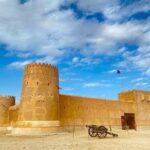
Your final stop is Al Zubarah Fort, which is a UNESCO World Heritage Site and a museum today. You’ll have about 40 minutes, which is long enough to get something out of it if you pace yourself.
This fort is presented as a fortress that narrates Qatar’s past when the area functioned as a busy trade hub. That’s the big payoff: earlier stops connect to this one, because you’re seeing the coastline and maritime culture first, then the fortified center that supported commerce.
What makes this visit valuable is the way a fort changes your viewpoint. A museum in a quiet room is one thing. A fortress setting gives you scale—why a settlement would protect trade, how geography matters, and how power concentrates in built forms.
Also, the reviews praise guides for telling stories that connect architecture and history in a way that sticks. If your guide is Junaid, Mohammad Khan, or another similarly praised host, you’ll likely get help seeing the fort as more than walls and rooms.
If you’re short on time, here’s how I’d use your 40 minutes:
- Spend a few minutes orienting yourself in the museum area
- Focus on the parts that explain trade and settlement
- Then look back out toward the setting to tie the story to the location
Price and value: what $70 covers, and what it doesn’t
At $70 per person for roughly four hours, the value comes from three practical inclusions: pickup and drop-off, an air-conditioned car with transportation, and an English-speaking guide. You’re also provided water and tea, which is exactly the right kind of included perk for a warm outdoor day.
So what are you paying for beyond driving? Mainly time-saving and context. North Qatar requires effort to reach, and the tour removes that work. More importantly, the guide experience seems to be a high point in the feedback—people mention friendly conversation, clarity, and knowledge tied to architecture and national history.
What’s not included is meals unless you choose add-ons. That matters because you’re out for a half day. If you’re doing this during Ramadan, the tour data notes that meals are expected to begin on Saturday, March 1 and conclude on Monday, March 31, with meals not available during that period as described. If you need food on schedule, plan for snacks before you leave.
One more thing: the cost includes comfort items (water and tea) but not a full lunch. So bring your own snack only if the operator allows it, or plan your day around a meal before or after.
What to bring, how to dress, and how to keep it smooth
For what to bring, the basics are clear: passport is required, and a copy is accepted. Also bring comfortable walking shoes, sunscreen, and a camera—those are the items that keep this tour enjoyable rather than stressful.
Dress matters in Qatar. The tour data specifically says no short skirts and no sleeveless shirts, and it also mentions restrictions like no see-through clothing. If you show up dressed for hot weather, just make sure it still fits the rules. Light, modest layers beat a last-minute wardrobe fix.
In the vehicle, there are also clear boundaries: no smoking in the car, and no alcohol or drugs. If you’re traveling with someone who breaks rules when they get tired, this is a useful tour to do because it sets expectations early.
Who this tour fits best
This tour is a strong match for families, history lovers, and nature-focused travelers. If you want a single day that connects multiple themes—coastal ecosystems, maritime culture, and the trade-history story of Al Zubarah Fort—this format does that well.
It’s also a good choice if you like short, high-quality stops. Each place is brief but specific, and the guide role helps you avoid the common problem of rushing through without getting the meaning.
On the flip side, it’s not suitable for people with mobility impairments or wheelchair users, and the data notes some walking is involved. If accessibility is a priority, check alternatives designed for step-free routes.
Should you book North Qatar: Purple Island, Al Zubarah Fort & Mangroves?
I’d book it if you want maximum meaning in minimum time. The combination of Purple Island mangroves, Al Dhakhira’s dhow culture, and a UNESCO fort museum makes the day feel stitched together instead of random stops.
Skip it if you need lots of time at each location, or if walking is difficult for you. Also, remember meals aren’t included unless you add them, so plan your food timing—especially if you’re traveling around Ramadan.
If you do book, bring comfortable shoes, sunscreen, and a camera. And when you meet your guide, don’t be shy about asking what to look for at each stop. With guides like Junaid and Mohammad Khan highlighted for clear, friendly storytelling, that’s where your day gets its best upgrades.
FAQ
Where does the tour start in the morning?
Pickup is included from your accommodation in Doha, with airport and Doha Port pickup arrangements noted as possible based on specific guidance provided by the operator.
How long is the North Qatar tour?
The duration is 4 hours.
What does the $70 per person price include?
It includes pickup by air-conditioned car, an English-speaking tour guide, transportation, water, tea, and drop-off service.
Are meals included?
Meals are not included unless you select add-ons. The tour data also notes that meals are expected to be unavailable during Ramadan, with meals expected to begin on Saturday, March 1 and conclude on Monday, March 31.
Which language is the tour guide?
The tour guide is English-speaking.
What should I bring for the tour?
Bring your passport (a copy is accepted), plus comfortable walking shoes, sunscreen, and a camera.
Is a passport required, or can I use something else?
A passport is required, and the tour data states that a copy is accepted.
Are pets allowed on the tour?
No, pets are not allowed.
Is this tour suitable for wheelchair users or mobility impairments?
No. The tour is not suitable for people with mobility impairments or wheelchair users.
Where are the main stops during the tour?
You’ll visit Al Khor, Purple Island (Al Khor Island), Al Dhakhira, and Al Zubarah Fort (a UNESCO World Heritage Site).
You Might Also Enjoy


More Tours in Doha


More Tour Reviews in Doha
- Qatar Gold Dune Safari, Dune Bashing,Camel Ride,Sand Boarding,Inland Sea Desert
★ 5.0 · 2,807 reviews