REVIEW · AL RUWAIS
North of Qatar: Olafur Eliasson Exibit, Zubara fort & jumail
Book on GetYourGuide →Operated by Travel Mate Tours · Bookable on GetYourGuide
Desert light turns art into a map. This half-day north Qatar outing pairs the UNESCO Al Zubara Fort with Olafur Eliasson’s Shadows Travelling on the Sea of the Day, then finishes at the Jumail abandoned fishing village. I like that the trip moves from heritage to contemporary art to sea-salt ruins without feeling rushed.
I also love the way the route builds a sense of place: you’ll pass sandy dunes and water views on the drive, then slow down at each stop. One thing to consider is that the timing is tight, so you’ll want to bring comfortable shoes and a camera strap you can trust for lots of walking and photo stops.
If you like cultural history plus thought-provoking art, this tour has the right rhythm. The small group size (up to 6) helps, and your guide keeps the story moving from place to place.
In This Review
- Key Points Worth Your Time
- North Qatar in 4 Hours: How the Route Really Works
- Al Zubara Fort and City Ruins: UNESCO Context Before the Desert Art
- Olafur Eliasson’s Shadows Travelling: Desert Light as Part of the Artwork
- Jumail Abandoned Village: A Ghost Village with Real Sea Views
- Drive North: Dunes, Ain Mohammed Village, and Desert Plants
- What You Get for $68: Value, Inclusions, and the Missing Piece
- Guides, Group Size, and Photo Help: What the Experience Feels Like
- Timing and Practical Tips for a Smooth Half-Day
- Who Should Book This North Qatar Tour
- Should You Book It?
- FAQ
- How long is the tour?
- Where does the tour start and end?
- What are the main stops on the itinerary?
- Is the tour guided, and what language is it in?
- Is transportation included?
- What should I bring?
- Is food included?
Key Points Worth Your Time
- UNESCO Al Zubara Fort first, so you get context before you see the ruins
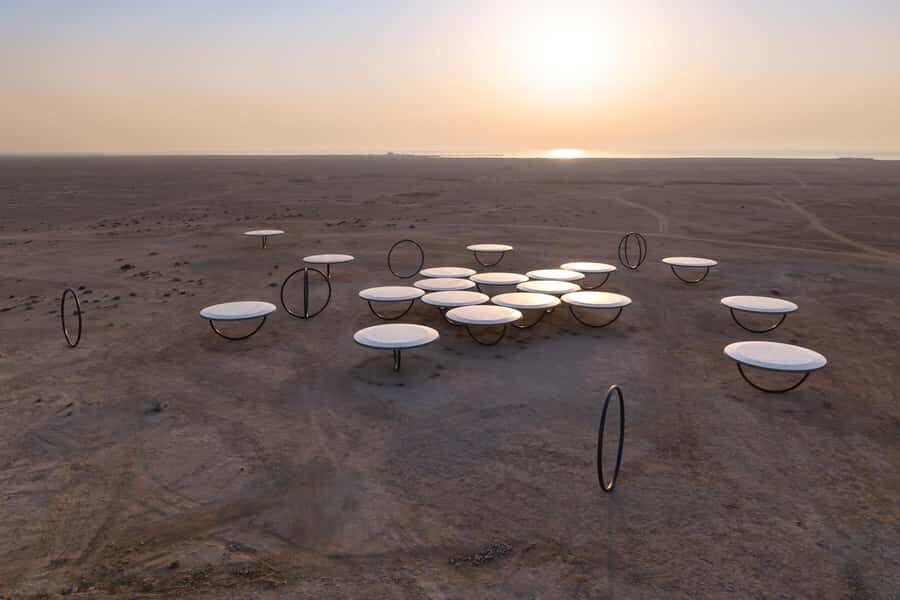
- Olafur Eliasson’s Shadows Travelling on the Sea of the Day, designed for desert daylight
- Jumail Abandoned Village, where you can photograph the Gulf from the edges of a former fishing community
- 4×4 comfort with bottle water/tea, useful when the sun and road both show up
- Small group of up to 6, which makes guide time feel personal
North Qatar in 4 Hours: How the Route Really Works
This is a classic Doha-to-north Qatar “see a lot, in a little time” tour. You’re picked up in Doha and taken in an air-conditioned 4×4 for about 75 minutes each way, with stop times that keep the day moving. The total duration is 4 hours, which means the value is in the careful sequencing: you won’t spend hours commuting between scattered sights.
Because the ride is a big chunk of the experience, I like that the itinerary is not just a list of addresses. The drive itself adds value—sandy dunes, desert plants, and stops along the way (including passing Ain Mohammed village). Even if you’re tempted to treat this as a quick transfer day, the tour is built around using that road time to set the mood for what comes next.
You’ll also be with a small group (up to 6). That matters more than it sounds. In a small group, you can ask questions, get help with photos, and keep your own pace without the whole schedule snapping to someone else’s pace.
You can also read our reviews of more tours and experiences in Al Ruwais.
Al Zubara Fort and City Ruins: UNESCO Context Before the Desert Art
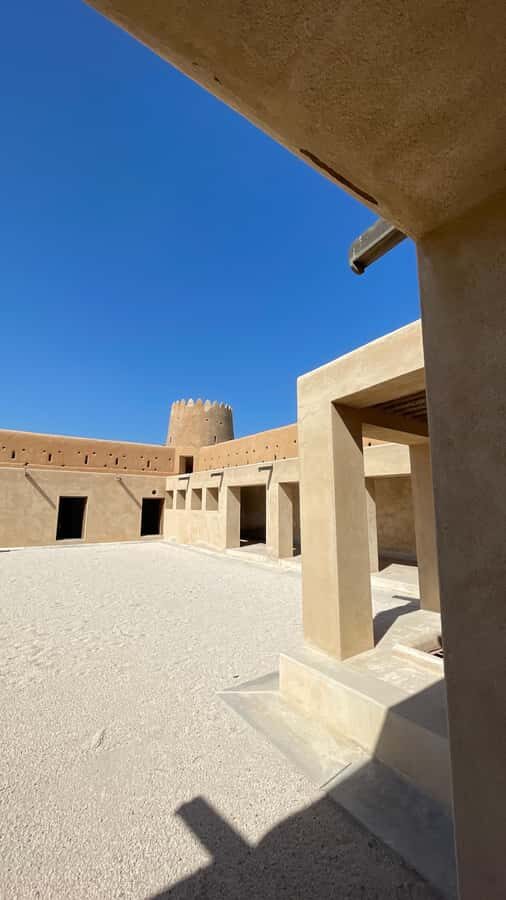
Your first major stop is Al Zubara Fort and the surrounding site, a UNESCO World Heritage location. You get a guided visit that’s short but structured—enough time to understand what you’re looking at and why it matters, without turning it into a lecture marathon.
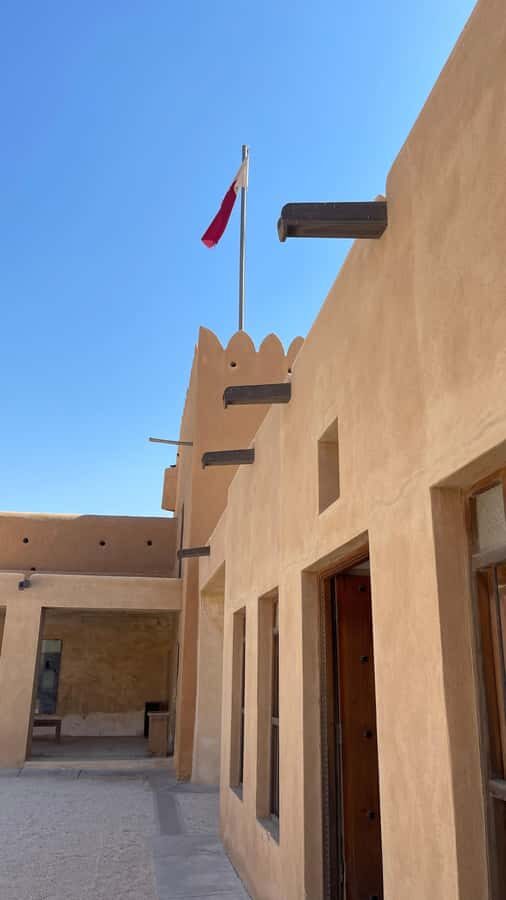
What makes Al Zubara Fort feel special is that it’s not a generic fortress view. It’s framed as a 20th-century fort in the Arabian style, which helps you picture how the place once functioned rather than just admiring the walls. If you’re the kind of traveler who likes meaning behind the stone, you’ll appreciate that your guide sets the scene as you walk through and look around.
Then there’s the Zubara City portion of the stop. You’ll see ruins where excavation is under process. That detail changes the vibe. Instead of thinking of ruins as fixed, you get reminded that archaeology is happening in real time—layers of a former city still being uncovered. It’s the difference between looking at the end result and catching a project mid-work.
Tip for your photos: stand back for a full view first, then circle for close shots. Fort sites are all about angles, and your best frames usually come when you step to the side and let the structure + open desert space share the picture.
Olafur Eliasson’s Shadows Travelling: Desert Light as Part of the Artwork
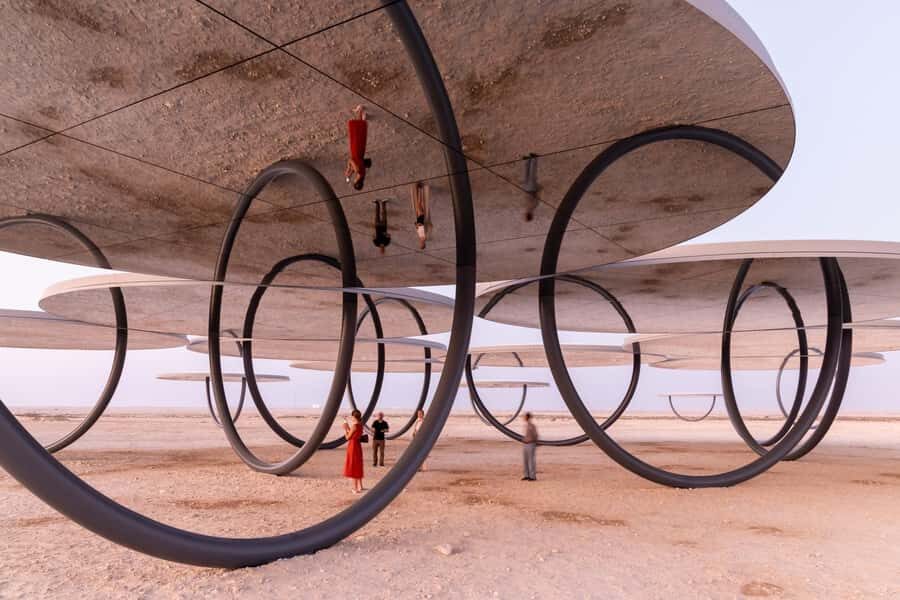
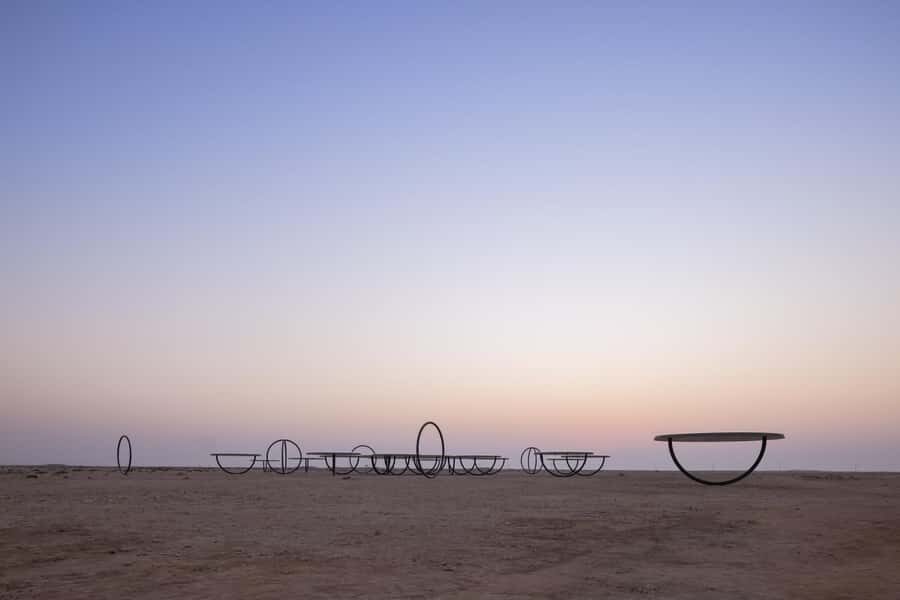
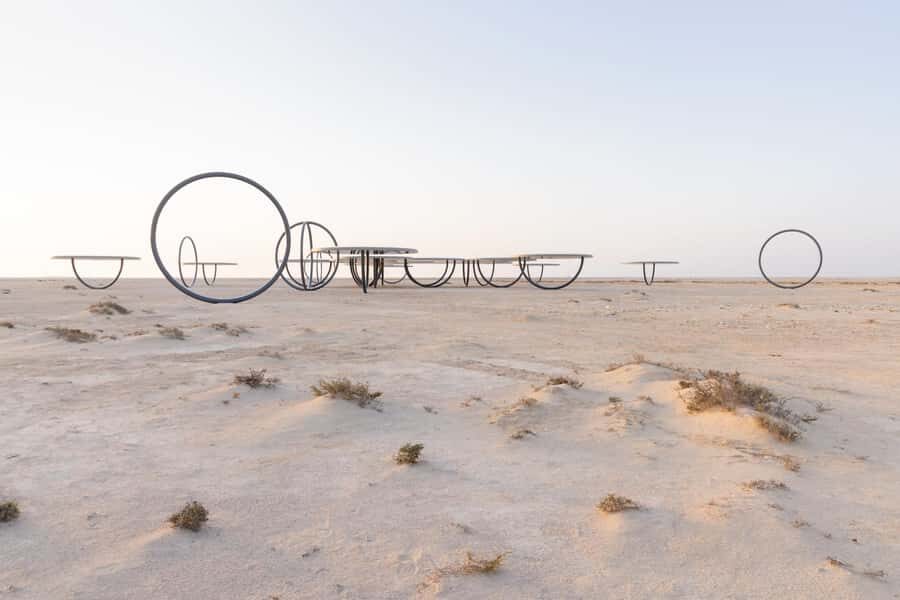
After the fort, the tour shifts gears into contemporary art with Olafur Eliasson’s installation, described as Shadows Travelling on the Sea of the Day. The exhibit is presented with a poetic Arabic title as well, and that pairing matters: this is a work that leans on atmosphere, not just objects.
You typically get about 30 minutes here, guided. That’s a good amount of time for this type of exhibit. Too short, and you only catch the headline idea. Too long, and the magic can start to fade as your brain switches into sightseeing mode. The tour’s pacing helps you stay present for what the piece is doing—especially how light and shadow interact with the desert setting.
What I like about this stop is that it’s introspective without being confusing. The guide’s job is to connect the installation to place: how the Gulf, the day’s changing light, and the surrounding environment shape what you experience. Reviews also underline this: the Olafur Eliasson exhibit is the most frequently loved part, with people saying it was their favorite and that the guide took time to capture photos whenever asked.
If you’re worried about “will I get it,” don’t overthink it. Even if you don’t read the symbolism perfectly, you can still enjoy what it does to your senses: it turns ordinary viewing into a slower act of noticing. That’s the kind of art you can take home as a memory, not just a picture.
Photo reality check: plan to shoot, then pause. The best results often come after you stop trying to chase the perfect angle. Let the guide point out what changes, then you’ll know what to photograph.
Jumail Abandoned Village: A Ghost Village with Real Sea Views
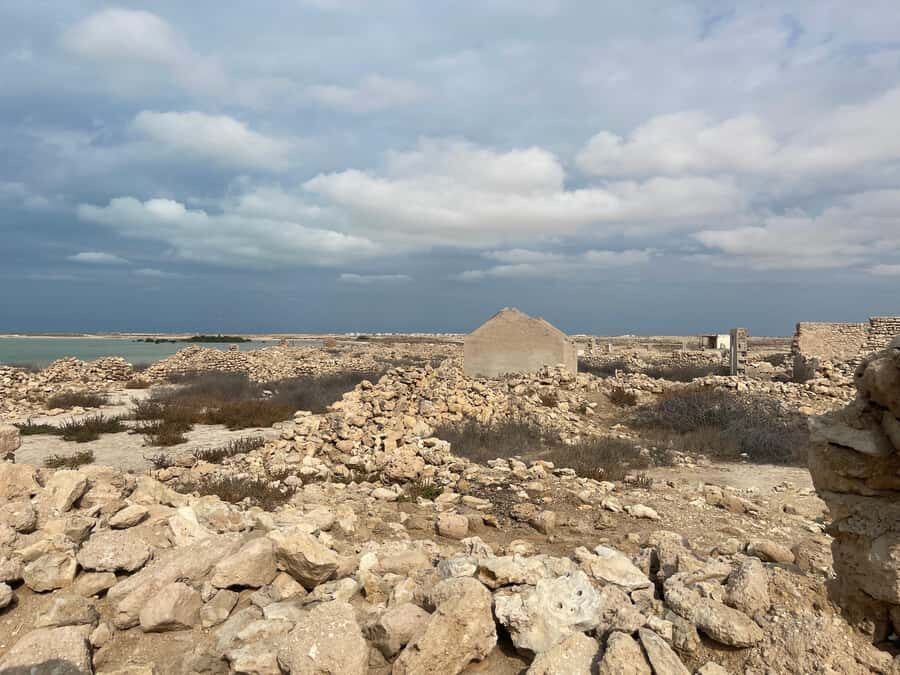
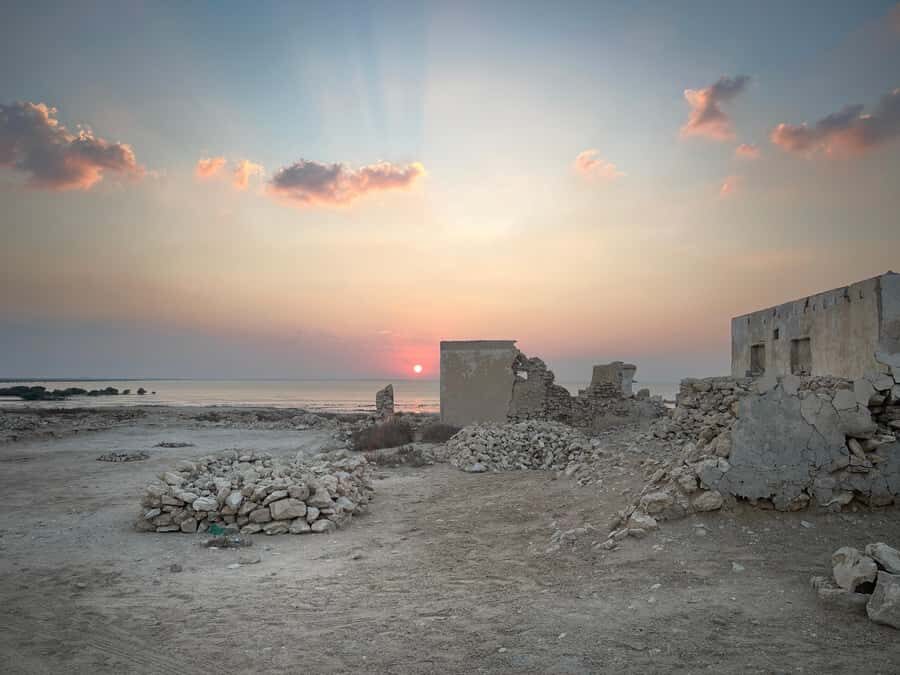
Next up is Jumail Abandoned Village—an abandoned settlement linked to a former fishing community. You’ll get a photo stop plus a guided visit, and the time window is again around 30 minutes.
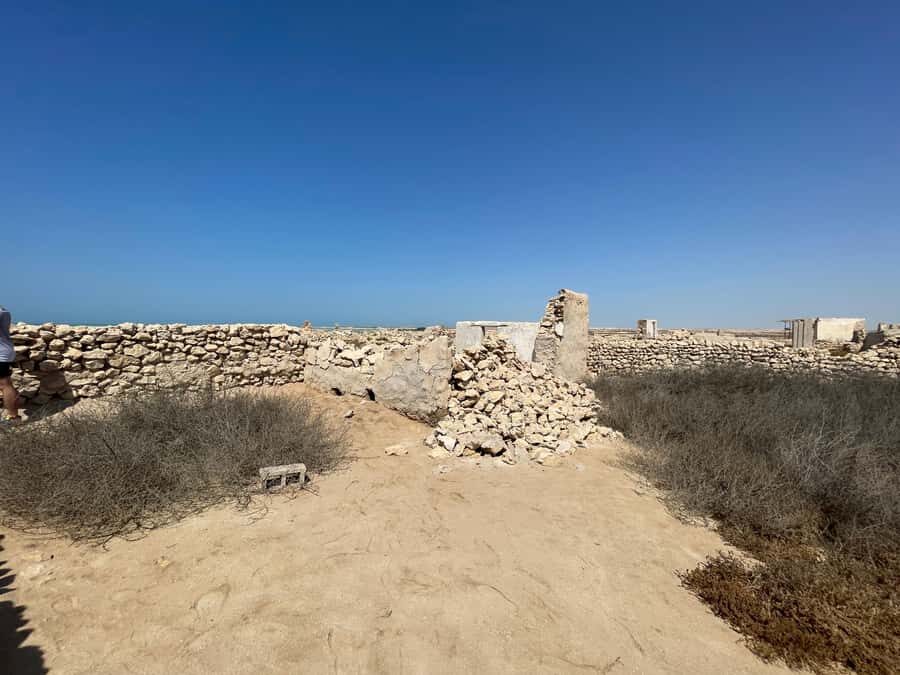
The standout feature here is the slow visual story of abandonment. You’ll see houses and walls that are turning into ruins by the passage of time. That sounds dramatic, but on the ground it’s more specific: textures soften, edges blur, and the built environment starts to look like it’s dissolving back into the landscape.
This is also where the Gulf shows up in a big way. One review highlights the Persian Gulf view from the ghost village as an absolute highlight. You can see why. The contrast is strong: a place that once depended on the sea now sits quiet near it, and the horizon does most of the emotional heavy lifting.
What I appreciate as a traveler is that this stop doesn’t feel like a theme park. It feels like you’re visiting a chapter of local life, not just a set of abandoned buildings. Your guide keeps the explanation grounded, and that makes the photos feel less like postcards and more like documentation.
Practical note: bring sunglasses and consider a hat. Even when the day feels comfortable, the glare can be intense around open water and exposed ruins.
Drive North: Dunes, Ain Mohammed Village, and Desert Plants
A big part of the value here is how the tour uses the drive. You’re not stuck staring out the window until the next stop. The route includes sandy dunes and passes Ain Mohammed village, plus desert plants along the way.
Why does this matter? Because it builds continuity. If you only visited forts and ruins, you’d get a history-focused day. If you only visited art, you’d get an art-focused day. The dunes and desert vegetation act like the glue, reminding you that these sites sit in a working environment shaped by sand, sun, and sea.
Also, the 4×4 matters. In north Qatar, a comfortable ride isn’t a luxury—it’s part of being able to enjoy the day when you step out at each stop. Air-conditioned transport helps you stay sharp enough to really take in the guided parts rather than just surviving them.
What You Get for $68: Value, Inclusions, and the Missing Piece
The price is listed at $68 per person for a 4-hour experience. For many Doha-based outings, the cost quickly rises when you start adding guided heritage stops, transport, and entry coordination. Here, the value is in the bundle: you get hotel pickup and drop-off, a certified guide, an air-conditioned 4×4, and bottled water/tea.
I also like that the tour notes skip the ticket line. That’s not exciting, but it saves time. When your schedule is already tight, avoiding waits can turn a “maybe” day into a “worked out” day.
The one clear miss is meals. There’s no meal included, so if you’re sensitive to hunger timing, plan a light snack before pickup or eat after you return to Doha. For a half-day, you don’t need to over-plan, but you do want to be realistic.
Who this offers the best value: people who want a guided day without spending time piecing logistics together—and people who enjoy both history and art rather than choosing one lane.
Guides, Group Size, and Photo Help: What the Experience Feels Like
Your tour is led by a licensed, certified guide, and it’s in English. The small group limit of up to 6 participants is not just for comfort—it supports flow. You’ll get to ask questions without waiting for the guide to come back into the center of a large crowd.
Reviews point to guide quality in a very practical way. Names like Arun, Amur, and Mozzi show up in feedback, and the themes are consistent: friendly explanations about Islam and Qatar, good photo assistance, and a pace that doesn’t leave you behind. One review specifically notes that the guide took photos whenever the person wanted, which is exactly the kind of small service that changes your satisfaction level.
If you’re traveling solo, that matters even more. A small group tour can feel surprisingly personal when the guide is attentive.
Quick self-check: if you hate group schedules, this isn’t the best fit. If you like guidance and structure, you’ll likely enjoy how the day stays organized.
Timing and Practical Tips for a Smooth Half-Day
You’ll be picked up in Doha, then ride for about 75 minutes to the north side. That’s followed by short guided segments—around 30 minutes each at Al Zubara Fort, the Olafur Eliasson installation, and Jumail Abandoned Village—plus driving time back.
That means your “real” time for photos and walking is concentrated. Don’t rely on having lots of spare time. Wear comfortable clothes and bring ID or a passport, since that’s what’s listed as required.
Also, double-check your expectations about the exhibit time. These are guided visits with set durations. If you’re the type who wants to linger for an hour in one spot, you may feel slightly constrained. Still, the structure is what keeps the tour from becoming a slow slog.
One more detail: the tour merges groups from different times on the same day. It doesn’t change what you’ll see, but it can affect the exact flow. Come in flexible, and you’ll have a smoother experience.
Who Should Book This North Qatar Tour
Book this if you want a focused taste of northern Qatar that mixes three distinct experiences:
- Heritage: Al Zubara Fort and the ongoing Zubara City excavation
- Art + atmosphere: Olafur Eliasson’s Shadows Travelling on the Sea of the Day
- On-the-ground feeling: Jumail Abandoned Village and its sea-horizon views
It’s also a strong option if you enjoy guided interpretation. You’re not just looking at old buildings or modern art; you’re getting explanations that tie each stop together.
If you’re only interested in one category—either strict archaeology or only contemporary art—then you might prefer a tour dedicated to that single theme. The strength of this one is the variety and the short, guided format.
Should You Book It?
Yes, if you want an efficient, guided half-day that earns its cost through variety: UNESCO context, a world-famous art installation in desert light, and a real abandoned fishing village with Gulf views. The small group size and consistently praised guide help (including photo support) make it feel smoother than many generic bus tours.
Skip it only if you dislike tight timing or you’re the type who needs long free time at every stop. Otherwise, this is the kind of day that gives you strong images and clearer context—without eating your whole weekend.
FAQ
How long is the tour?
The tour duration is 4 hours.
Where does the tour start and end?
Pickup and drop-off are in Doha.
What are the main stops on the itinerary?
You’ll visit Al Zubara Fort and the Zubara City area, the Olafur Eliasson installation, and the Jumail Abandoned Village.
Is the tour guided, and what language is it in?
Yes. It includes a live English-speaking guide.
Is transportation included?
Yes. The tour includes an air-conditioned 4×4 vehicle.
What should I bring?
Bring your passport or ID card, and wear comfortable clothes.
Is food included?
No meal is included. Bottled water/tea is provided.