REVIEW · DOHA
North and West of Qatar Full Day Private Tour
Book on Viator →Operated by Wanderlust Tourism · Bookable on Viator
Qatar’s north and west in one packed day. I love how this tour mixes UNESCO archaeology at Al Zubarah Fort with big-views Zekreet desert scenery. You get a guided flow through harbors, mangroves, forts, rock formations, and even a major modern-art stop.
The biggest plus for me is the human side: the route is busy, but the guide’s narration is part of the value, and it matters when conditions change. One example from a past group was Nazzi doing his best to keep everything moving and make sure they still saw plenty when the weather turned nasty.
One consideration: you’ll be outside at multiple stops, so if you’re traveling in cooler or wet weather, pack for wind and rain, not just sun.
In This Review
- Key things you’ll notice
- What you’ll see: archaeology, forts, and desert art
- Car time and pacing from Doha to the far west
- Al Khor and Al Thakira: harbor life and mangroves
- Al Zubarah Fort: UNESCO ruins with active excavation
- Purple Island to Ash-Shahaniyah: the day turns west
- Zekreet Peninsula: fort views, umbrella rock photos, and wind-carved limestone
- Richard Serra’s East-West/West-East: modern art in an empty desert
- Price and value: is $140 per person worth it?
- Should you book this North and West Qatar tour?
- FAQ
- How long is the North and West of Qatar full-day private tour?
- Is this tour private or shared with other groups?
- Do you offer pickup from Doha?
- Are admission tickets included for the stops?
- What’s included in the tour?
- Is a meal included?
- What level of physical fitness do I need?
- What are the major highlights on the route?
- Is the Richard Serra sculpture stop included?
- What is the cancellation policy?
Key things you’ll notice
- Al Zubarah Fort (UNESCO) with time to take in the archaeological site and renovated exhibits
- Mangrove country at Al Thakira and the bird-and-wildlife side of coastal Qatar
- Purple Island (Bin Ghannam Island) for striking natural scenery near Al Khor
- Shahaniyah camel track where you can watch camels training (when schedules allow)
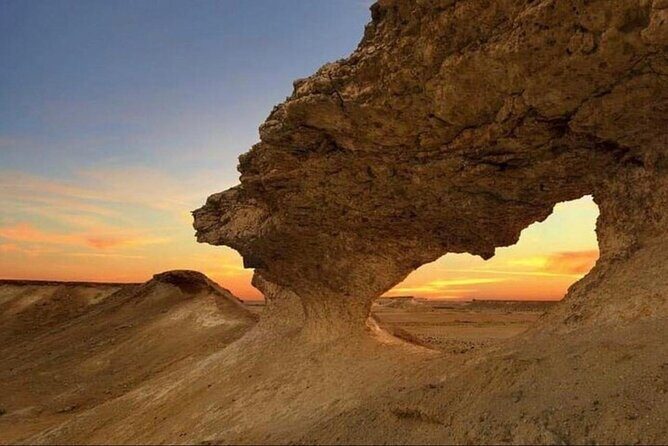
- Zekreet Rock Formation and photo-friendly limestone dunes and cliffs
- Richard Serra’s East-West/West-East sculpture installation in Brouq Nature Reserve
What you’ll see: archaeology, forts, and desert art
This is the kind of Qatar day that makes the country feel bigger than you expect. You start near Doha, then stretch north into Al Khor and the mangrove belt, before swinging west to the Zekreet Peninsula. Along the way, the tour keeps switching “modes”: working harbor life, environmental stops, UNESCO ruins, and then open desert.
I also like that the highlights are spread out in a practical way. You’re not just getting one museum and then racing to a single viewpoint. The UNESCO stop at Al Zubarah Fort is paired with outdoor time at Zekreet and a surreal modern-art moment by Richard Serra in the desert.
There are two types of travelers who tend to enjoy this most. If you like architecture plus wild scenery, you’re in the right place. If you prefer a slow, lounge-by-the-pool day, this can feel like a lot, because you’re moving across the north and west in a single push.
You can also read our reviews of more private tours in Doha


Car time and pacing from Doha to the far west
The tour runs about 6 to 8 hours, depending on road conditions and how the day goes. You’ll get pickup in Doha and ride in an air-conditioned private vehicle. That matters in Qatar. Even when you’re not walking far, the heat can drain you, and the comfort helps you keep your energy for the viewpoints.
You’re also working with tight stop times—many stops are around 30 to 45 minutes, with about 1 hour at Al Zubarah Fort and time set aside for Zekreet and the Serra sculpture. That pacing is why this tour works as a sampler platter of North and West Qatar: you get enough time at each place to understand it, but you’re not tied down for long hikes.
One practical tip: this route is easiest if you’re okay with a day that includes some waiting while the group regroups. You’ll also want to stay flexible about weather. If it’s cold, rainy, or windy, the day still goes on—you’ll just want to dress for the outdoors.
Al Khor and Al Thakira: harbor life and mangroves
The day starts with a Doha orientation/pickup window (you get about 45 minutes there). In practice, this is the time to settle in, meet your driver/guide, and get a quick sense of the route—then the real drive begins north.
Next is Al Khor, about 50 kilometers north of Doha. It’s smaller than Doha but older, and it still carries the story of Qatar’s pearling days. You’ll be near the harbor where traditional fishing dhows can be seen, and the corniche leads toward mangrove forests. There’s also a museum stop built around fishing, pearling, and dhow-building heritage, and the tour schedule lists free admission for this stop.
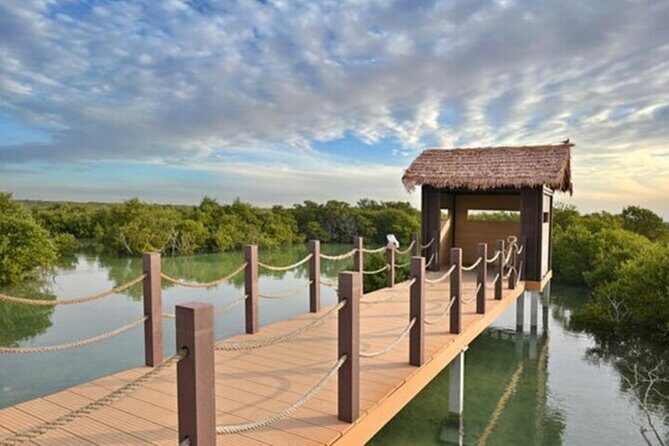
From there you head to Al Thakhira Beach, where the focus shifts from culture to ecology. The mangroves here aren’t just scenery. They function as habitat and refuge for birds and marine life, and they help protect the coast from erosion. If you care about how places survive in harsh climates, this is one of the most meaningful stops because it shows an ecosystem doing real work.
Then comes Purple Island (Bin Ghannam Island), also called Purple Island. The tour schedule suggests about 30 minutes here, and the point is natural drama: unique wildlife, vibrant plant life, and scenery that looks striking in photos. It’s close to Al Khor, but still feels like a different pocket of Qatar.
Best way to enjoy this section: keep your phone charged and your eyes open for details. Mangroves, harbors, and islands aren’t “buildings you photograph.” They’re motion and texture—boats, birds, and the way the shoreline breaks up the land.
Al Zubarah Fort: UNESCO ruins with active excavation
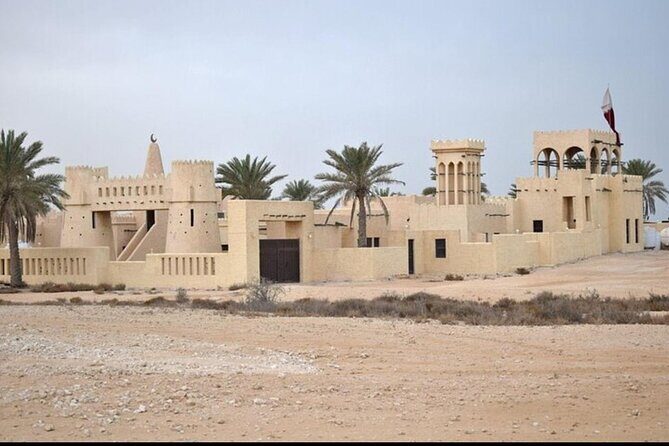
This is the anchor stop of the whole day. Al Zubarah Fort is tied to Qatar’s early trade and pearling port era, and today it’s a UNESCO World Heritage site. The tour description also notes ongoing excavations by archaeologists, which is important: you’re not just looking at something frozen in time. The site is still being studied and preserved.
You’ll spend about 1 hour here, with free admission listed. In that time, you can walk through the fort area, read the context, and see how the heritage has been handled through renovated structures. The value is that you’re getting a guided route through meaning, not just standing in front of old stones.
There’s also a second layer to this stop: it helps you understand why Qatar’s north is such a big deal historically. When you pair Al Zubarah with the earlier harbor and pearling stories in Al Khor, the whole day starts to click. It becomes less of a checklist and more of a single narrative about trade, settlement, and the coast.
One drawback to consider: this UNESCO stop is worth slowing down for photos and reading, but the tour schedule is time-tight overall. If you’re a heavy photographer, you might spend your time more at the edges—getting wide shots outside, then returning to look at details briefly inside.
Purple Island to Ash-Shahaniyah: the day turns west
After Al Zubarah Fort, the route shifts toward more inland, desert-leaning scenery. There’s a stop labeled Al Jumail with about 30 minutes. The tour notes connect it to the broader historical story of harbors, pearl diving, and the mangrove corridor. Since details at each stop are brief, your best bet here is to treat it as a transition point: a chance to get context and reset before the desert area.
Then you reach Ash-Shahaniyah (about 45 minutes). This is one of those “you’ll know it when you’re there” segments where you’re not just moving from A to B. Expect it to work as a regional pause before the camel track area. The time buffer also matters because the next stop is more specific.
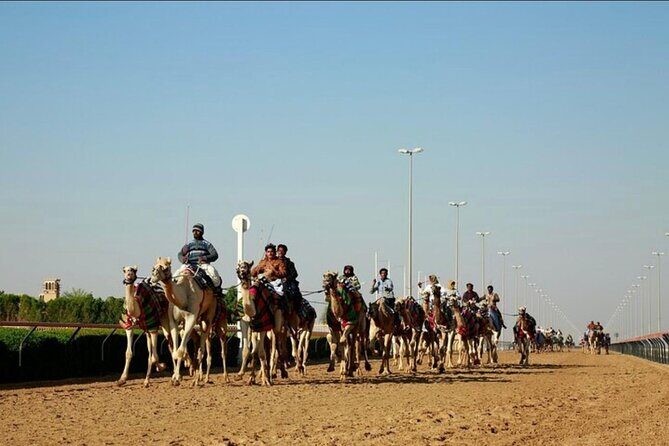
Next: Shahaniyah Camel Race Track, with about 30 minutes. The tour focuses on viewing the track while camels are under training. That’s the kind of cultural detail that doesn’t show up in every Qatar itinerary, and it’s a good fit for travelers who like to see daily rhythms of a place, not only monuments.
If you’re sensitive to animal-focused viewing, use your discretion and keep expectations realistic. You’re not promised a dramatic event—this is about training and seeing the track activity.
A few more Doha tours and experiences worth a look


Zekreet Peninsula: fort views, umbrella rock photos, and wind-carved limestone
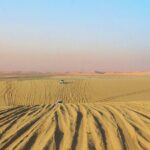
Once you reach Zekreet (about 40 minutes), the mood shifts hard—from coastal ecology and ruins to wide-open dune country. Zekreet is tied to 18th-century charm and includes Zekreet Fort in the tour overview, plus famous photography points like the umbrella-shaped rock formation.
You’ll also get another stop specifically for Zekreet Rock Formation (about 30 minutes). This is a natural site of limestone formations shaped by wind and erosion, with dramatic cliffs and unusual rock shapes. In other words: it’s built for photos, and it’s also built for wandering with your head tilted up.
Here’s how I’d manage the time: take your wide shots first (the big shapes), then spend a bit of your remaining time looking for smaller textures—edges, shadows, and the way erosion creates layers. In desert light, those details can look like something you’d swear was engineered.
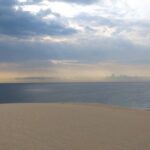
Also, keep an eye on the sky. On clear days, the tour overview mentions you might even spot Bahrain from the Al Shamal area. That won’t be guaranteed, but it’s the kind of “if conditions cooperate, you’ll remember it forever” add-on that makes a north-and-west day feel special.
One more practical note: this part of Qatar can feel windy. Hold onto hats, watch for loose sand around your feet, and wear shoes you can walk in comfortably. You don’t need hiking boots, but you do need traction.
Richard Serra’s East-West/West-East: modern art in an empty desert
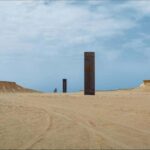
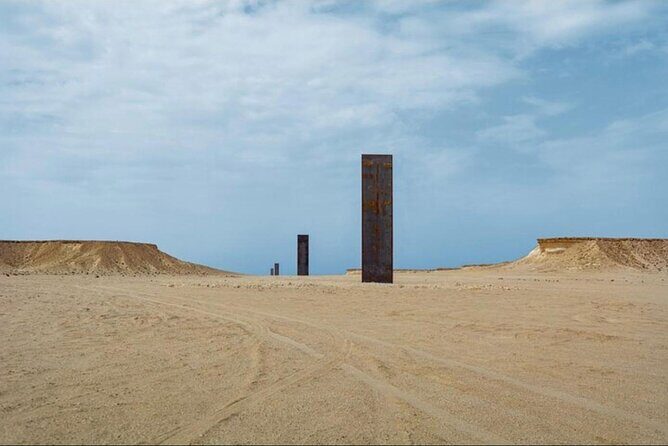
The stop that surprised me conceptually is East-West / West-East by Richard Serra in the Brouq Nature Reserve. You’ll have about 30 minutes here, and it’s designed for a specific kind of viewing.
The sculpture consists of four steel plates, each towering over 14 meters high, stretching over a kilometer. The tour notes that Serra studied the land’s topography for precise alignment, so the art isn’t just dropped into the desert. It’s set up to make you notice scale and distance—how the plates relate to the barren ground and how your own position changes what you see.
This is one of those experiences where you’ll get more out of it if you don’t rush. Even with a limited time window, pause a few times: stand back for the full span, then move laterally so the perspective shifts. In plain terms, it’s a place where moving your feet changes the whole scene.
Also, it’s a good counterbalance to the day’s older sights. You go from UNESCO archaeology to wind-carved rock to modern industrial steel—same country, totally different creative language.
Price and value: is $140 per person worth it?
The price is $140 per person, and it’s sold as a private tour with just your group. That can make it feel like a deal or a splurge, depending on who you’re traveling with and what you want from your time.
Here’s the value math I’d use:
- You get a private air-conditioned vehicle, plus tea and bottled water.
- The schedule lists free admission at each stop.
- You’re covering multiple “signature” areas in one day: Al Khor, mangroves, Purple Island, UNESCO Al Zubarah Fort, Zekreet, and the Serra installation.
Where the cost can feel less justified is when you’re the type who wants slow, long stays, or when you’re visiting during rough weather. The tour structure is designed for seeing a lot efficiently. If the weather is bad, you still do the same stops—you just might enjoy them less if you’re not dressed right.
One important “not included” item: there’s no meal. You’ll want to plan snacks or a light meal on your own before or after. With stop times that stay tight, going hungry is the quickest way to make the day feel harder than it needs to be.
What I’d pack for comfort:
- Layers (especially if it’s cool, windy, or rainy)
- Water bottle refill options if available, but you will have bottled water on the tour
- A light snack for the gaps
- Comfortable closed-toe shoes for uneven ground around rock formations
- A camera strap or secure bag for breezy moments
Should you book this North and West Qatar tour?
I’d book this if your ideal Qatar day includes a mix of UNESCO heritage, coastal ecology, desert scenery, and a standout art stop—and you don’t mind moving at a steady pace. It’s a good fit for couples and small groups who want privacy without losing the benefits of an organized route.
I’d skip or rethink it if you want lots of free time at each location, or if you’re traveling with someone who struggles with stepping outside in cool or windy weather. And because there’s no meal included, it’s also not the right choice if you forget snacks easily.
If you do book, do it with one mindset: this is a “story of northern and western Qatar” day. When you view it that way, the fast stop times make sense.
FAQ
How long is the North and West of Qatar full-day private tour?
It runs about 6 to 8 hours.
Is this tour private or shared with other groups?
It’s private. Only your group participates.
Do you offer pickup from Doha?
Yes, pickup is offered.
Are admission tickets included for the stops?
The itinerary lists admission tickets as free for the stops.
What’s included in the tour?
It includes a private, air-conditioned vehicle, plus tea and bottled water.
Is a meal included?
No, meals are not included.
What level of physical fitness do I need?
The tour calls for a moderate physical fitness level.
What are the major highlights on the route?
You’ll see Al Khor, Al Thakhira Beach (mangroves), Purple Island (Bin Ghannam Island), Al Zubara Fort, Shahaniyah Camel Race Track, Zekreet (including Zekreet Rock Formation), and the Richard Serra sculpture East-West/West-East.
Is the Richard Serra sculpture stop included?
Yes. The itinerary includes East-West / West-East by Richard Serra at Brouq Nature Reserve.
What is the cancellation policy?
Free cancellation is available up to 24 hours in advance for a full refund. If you cancel less than 24 hours before the start time, the amount paid is not refunded.
You Might Also Enjoy
More Private Tours in Doha

More Tours in Doha



More Tour Reviews in Doha
- Qatar Gold Dune Safari, Dune Bashing,Camel Ride,Sand Boarding,Inland Sea Desert
★ 5.0 · 2,807 reviews