REVIEW · DOHA
Doha-Qatar North Tour, Zubara Fort, Mangroves, purple island
Book on GetYourGuide →Operated by GULF DESERT ROSE & TOURISM SERVICES. · Bookable on GetYourGuide
North Qatar hits different when you go step by step. I really liked the contrast between Al Zubara Fort and the calm Al Thakira mangroves. I also love that this isn’t just sightseeing from a car: you get guided time at each place, including a UNESCO World Heritage stop and a walk through an abandoned traditional village. One heads-up: it’s a tight 4.5-hour loop, so you’ll want to manage expectations around time at each site, especially if you’re sensitive to sun and heat.
The tour runs from Doha in a private SUV with hotel-style pickup and drop-off across Doha, plus a certified guide speaking English, Hindi, or Arabic. At $71 per person, it’s a good value if you want a planned day without the hassle of piecing together transport and guiding yourself.
In This Review
- Quick hits: what you get on this North Qatar loop
- Al Khor Harbour: start where pearl-era work shaped the coast
- Al Thakira mangroves and Purple Island: nature stops that don’t feel random
- Zubara Fort (UNESCO): the walls that explain the region
- Al Jumail abandoned village: a quiet walk with real emotional impact
- The Doha drive: how the 270 minutes add up
- Price and value: what $71 per person really buys you
- Choosing a guide: how to get the most from the stories
- Should you book this North Qatar tour?
- FAQ
- FAQ
- How long is the Doha to North Qatar tour?
- Is pickup and drop-off in Doha included?
- Is this a private tour?
- What vehicle is used?
- Which places are visited during the tour?
- How much guided time is there at each stop?
- What languages are available for the tour guide?
- Is WiFi available during the tour?
- Is food or alcohol included?
- What ID do I need to bring?
- Is the tour wheelchair accessible?
Quick hits: what you get on this North Qatar loop
- Al Khor Harbour: a look at Qatar’s old pearl-and-fishing work life, where dhow boats share space with modern craft
- Al Thakira mangroves: one of the country’s largest mangrove forests, with wildlife and a cooler feel than the open desert
- Purple Island: linked to the mangroves area and known for an interesting historical role, often tied to dye production
- Zubara Fort (UNESCO): typical Arab fort architecture plus stories about trade and archaeology
- Al Jumail abandoned village: ruins that help you picture how people once lived here, especially around sea-based work
Al Khor Harbour: start where pearl-era work shaped the coast
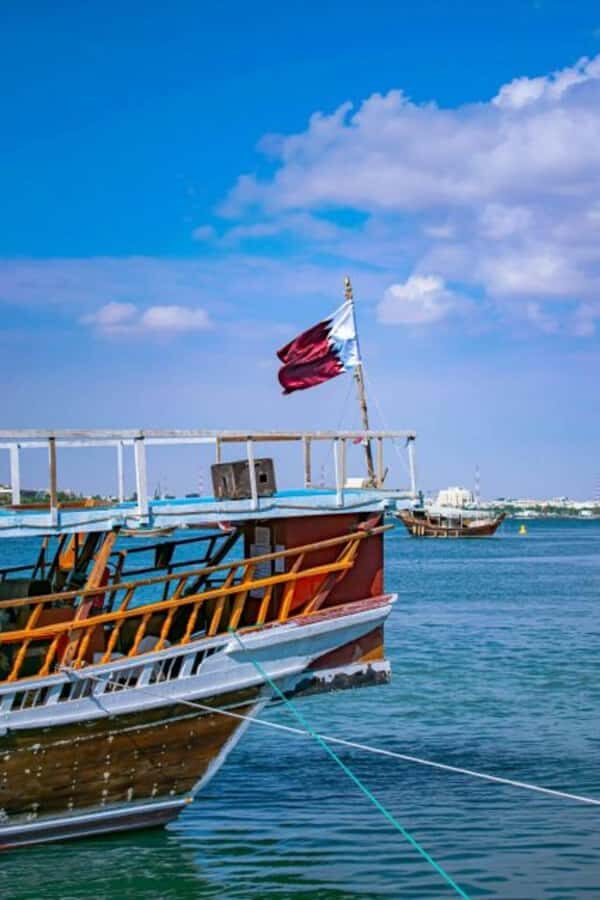
If you’re curious how Qatar’s northern coast became what it is, Al Khor Harbour is the right first stop. This harbor was historically central for fishing and pearl-related livelihoods, and it still feels like a working waterfront rather than a museum set.
You’ll get guided time (about 35 minutes) to take in the mix of old and new. The tour highlights the dhow boats used in the past, but you’ll also see present-day boats in the same area, which makes the harbor feel real instead of frozen in time. It’s also an easier photo stop than some viewpoints, since you can frame boats, water, and waterfront buildings without needing long walks.
Practical tip: give yourself a few minutes to slow down and watch. Even if you’re not into boats, the harbor’s rhythm helps the rest of the day make sense—Fort Zubara and the abandoned village land better when you’ve just seen where the economy of old Qatar played out.
You can also read our reviews of more tours and experiences in Doha.



Al Thakira mangroves and Purple Island: nature stops that don’t feel random
After the harbor, you’ll head to the Al Thakira Mangroves Forest, described as one of the largest and oldest mangrove forests in Qatar. This is the part of the tour where the pace naturally cools down. With guided time of about 35 minutes, you’re not just passing by—you’re stopping long enough to notice the ecosystem around you.
Mangroves matter because they’re not empty scenery. The tour information stresses that the forest is home to many animals, and in practice that can mean you’ll spot birds and other life if conditions are right. Even when you don’t get dramatic wildlife views, you still get a different kind of coastal feel: greener, quieter, and oddly calming compared with the desert drive.
Next comes Purple Island. This stop is close to the mangroves area, and the guide adds the historical angle: one of the strongest details from experience reports is Purple Island’s association with dye production. That kind of story makes a photo stop feel earned. You’re not just chasing a color-themed name—you’re learning how people once used coastal resources in very practical ways.
What to consider: mangrove areas can be hot and bright, even if they feel cooler than the open desert. Wear sun protection and bring a small layer if you get chilly in the SUV right after.
Zubara Fort (UNESCO): the walls that explain the region
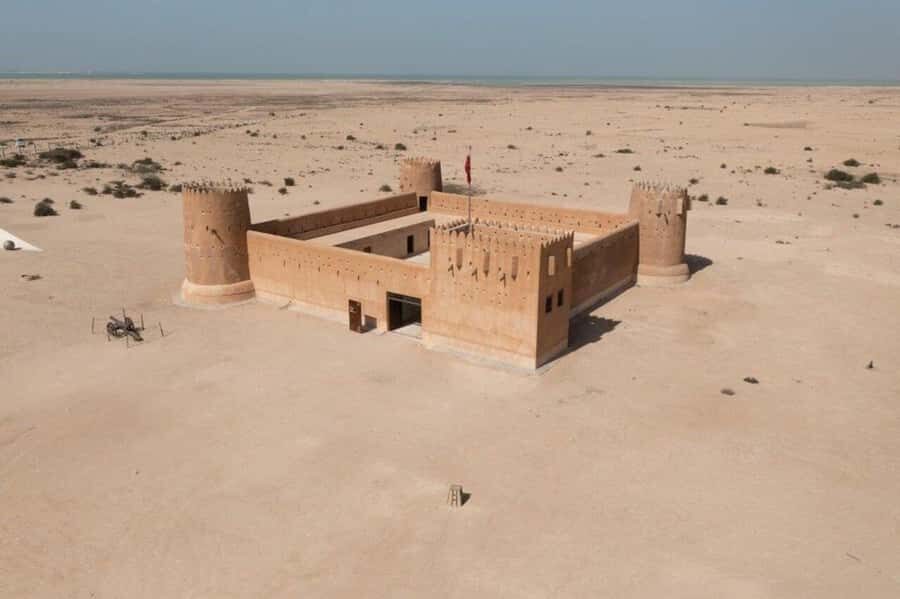
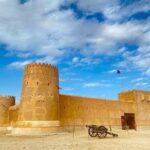
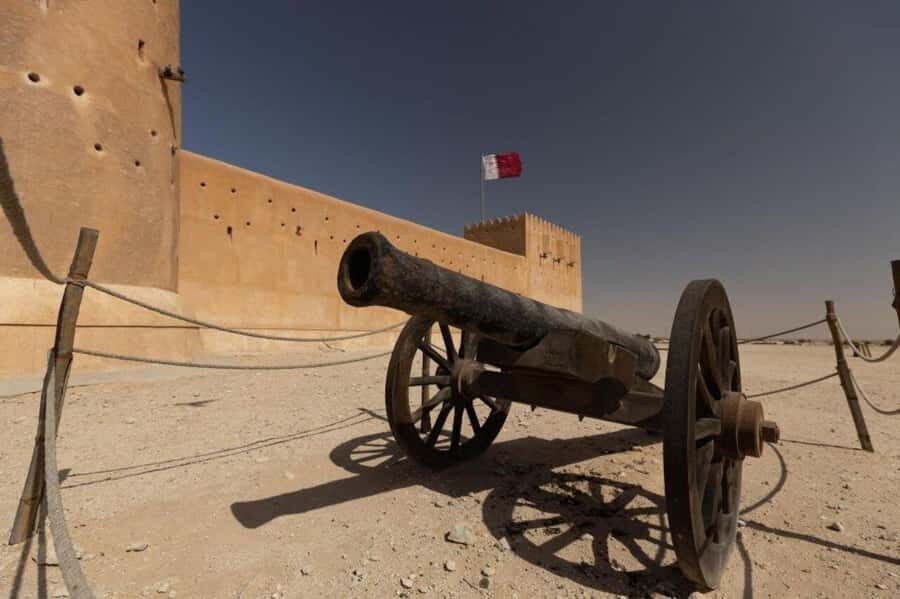
Zubara Fort is the day’s big history anchor, and it comes with extra weight because it’s a UNESCO World Heritage site. You’ll spend about 65 minutes here, which is long enough for the fort to move from impressive to understandable—especially with a good guide who can translate architecture into a story.
This place is described as a perfect example of typical Arab forts in its region. Translation: you’re looking at a defensive-style structure built for a purpose, not a decorative castle. The guided focus helps connect that design to how the area functioned in earlier centuries, including when and how Zubara became an archaeological site. If you care about the why behind the stones, you’ll appreciate the time.
Several guides on this route are praised for storytelling and for pointing out viewpoints. In real terms, that means you’ll spend less time guessing what you’re seeing and more time understanding how the fort fit into trade and regional movement. It also helps if you like photos, because the fort’s height and surrounding views can give you that “Qatar beyond Doha” perspective.
Possible drawback: forts are still forts—if you’re visiting during the hottest part of the day, you may find the sun unforgiving. The schedule helps, but you should still dress with coverage and plan to take breaks.
Al Jumail abandoned village: a quiet walk with real emotional impact
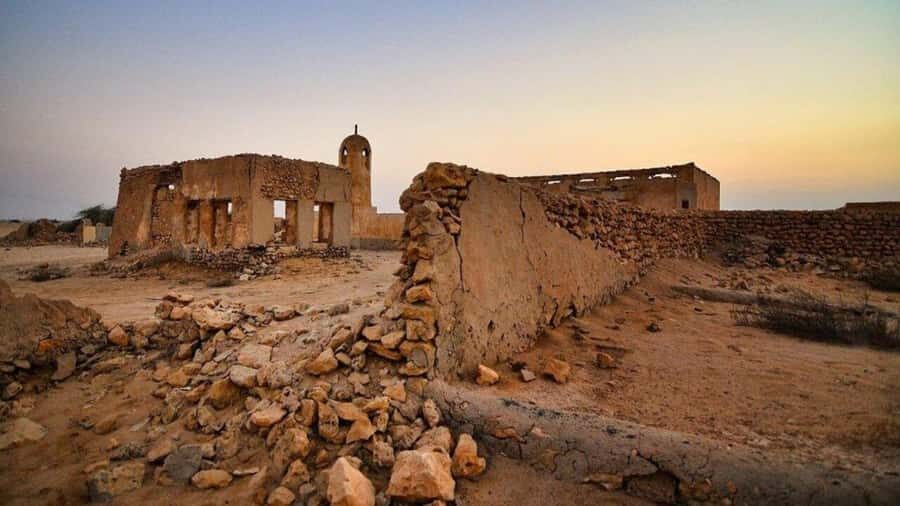
After Zubara Fort, you’ll visit Al Jumail Abandoned Village, described as an old traditional Qatari village linked to the Zubara area. The tone here shifts from fortified history to everyday life, which is a great change of pace.
You’ll have about 35 minutes guided here. The experience is essentially walking through ruins and listening to what the site represents—an abandoned fishing village that helps you picture how people lived, worked, and organized community life when sea-based livelihoods were central.
What makes this stop especially memorable is how the ruins get contextualized. Strong guidance turns leftover walls into a place with rhythm: where daily tasks likely happened, how the community tied to the coast, and why the village matters to Qatar’s broader story. If you’re traveling with kids, this is often the part that sparks questions, because the “before and after” feeling is easy to grasp.
Practical tip: this is a heritage site, so wear modest clothing and comfortable shoes. One of the most practical suggestions from experience reports is to pack for modesty because you might stop for snacks or drinks along the way. Even if you skip snacks, modest coverage still makes the day easier.
The Doha drive: how the 270 minutes add up
This is a half-day outing with a very specific timing structure—about 270 minutes total. The SUV time is roughly 35 minutes each way, plus guided time at each location. That’s why the itinerary feels tight but doable.
Here’s how it usually plays in your head:
- Doha to Al Khor: you start with drive time so you don’t waste the morning assembling logistics
- Al Khor Harbour: guided stop to set historical context
- Al Thakira mangroves + Purple Island: two nature-and-culture stops that break up the day
- Zubara Fort: the longest guided portion
- Al Jumail: a shorter guided walk that lands emotionally
Why this matters: you get variety without committing to a full day. If you only have a limited window in Doha but still want more than the city, this format works well. If you want slow travel with long unhurried hours, you might feel the schedule is compact.
Comfort notes based on what’s included: you’ll be in a private newly SUV with WiFi on board and refreshments. That’s helpful because you’re doing multiple stops back-to-back, and the drive segments can feel long if you’re stuck without water or a way to stay comfortable.




Price and value: what $71 per person really buys you
At $71 per person, this tour can be a strong value when you consider what’s included versus what it would cost to do parts separately. You’re getting:
- pickup and drop-off across Doha
- a certified guide in English, Hindi, or Arabic
- a private SUV
- insurance
- refreshments
- WiFi on board
The big trade-off is also clear: food isn’t included, and alcohol isn’t included. So if you know you’ll want a proper meal during the day, plan for it. The schedule might not give you long enough at each stop to treat it like a full meal break.
Who wins with this pricing:
- families who want one guide and one set plan
- history-and-nature travelers who don’t want to juggle directions
- anyone who prefers private transport over public schedules
Who might pause:
- people who already have their own car and don’t care about guided explanations might find it less cost-efficient
- people who want more free time at a single site (instead of a “best-of North Qatar” route)
Choosing a guide: how to get the most from the stories

One of the quiet strengths of this tour is that guides vary, but the praise patterns are consistent: people highlight guides who are patient, friendly, and good at answering questions. Names mentioned in experience reports include Ali, Arum, Huzaifa, Muzzi, Muhammad, Anwar, and Bashaar—so you may encounter one of them depending on the day.
How you can use that:
- If you care about history, ask how trade and coastal livelihoods connected to the fort and the settlements. This tour is built for that kind of explanation.
- If you care about photos, ask for the best viewpoints at Zubara Fort and quiet angles near the harbor. Several guides are praised for knowing where to stand.
- If you’re traveling with kids or teens, ask the guide to tailor the storytelling. The pacing is designed to keep everyone engaged.
Also, you don’t need to be an expert. Guides here seem to do well with beginners—helping you understand what you’re looking at without turning it into a lecture.
Should you book this North Qatar tour?
Book it if you want a smart way to see North Qatar in one compact outing: Al Khor Harbour sets the economic story, Al Thakira mangroves slows the day with nature, Purple Island adds an unexpected historical angle, Zubara Fort gives you UNESCO-level architecture and context, and Al Jumail leaves you with a human-scale view of the past.
Skip or reconsider if you hate tight schedules, need lots of free time to wander, or you’re mainly chasing one single destination rather than a “best of the north” blend.
If you’re visiting from Doha and want more than city sights, this route is a practical, meaningful way to spend half a day—and it’s the kind of itinerary that tends to make Qatar feel bigger than you expected.
FAQ
FAQ
How long is the Doha to North Qatar tour?
The total duration is 270 minutes, so think of it as about half a day.
Is pickup and drop-off in Doha included?
Yes. Pickup and drop-off are included, and it’s available all over Doha.
Is this a private tour?
Yes, it’s a private group tour.
What vehicle is used?
You’ll travel in a private newly SUV.
Which places are visited during the tour?
You’ll visit Al Khor Harbour, Al Thakira Mangroves Forest, Purple Island, Al Zubara Fort, and Al Jumail Abandoned Village.
How much guided time is there at each stop?
The tour provides guided time at each location: Al Khor Harbour (35 minutes), Al Thakira Mangroves Forest (35 minutes), Purple Island (35 minutes), Al Zubara Fort (65 minutes), and Al Jumail Abandoned Village (35 minutes), with SUV time segments as well.
What languages are available for the tour guide?
The tour guide is available in Arabic, English, and Hindi.
Is WiFi available during the tour?
Yes, WiFi is available on board.
Is food or alcohol included?
Refreshments are included, but food and alcohol are not included.
What ID do I need to bring?
Bring a passport or an ID card (a copy is accepted).
Is the tour wheelchair accessible?
Yes, the tour is listed as wheelchair accessible.
You Might Also Enjoy


More Tours in Doha


More Tour Reviews in Doha
- Qatar Gold Dune Safari, Dune Bashing,Camel Ride,Sand Boarding,Inland Sea Desert
★ 5.0 · 2,807 reviews