REVIEW · DOHA
Doha: North Qatar Tour, Mangroves, & Zubara Fort and purple
Book on GetYourGuide →Operated by Oryx Tourism Qatar · Bookable on GetYourGuide
North Qatar has a way of slowing you down fast. This 4-hour guided outing strings together UNESCO Al Zubara Fort, coastal photo stops, and a quiet mangrove walk where you can watch birds in real time. It’s a straight shot north, with pickup and drop-off, so you spend less time figuring out logistics and more time looking around.
I like two things most: the mix of culture and nature in one loop, and the fact that the guide keeps the day understandable without turning it into a lecture. In feedback, guides such as Adil, Anwar, Sajid, and Abood are repeatedly praised for explaining what you’re seeing and keeping the pacing easy.
One consideration: you might get wet during the mangrove portion, and while the listing says wheelchair accessible, it also notes it’s not suitable for people with mobility impairments. So if mobility is a concern, check with the operator before you go.
In This Review
- Key highlights you’ll feel immediately
- North Qatar: why it’s a real change of pace from Doha
- Getting picked up and getting oriented in Al Khor
- Purple Island: quick photos, real coastal mood
- UNESCO Al Zubara Fort: coastal defense that you can actually picture
- Al Thakira mangroves: birdwatching with room to breathe
- Jumail Abandoned Village: quiet atmosphere, short and guided
- Time and logistics: 4 hours that actually feel doable
- Price value: what $40 buys you (and what it doesn’t)
- What to bring and how to stay comfortable
- Who should book this North Qatar loop?
- Should you book this tour?
- FAQ
- How long is the North Qatar tour?
- Where does the tour start?
- What stops are included?
- Is birdwatching included?
- Are meals included in the price?
- What should I bring?
- Will I get wet during the tour?
- Are touching plants allowed?
- Is the tour suitable for people with mobility impairments?
Key highlights you’ll feel immediately
- UNESCO Al Zubara Fort: Arab coastal fort design plus exhibits and defense context in a guided visit
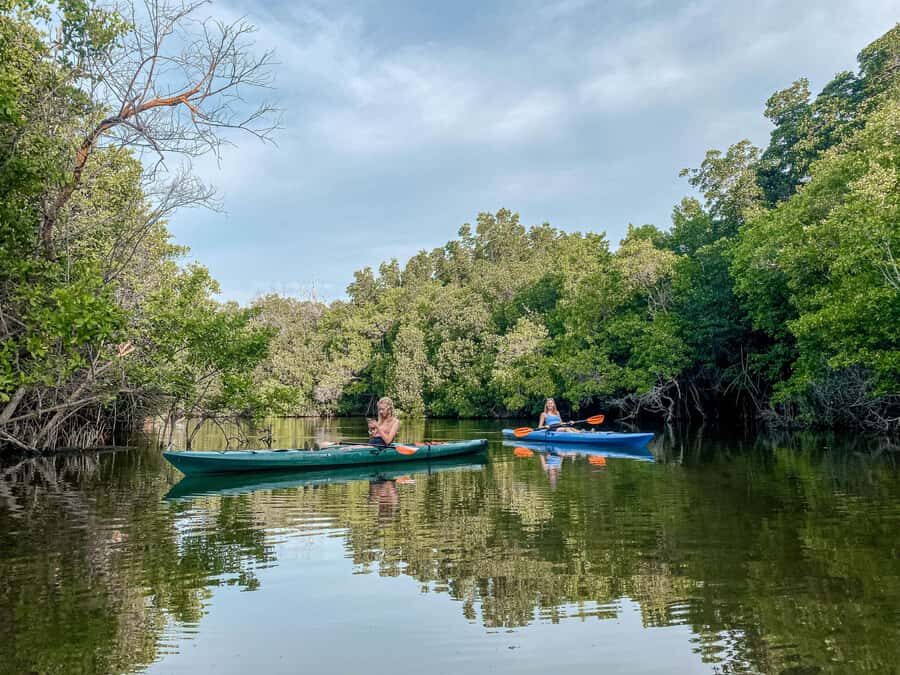
- Al Thakira mangroves: guided walkthrough with birdwatching opportunities in a calmer setting
- Purple Island viewpoints: quick stops that are all about photos and coastal perspective
- Al Khor harbor visit: fishing-town sights and a guided look at ship repair and daily life
- Jumail Abandoned Village: a short, guided stop that adds atmosphere and historical context
- Hotel pickup and tea/water: makes a short day trip actually feel convenient
North Qatar: why it’s a real change of pace from Doha

Doha can be loud in a good way, but it’s also easy to repeat the same kind of sights. This trip gives you the opposite rhythm: drive north, trade city views for sea air, and spend time around places that feel older than your phone’s camera roll.
What I find appealing is that the route covers several Qatar “faces” without asking you for a full day. You’ll see a working harbor area at Al Khor, then shift to mangroves where the goal is quiet observation. After that, the day pivots again into history at Al Zubara Fort and a small detour to Jumail Abandoned Village. That back-and-forth is what makes it memorable—your brain keeps switching gears, and you end up seeing more than one version of the country.
This is also the kind of tour that works best when you go in with a light, curious mindset. You don’t need to be a history buff. You just need to enjoy good questions and looking closely.
You can also read our reviews of more tours and experiences in Doha.



Getting picked up and getting oriented in Al Khor
The day begins in Doha with pickup, then a drive north by Jeep/SUV (about 45 minutes). Before you even reach the “big sights,” you get a harbor stop at Al Khor that helps you get oriented.
In Al Khor, expect:
- a photo stop
- a guided tour
- some walking and scenic viewpoints
- time to look at the harbor feel, including the fishing industry side of town
What makes this useful is context. When your guide points out ship repairing and daily seaside activity, it stops being random “old buildings near the water” and starts to feel like Qatar’s working geography—where people rely on the coast for livelihoods.
Practical note: this is a short stop (around 25 minutes). So I’d come ready to snap photos quickly, then listen for the details you’ll carry later when you reach fortifications and defense sites further up the route.
Purple Island: quick photos, real coastal mood
Next comes Purple Island, with about 30 minutes built in. It’s a photo stop with sightseeing and scenic drives on the way, so it’s not a long beach day. Think of it as a visual palate cleanser: water, coastline perspective, and a chance to photograph from vantage points before you move into the more structured history portions.
When a stop is brief like this, your best strategy is to:
- bring your camera charged and within reach
- take a first round of shots immediately
- then slow down for one or two angles your guide suggests
Also, don’t plan to perfectly “solve” the visuals in one go. Coastal colors and lighting can change quickly, and Qatar’s weather can make shade and glare matter. If you’re serious about photos, that first set plus one later attempt works better than one rushed burst.
UNESCO Al Zubara Fort: coastal defense that you can actually picture
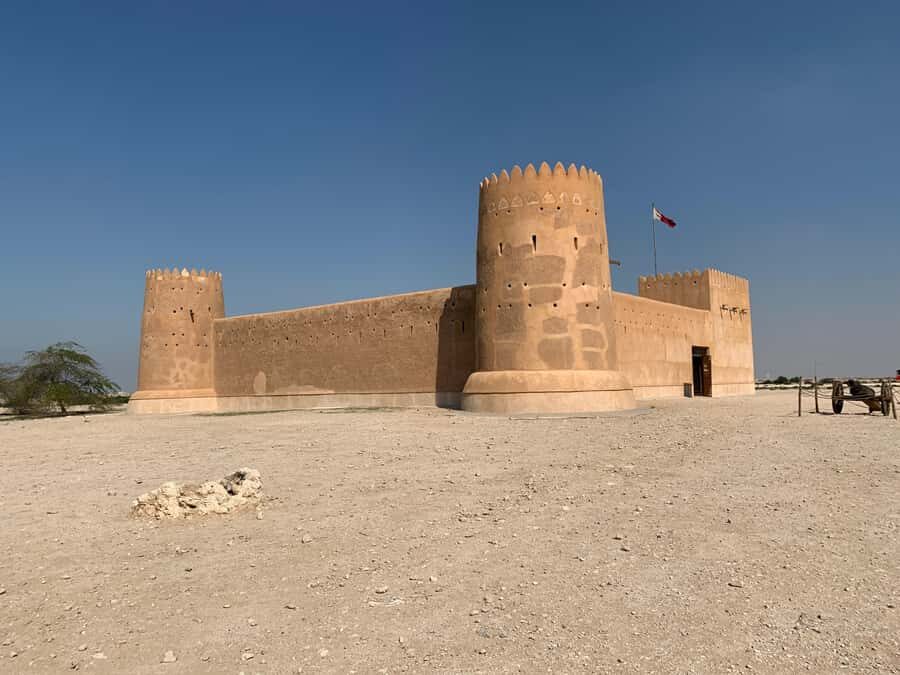
The centerpiece is Al Zubara Fort, a 20th-century archaeological marvel and a UNESCO World Heritage site. You’ll get about an hour here, including a guided visit, time to wander, and breaks for photos and soaking in the area.
What makes this fort stop especially worthwhile is how it connects architecture to purpose. You’re not just looking at walls and exhibits. The guide’s job is to show you the logic behind the layout—how it served as coastal defense, and how the site preserves the feel of Arab fort architecture.
Inside the experience, you can expect:
- a guided tour through fort features and exhibits
- a chance to explore on your own for a bit (free time)
- walking around the site for better viewpoints
If you like history that’s visual—not just dates—this is a strong stop. You can stand where defenders would have watched the coast and understand why visibility and access mattered.
One small reality check: an hour goes fast. If you want to photograph details (doorways, textures, exhibit info), arrive mentally ready to prioritize. I’d spend the first part following the guide, then use the free time for the shots you care about most.
Al Thakira mangroves: birdwatching with room to breathe
Between the heritage stops, the tour includes Al Thakira mangroves with a guided mangrove tour and birdwatching opportunities. This portion is where the pace changes again—less “look at a site,” more “listen and watch.”
Even if you’ve never done birdwatching, this is described as suitable for beginners. The guide helps you spot what’s around you, and you’ll spend time walking through the habitat. It’s also practical to note the tour warns there’s a chance you’ll get wet. With that in mind, wear comfortable clothes you don’t mind having a little moisture on.
What I like about this mangrove stop is that it breaks the usual pattern of Middle East touring, where everything is about stone and sun. Here, the focus is living nature. You’re in a calm environment, and the experience rewards patience: the birds may not appear on a schedule, but the habitat is the point.
Two rules to keep it smooth:
- don’t touch plants (they explicitly say touching plants is not allowed)
- bring insect repellent and wear clothes that don’t feel too fragile
And if you’re traveling as a family, this is often the part that helps kids stay engaged without feeling like the whole day is lectures.




Jumail Abandoned Village: quiet atmosphere, short and guided
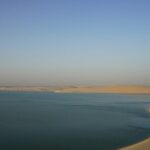
The final cultural stop is Jumail Abandoned Village, with about 30 minutes. Like the other sites, you’ll get a guided tour plus sightseeing and walking, along with a photo stop and break time.
This isn’t meant to be a long stop. It’s designed to give you atmosphere and a sense of how people lived there before the area became quiet. The value here is the guided framing—without it, “abandoned” can feel like just empty structures. With a guide, it becomes a story about traditional past life and how the coastline and settlements related.
If you’re the type who likes to take in small details, 30 minutes can still be enough if you focus on what your guide points out. If you want deeper exploration, you’ll probably leave wishing you had more time—but that’s often the tradeoff with a half-day loop that also includes mangroves and multiple viewpoints.
Time and logistics: 4 hours that actually feel doable
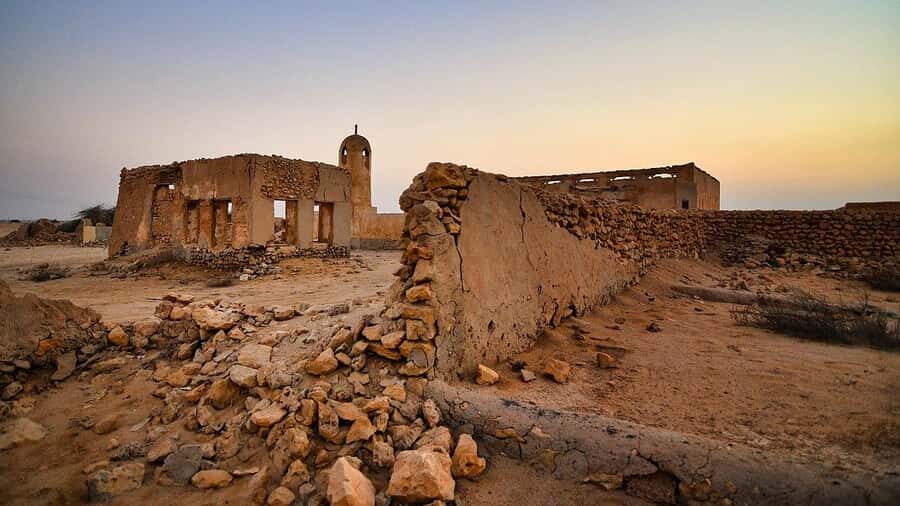
This is a 4-hour tour with hotel pickup and drop-off, plus a schedule built for quick hits rather than long museum-level exploration. Total time matters here. You’re not going to live in Al Zubara Fort; you’re going to get the core experience and a chance to breathe afterward at the mangroves.
The drive times are part of the day’s character. The route uses an air-conditioned vehicle and includes stops along the coast. The upside: you don’t need to rent a car or do navigation yourself, which is a big deal when you’re trying to see north Qatar efficiently.
The downside is also simple: if you’re someone who wants to linger, this may feel short. The stop durations reflect that it’s built for a wide range of travelers, including people who just want a clean, guided snapshot.
Still, for the price and included guide time, it’s a practical way to experience “a lot” without making your day overly heavy.
Price value: what $40 buys you (and what it doesn’t)
At $40 per person for a 4-hour guided loop, you’re paying for a package: pickup/drop-off, transportation by air-conditioned car, a guide, water and tea, a guided mangrove tour with birdwatching opportunities, and visits to Purple Island plus the main heritage sites.
What that means for your value calculation:
- You’re not paying separately for guiding at multiple stops.
- You’re getting time saved by pickup and a planned route.
- You’re getting two distinct environments—fort and mangroves—within the same ticket.
What’s not included is meals. Since lunch or dinner isn’t in the package, I’d plan to eat either before you go or after you return. It also helps to bring a small snack if you’re the type who gets hungry during nature walks, even though the tour includes water and tea.
If you’re traveling solo, a small group, or as a family, this price can be a solid choice because the guide is doing the heavy lifting of pacing, explanations, and making sure you don’t miss the key points.
What to bring and how to stay comfortable
This tour is short, but Qatar weather can still make or break comfort. The suggested packing list is simple and spot-on:
- hat
- camera
- sunscreen
- water
- comfortable clothes
- insect repellent
Also note:
- chance of getting wet on the mangrove portion
- touching plants is not allowed
- the outing is suitable for beginners
If you like a hassle-free day, wear closed-toe shoes for walking, especially for the mangrove habitat where conditions can get damp.
Who should book this North Qatar loop?
This tour fits best if you want:
- a guided day north without arranging separate transport for each stop
- a mix of UNESCO history and nature time
- simple, beginner-friendly birdwatching rather than a hardcore nature expedition
It’s also a strong fit for families, because the day includes variety: harbor scenes, photo stops, fort exploring, then a quieter nature walk.
If you’re someone who needs full-day time to read every exhibit and linger for hours, you might find the schedule a little tight. But if you want the main highlights and a guided narrative, this hits the sweet spot.
One more practical point: the tour is listed as English-language with a live guide, and the feedback often calls out how friendly, professional, and clear guides can be—names like Adil, Anwar, Sajid, and Usman come up for good explanations and smooth pacing.
Should you book this tour?
If you’re staying in Doha and want a north Qatar day that feels efficient but not rushed inside the key sites, I’d say yes—especially if you care about seeing Al Zubara Fort and you also want some nature time at Al Thakira mangroves.
Before you book, do one quick check:
- If you have mobility concerns, confirm whether the route at the sites will work for you, because the data lists both wheelchair accessibility and that it’s not suitable for mobility impairments.
- Plan for a bit of dampness during the mangrove part, and dress for walking.
If you tick those boxes, this $40, 4-hour format is a practical way to experience more of Qatar’s north—forts, coastal viewpoints, and mangroves—without spending your whole day coordinating.
FAQ
How long is the North Qatar tour?
It lasts about 4 hours.
Where does the tour start?
Pickup is available from Doha (and also optional pickup through hotels and airports).
What stops are included?
You’ll visit Al Khor, Purple Island, Al Zubara Fort, Jumail Abandoned Village, and you’ll also go to Al Thakira mangroves with a guided tour.
Is birdwatching included?
Yes. The tour includes birdwatching opportunities as part of the mangrove experience.
Are meals included in the price?
No meals are included. Water and tea are included.
What should I bring?
Bring a hat, camera, sunscreen, water, comfortable clothes, and insect repellent.
Will I get wet during the tour?
There’s a chance you’ll get wet, especially during the mangrove portion.
Are touching plants allowed?
No. Touching plants is not allowed.
Is the tour suitable for people with mobility impairments?
The info lists wheelchair accessible, but it also says it is not suitable for people with mobility impairments. Check with the provider to make sure it works for your needs.
You Might Also Enjoy



More Tours in Doha


More Tour Reviews in Doha
- Qatar Gold Dune Safari, Dune Bashing,Camel Ride,Sand Boarding,Inland Sea Desert
★ 5.0 · 2,807 reviews