REVIEW · DOHA
West Of Qatar, Mushroom Rocks, Camel Racing Track, Richard Serra
Book on Viator →Operated by Al Annabi Tourism · Bookable on Viator
Desert speed meets modern art. In one outing, you’ll take in the Al Shahaniya Camel Racing Track and the surreal geometry of Richard Serra’s East-West/West-East sculpture, plus the otherworldly Mushroom Rocks in the western desert.
I like how this tour packs culture, sport, and art into a short window, with admission built in. The one drawback to plan around is that timing can feel tight and the order can shift, so double-check meeting details and keep expectations flexible.
In This Review
- Key highlights worth your attention
- West Of Qatar: 3–4 hours, $66, and what that buys you
- Al Shahaniya Camel Racing Track: Qatar’s racing tradition in motion
- Zekreet Fort ruins and Mushroom Rocks: faroush stones and surreal sand geometry
- Richard Serra in Doha’s desert: East-West/West-East and how to see it
- A guide can make it feel personal: culture notes and better photos
- Timing, desert light, and why the route stays short
- Private tour style: you’ll move as one group
- Should you book West Of Qatar with Al Annabi Tourism?
- FAQ
- How long is the West Of Qatar experience?
- How much does the tour cost?
- Is pickup offered?
- Is this a private tour?
- Do I need separate admission tickets?
- What stops are included in the tour?
- Do I get a mobile ticket?
- How far in advance is the tour commonly booked?
- What happens if the weather is poor?
- When can I cancel for a full refund?
Key highlights worth your attention
- Al Shahaniya Camel Racing Track: a front-row feel for Qatar’s racing tradition, including training pairs of young and experienced camels
- Mushroom Rocks: wind-and-sand sculpted sandstone that makes the desert look almost staged
- Zekreet Fort ruins: faroush stones (beach rocks) used for defense, with a rectangular plan and later corner towers
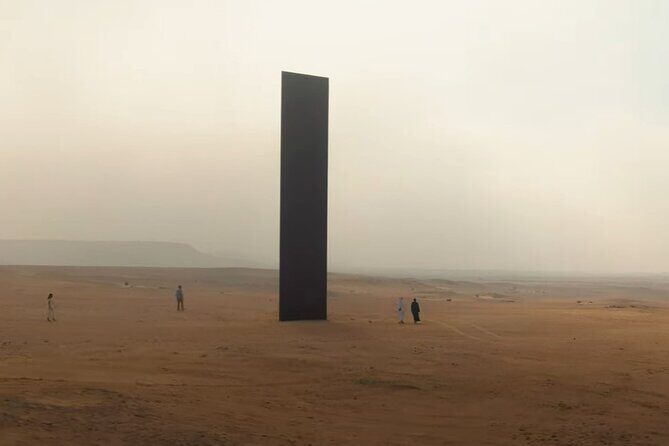
- Richard Serra’s East-West/West-East: massive weathered steel work placed for real-world viewing, not museum viewing
- Short, focused stops: you get highlights fast in about 3 to 4 hours
- A guide can change the vibe: culture notes and even helpful photo tips from guides (including one named Hamood)
West Of Qatar: 3–4 hours, $66, and what that buys you
This is a compact West Qatar circuit priced at $66 per person for about 3 to 4 hours. For Doha, that’s a good match if you want a real change of scenery without turning the day into a logistics project.
What makes it feel like decent value is the structure: the stops are short, and admission is included at each major stop on the route. That matters because places like racing venues, forts/ruins, and public art sites can otherwise turn into a scattered add-on cost.
One more practical note: your booking is typically made around 42 days ahead on average. That’s not a must-do, but it suggests this is popular enough that planning early can save you hassle—especially if you’re traveling during pleasant weather windows.
You can also read our reviews of more tours and experiences in Doha.


Al Shahaniya Camel Racing Track: Qatar’s racing tradition in motion
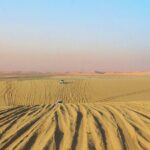
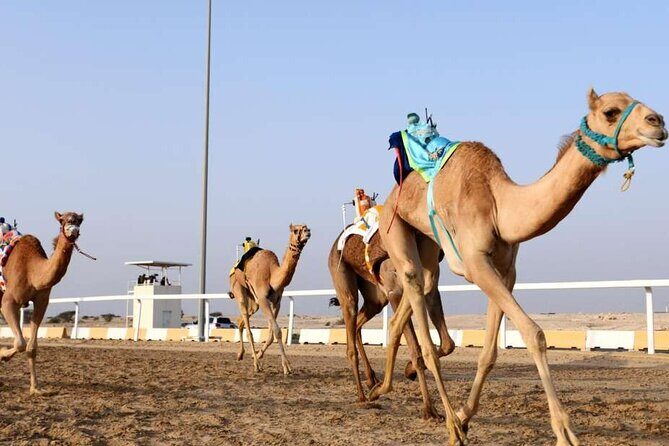
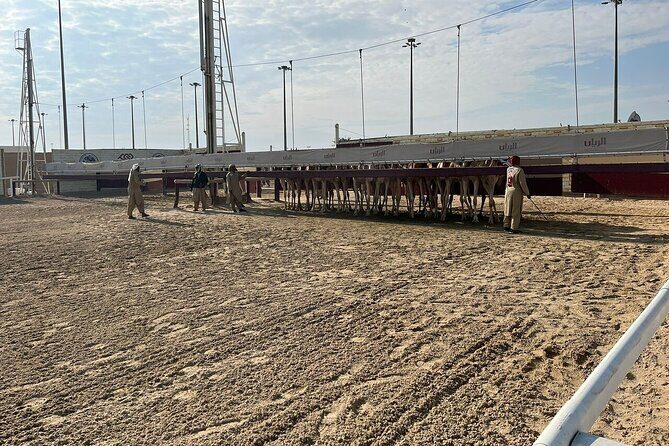
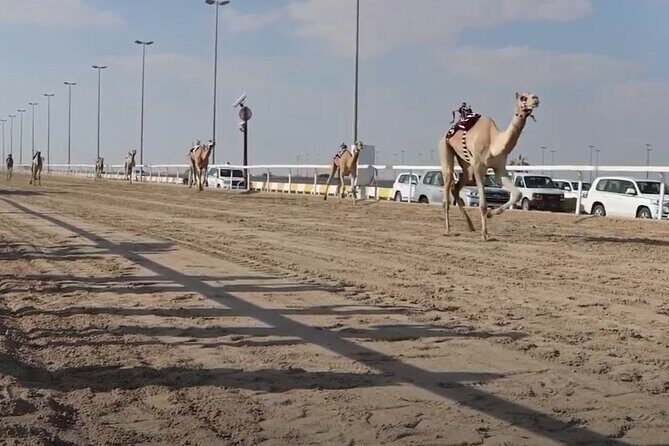
Your first stop is Al Shahaniya Racetrack, about an hour northwest of Doha. This is the place where camel racing isn’t just a spectator sport—it’s a working tradition.
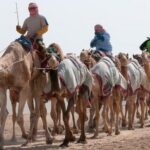
The racing history goes back to 1973, when Qatar held the first professional camel races with 300 participating camels. Today, the track hosts domestic and international tournaments. Even if you’re not there during a full race day, you may still see activity tied to the sport, including young camels paired with more experienced ones as part of training.
Why this stop is worth your time: camel racing has a specific rhythm that you feel more than you read about. The camels move with a kind of calm intensity, and the whole scene teaches you what Qatar means by preparation and partnership—especially when you spot different experience levels being trained together.
The big tradeoff is time. Your admission window here is only about 30 minutes. That can be perfect if you want the essentials and a few photos, but if you’re a camel-racing superfan, you’ll probably wish you had more time to linger. I’d treat it like a strong first taste, not a long grandstand experience.
Zekreet Fort ruins and Mushroom Rocks: faroush stones and surreal sand geometry
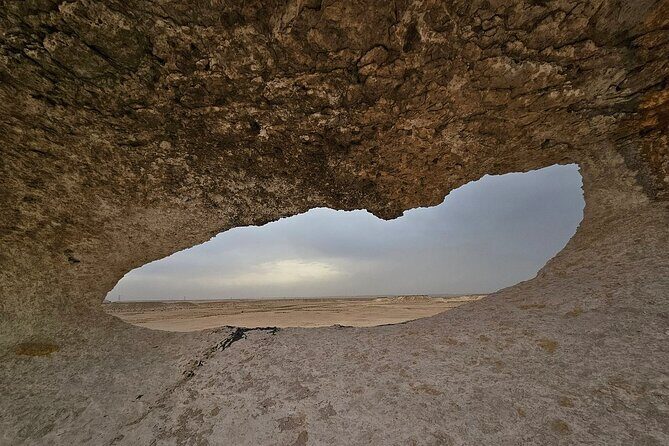
After the racing track, the tour moves into the Zekreet area—where defense-era stones and wind-carved rock formations sit side by side.
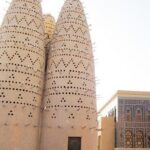
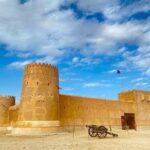
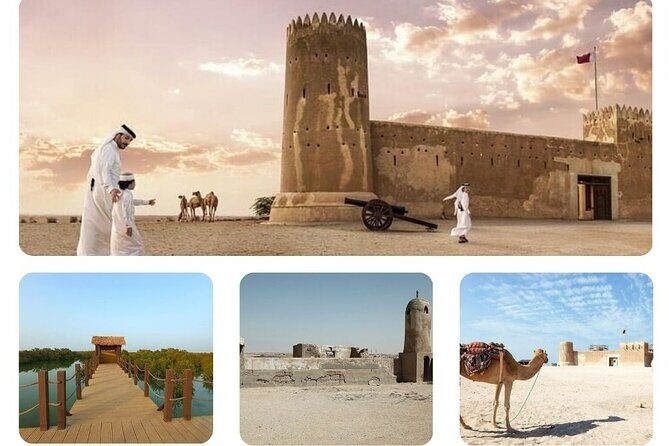
At Zekreet Fort Ruins, the fort was built for defense, using faroush stones, meaning beach rocks. The layout followed a rectangular plan, and towers were added later at the four corners to strengthen the structure. Even if you’re not a ruins-by-ruins person, this is a neat way to see how geography and materials shaped how people built for survival.
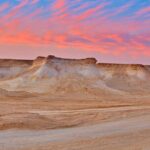
Then there’s the Mushroom Rocks. These are sandstone formations sculpted over millennia by wind and sand. From a distance they can look like huge mushroom tops rising out of the desert floor, and up close you start to notice how the desert has edited the rock into something almost impossible.
This is one of those stops where your brain needs a moment to accept what you’re seeing. That’s also why it works well paired with the fort ruins: you go from human structure meant to last, to natural shapes meant to erode. One feels planned; the other feels accidental.
The practical consideration: this part of the route is about 45 minutes for admission at the fort ruins. That’s enough time to take in the setting and get a few photos, but not enough to “slow walk” and fully chase every angle. If you like photography, give yourself a quick plan: one wide view first, then switch to details once you find a good shadow angle.
Richard Serra in Doha’s desert: East-West/West-East and how to see it
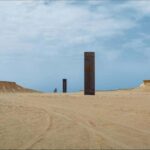
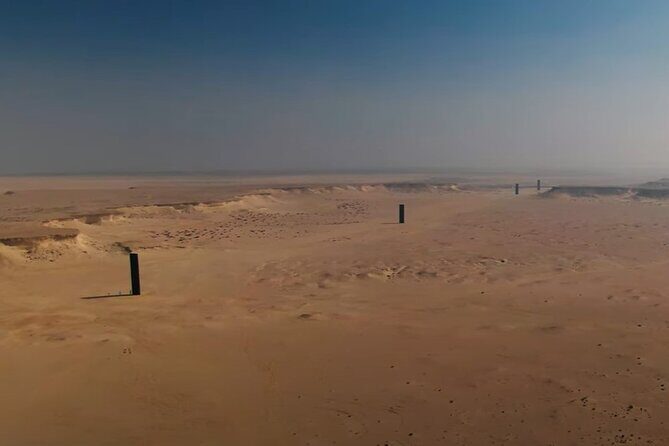
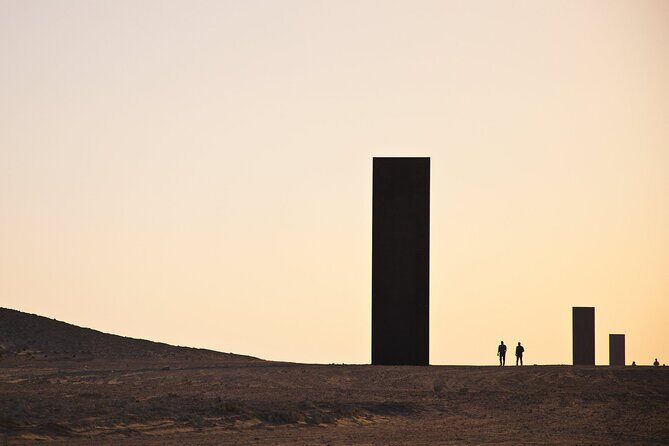
The final major stop is Richard Serra’s East-West / West-East sculpture in the desert. This is not a statue you just look at. It’s sculpture placed in real space, with real distance, and it changes as you change where you stand.
Serra’s idea with this kind of public art is to move sculpture off a pedestal and into everyday viewing. He also ties the meaning to interaction: visitors are part of how the work comes alive. The artist can’t predetermine what people will make of it, which is why you shouldn’t rush your first impression.
What you’ll likely notice first is the scale. The steel pieces are massive and weathered, and they create a visual contrast against the open desert. The desert gives you space; the steel gives you weight. Stand in one spot and it reads one way. Walk a few steps and it feels different—like the sculpture is quietly negotiating with the horizon.
Your time here is about 45 minutes. That’s a good window because Serra-style works reward patience. Spend a few minutes letting your eyes adjust, then do a second pass with deliberate viewing: move left, move right, then check how the horizon line and shadows reshape the steel.
A guide can make it feel personal: culture notes and better photos
The tour runs with a guide, and the tone you get can matter a lot on short outings. In particular, guides may provide helpful cultural context, plus practical photo tips.
One guide named Hamood is specifically praised for knowing culture and history, being kind and friendly, and taking good pictures. If you’re the type of person who wants your photos to look like you know what you’re doing, that kind of support is a real value-add.
There’s also a caution worth taking seriously. In one unhappy experience, the guide didn’t meet the group at the hotel reception, which caused delays and frustration. Another issue in that same situation was that the itinerary order changed, with Serra visited first.
So here’s my advice: when you confirm your pickup or meeting point, write it down, and plan to be ready a little early. And if the stop order shifts on the day, treat it as a sequencing change—not a problem. The main sites are the main sites.



Timing, desert light, and why the route stays short
This tour is designed for a 3 to 4 hour window. That’s the right length for West Qatar if you’re balancing it with Doha plans like Souq time or a museum visit.
It also helps that the experience requires good weather. If conditions aren’t right, you’ll be offered another date or a full refund. That’s not a small detail: desert heat and wind can change how comfortable the trip feels, and how enjoyable the photos come out.
One more timing detail: some outings may feel like they run a bit short rather than to the minute. If that happens, it can create extra breathing room for photos or lingering at the sculpture or rocks. That said, don’t bank on it. Plan mentally as if you’ll stay within the planned stop windows.
Private tour style: you’ll move as one group
This is listed as a private tour/activity, meaning only your group participates. That matters for two reasons.
First, it makes the experience feel less rushed in a subtle way. You’re not constantly negotiating for space with strangers as you shift between sites. Second, it gives your guide more flexibility to tailor quick explanations and adjust pacing if you’re moving fast for photos or if you prefer more time at one stop.
If you’re traveling with kids or you want the least amount of waiting around, a private format is usually worth it. It also works nicely for couples and small groups who want a photo-friendly pace without turning it into a full-day expedition.
Should you book West Of Qatar with Al Annabi Tourism?
Book it if:
- You want a short West Qatar hit that combines camel racing, desert rock shapes, and major public art
- You like when admission is included and the itinerary is focused rather than endless driving
- Richard Serra’s work interests you, and you enjoy seeing art in unusual settings
Skip or rethink it if:
- You’re expecting a long, full grandstand camel racing day. The racing-track time is about 30 minutes.
- You’re extremely strict about fixed order and fixed pickup success. The tour can be flexible, and you should confirm meeting details to avoid stress.
My bottom line: this is a strong “do it once” Doha-region outing. The best payoff comes from setting your expectations as a sampler—camel racing, wind-shaped rocks, and Serra’s steel in open desert space—rather than a slow, deep, all-day exploration.
If you want, tell me your travel dates and whether you’ll prioritize camel time or the art. I can help you decide the best way to fit it into a Doha day.
FAQ
How long is the West Of Qatar experience?
It lasts about 3 to 4 hours.
How much does the tour cost?
The price is $66.00 per person.
Is pickup offered?
Yes, pickup is offered.
Is this a private tour?
Yes. Only your group will participate.
Do I need separate admission tickets?
Admission tickets are included for the stops listed in the itinerary.
What stops are included in the tour?
You’ll visit Al Shahaniya Camel Racing Track, Zekreet Fort Ruins, and Richard Serra’s East-West / West-East sculpture. The experience also includes Mushroom Rocks as part of the overall journey.
Do I get a mobile ticket?
Yes, the tour uses a mobile ticket.
How far in advance is the tour commonly booked?
On average, it’s booked about 42 days in advance.
What happens if the weather is poor?
If it’s canceled due to poor weather, you’ll be offered a different date or a full refund.
When can I cancel for a full refund?
You can cancel up to 24 hours in advance for a full refund.
You Might Also Enjoy
More Tour Reviews in Doha
- Qatar Gold Dune Safari, Dune Bashing,Camel Ride,Sand Boarding,Inland Sea Desert
★ 5.0 · 2,807 reviews