REVIEW · DOHA
Doha: North Qatar Zubara Fort, Jumail Village, Purple Island
Book on GetYourGuide →Operated by Golden Adventure Qatar · Bookable on GetYourGuide
North Qatar turns a normal day into time travel. I love how Zubarah Fort becomes a museum-style look at Qatar’s past, and I also like that you get out to Al-Thakira mangroves for a calmer change of pace.
The only catch: it’s a packed day, so you’ll spend plenty of time in the vehicle between stops. If you’re heat-sensitive or easily tired by road time, plan to go slow on the ground and hydrate early.
In This Review
- Key highlights at a glance
- North Qatar From Doha: Why This Circuit Works
- Entering Zubarah Fort: The UNESCO Site With Thick-Wall Realism
- Al Khor Harbour: Where the Coast Tells the Pearl-and-Fishing Story
- Al-Thakira Mangroves: A Slower Walk in One of Qatar’s Oldest Forests
- Al Jumail Village: Desert History You Can Sense in the Details
- Sand Boarding and Camel Ride: The Desert Finish That Keeps It Fun
- Guides and Timing: Why the Right Host Can Make the Day
- Price and Value: Is $47 Worth It for North Qatar?
- Who Should Book This Tour (and Who Might Skip It)
- Should You Book This North Qatar Fort, Harbour, Mangroves, and Desert Tour?
- FAQ
- Where is the tour located?
- What’s the price per person?
- What’s included in the tour?
- What sites do you visit during the day?
- Is there sand boarding and a camel ride?
- Do you get a guide, and what languages are available?
- Is bottled water provided?
- What if my plans change?
- Is there an option to pay later?
Key highlights at a glance
- Zubarah Fort + UNESCO context: a museum inside a true fort with thick walls and cool-room design
- Al Khor Harbour: see the working coastline tied to the country’s old pearl and fishing era, plus old ship-repair yards
- Al-Thakira mangroves: Qatar’s old and large mangrove forest for a quieter, nature-focused pause
- Al Jumail (abandoned village): a traditional Qatari village atmosphere, including shoreline “finds” some guides help you collect and clean
- Sand boarding + camel ride: classic desert add-ons after the history-heavy stops
North Qatar From Doha: Why This Circuit Works
If you want North Qatar to feel like one story instead of random photo stops, this tour format makes sense. You start with fort-and-archaeology history, then shift to the coast, then slow down in mangroves, and finish with a desert-style experience.
The value here is in the pacing between very different places. Zubarah gives you the heritage “why,” Al Khor shows the “how people lived,” and the mangroves add a breather before you go for sand boarding and a camel ride.
You’re also not stuck trying to navigate on your own. Pickup and drop-off are part of the package, and you travel by air-conditioned vehicle—big comfort in Qatar, even on days when the weather looks mild.
You can also read our reviews of more tours and experiences in Doha.



Entering Zubarah Fort: The UNESCO Site With Thick-Wall Realism
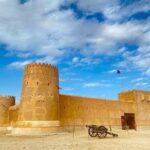
Zubarah Fort is the tour’s anchor, and it earns it. The fort is part of the Al Zubarah UNESCO World Heritage Site, known for the remains of an older town and fort. The fort you visit is 20th-century and described as the youngest and most prominent feature in the site complex.
Here’s what I like about it: it isn’t just ruins from a distance. The fort has been turned into a museum, with exhibits and artworks and a focus on archaeological findings relevant to today’s thinking about the past. You can walk through spaces built for real military-era needs and then connect those spaces to what the site represents.
The fort design also matters. It’s described as a typical Arab fort with about one-meter-thick walls, which were meant to help keep rooms cooler in the heat. That detail changes how you experience the architecture—suddenly it’s not just “old stone,” it’s engineering.
And if you’re into historical themes, the UNESCO recognition ties to preservation and the way the fort represents a formative period. The site also offers a look at military life in Qatar during the 18th and 19th centuries, which makes this stop more grounded than a generic history museum.
One practical consideration: because it’s a museum inside a fort structure, you may want comfortable shoes and a light layer. You’ll be moving around enough that footwear matters.
Al Khor Harbour: Where the Coast Tells the Pearl-and-Fishing Story
After the heritage intensity of Zubarah, the Al Khor Harbour stop feels like a change in volume. It’s described as a picturesque fishing harbour, and it’s tied to the country’s old pearl-diving and fishing era—plus the old ship repairing and renovating yard.
What you’re seeing here is the “work around the water” side of Qatar’s identity. Even if you’re not a maritime-history expert, you’ll likely enjoy watching how towns grow around the sea—boats, repair yards, and the daily rhythm that comes with fishing communities.
This is also a smart way to break up the day. You’re not just repeating “fort, museum, fort.” You’re shifting to a coastal setting with a different kind of visuals and a different feel. It’s easier to take photos here too, because the scene opens up compared with fort interiors.
A guide makes a difference at this stop. People in the group tend to learn quickly once the guide starts connecting today’s harbour layout with the old working coast model. Names like Usman and Tariq come up in this kind of storytelling style, with calm timing and useful context.
Al-Thakira Mangroves: A Slower Walk in One of Qatar’s Oldest Forests
Then comes the pause: Al-Thakira mangroves. This forest is described as among Qatar’s oldest and largest forests, and that instantly explains why the atmosphere feels different from the urban and heritage stops.
Mangroves aren’t just pretty. They support coastal ecosystems, protect shorelines, and shape how life near the water develops. On this tour, they function as a “reset” stop—something you can take slower, look longer, and breathe through before the desert segment.
From a traveler point of view, I like that the mangroves are part of a heritage day trip. A lot of trips do history only. Here, the day changes gears. It’s also a good place to pull away from the strongest sunlight of the middle of the day if your route timing gives you that option.
If you get a guide who brings energy to the outdoors portion, you’ll feel the difference. Abdul Rehman is noted for leading a relaxed walk through the mangroves—exactly what you want when your feet have already done time at forts and archaeological areas.
Practical tip: bring a hat and water. Bottled water is included, but you’ll still appreciate a little personal backup in the heat.
Al Jumail Village: Desert History You Can Sense in the Details
The tour also includes a traditional Qatari village experience: Al Jumail, described as an abandoned traditional Qatari village of Zubarah. This is where the day starts to feel more atmospheric than structured.
The setting is described as charming and very tied to the shoreline and village feeling. One memorable detail from guide behavior: Wadood is described as going down to the water and collecting shells, then washing them with bottled water before giving them to the guest. Even if you don’t collect anything, that kind of thoughtful touch tells you the guide is paying attention to how you experience the place.
You’ll likely enjoy this stop most if you like “small story” history—the kind you piece together from textures, layout, and what’s left behind. It’s not always about big explanations. Sometimes it’s about noticing what remains, then asking why it mattered.
Possible drawback: this stop can feel less formal than the fort museum. If you prefer highly curated indoor exhibits, you might want to spend time asking your guide questions so the village stop doesn’t become only a photo stop.




Sand Boarding and Camel Ride: The Desert Finish That Keeps It Fun
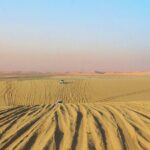
After the historical stops, you get to try sand boarding and enjoy a camel ride. These are classic desert activities, but what matters on this tour is the placement. Doing them after the coast and mangroves makes the day feel like a full North Qatar tour rather than a history day that ends with a token activity.
If you’re new to sand boarding, it’s the kind of activity that can be surprisingly fun even if you’re not athletic. You’ll have a chance to experience desert terrain in a low-stakes way compared with bigger desert excursions.
The camel ride also adds a lived-in feeling. It helps you connect the geography you’ve been seeing all day—fort walls, coastal life, mangrove edges—to the desert world beyond.
A consideration: camel rides and sand activities aren’t for everyone. If you have mobility issues, balance concerns, or just don’t like animal rides, it’s worth thinking through whether you’ll genuinely enjoy this part of the day.
Guides and Timing: Why the Right Host Can Make the Day
One of the strongest recurring themes is the guide quality. You’re with a personal licensed guide, and that shows in how the day flows—especially when timing is calm and flexible.
Different guide styles come through in real-world ways:
- Usman is praised for driving through present-day towns so you see real Qatar, not just distant landmarks.
- Tariq is noted as insightful and helpful, making history feel clear instead of list-like.
- Wadood stood out for practical comfort items: cold water, a fridge, phone charging, and even internet if needed.
- Abdul Rehman is highlighted for storytelling that makes Zubarah Fort feel alive, plus a relaxed mangrove walk.
- Adil and Iqbal are praised for being attentive hosts who help you see a lot without rushing.
I love that these guides don’t just recite facts. The best ones build a story line across stops: coast work leading into fort life, and then desert activity as the final sensory layer.
This matters because the itinerary covers multiple settings in one day. Without a good guide, that can turn into “drive, see, drive again.” With a strong host, it becomes “each stop answers the last one.”
Price and Value: Is $47 Worth It for North Qatar?
At $47 per person, this tour hits an important sweet spot: it’s affordable compared with many private full-day experiences, and it includes key comforts. You get pickup and drop-off, mineral bottled water, and transportation in an air-conditioned vehicle.
Here’s how I evaluate value for a day trip like this:
- Transportation is expensive in time and comfort, especially for North Qatar. Air-conditioning plus pickup/drop-off removes friction.
- Multiple environments in one day (fort museum, harbour, mangroves, village, desert activities) increases the odds you’ll leave with more than just photos.
- A personal licensed guide is the difference-maker. When the guide also provides extra comforts—like Wadood’s phone charging and cold-water setup—that practical support raises perceived value.
The main “value risk” is if you only care about one type of attraction. If your heart is set purely on museums, the desert activities may feel like extra. If you only want nature, the fort stop might feel too structured. But if you like variety, this price feels fair for the mix.
Who Should Book This Tour (and Who Might Skip It)
I’d steer you toward this tour if:
- You want North Qatar beyond Doha, but without DIY logistics.
- You enjoy history you can walk around in, not just read about.
- You like a day that moves from coast to mangroves to desert.
- You appreciate guides who manage timing without pressure.
You might skip or choose something else if:
- You prefer long stops at fewer sites rather than covering many settings in one day.
- You strongly dislike camel riding or sand activities.
- You’re easily worn down by long road time.
Should You Book This North Qatar Fort, Harbour, Mangroves, and Desert Tour?
If you want one solid day that ties together Qatar’s past and present—fort architecture, coastal work, mangrove nature, and a desert finish—this tour is a strong choice. The price is reasonable for the mix, the transport setup is comfortable, and the guide quality is repeatedly praised in practical ways (calm pacing, thoughtful extras, and story-driven explanations).
Book it if you’re the kind of traveler who likes variety and doesn’t mind a full schedule. Skip it if you want a slow, single-site day or if desert animal rides won’t work for you.
FAQ
Where is the tour located?
The tour operates in Madinat ash Shamal, Qatar, covering North Qatar sites including Zubarah Fort and Al Khor Harbour.
What’s the price per person?
The price is $47 per person.
What’s included in the tour?
The tour includes pickup and drop-off, mineral bottled water, and transportation in an air-conditioned vehicle.
What sites do you visit during the day?
You visit Al Zubara Fort (including the UNESCO context), Al Khor Harbour, Al-Thakira mangroves, and the abandoned traditional Qatari village Al Jumail.
Is there sand boarding and a camel ride?
Yes. The tour includes sand boarding and a camel ride.
Do you get a guide, and what languages are available?
You travel with a personal licensed guide. Languages offered are English, Hindi, and Arabic.
Is bottled water provided?
Yes. Mineral bottled water is included.
What if my plans change?
You can cancel up to 24 hours in advance for a full refund.
Is there an option to pay later?
Yes. The tour offers reserve & pay later, so you can book a spot and pay nothing today.
You Might Also Enjoy

More Tour Reviews in Doha
- Qatar Gold Dune Safari, Dune Bashing,Camel Ride,Sand Boarding,Inland Sea Desert
★ 5.0 · 2,807 reviews